In this week’s edition of Trends & Artefacts, we round up the snackable trends, stats and insights from around the world, including:
Smart Carts Boost Basket Size
Cooling Tech Layers Up
Robots Intercept River Plastic
Explainer: destination run club
Dopamine Sites Complete Shopping Ritual
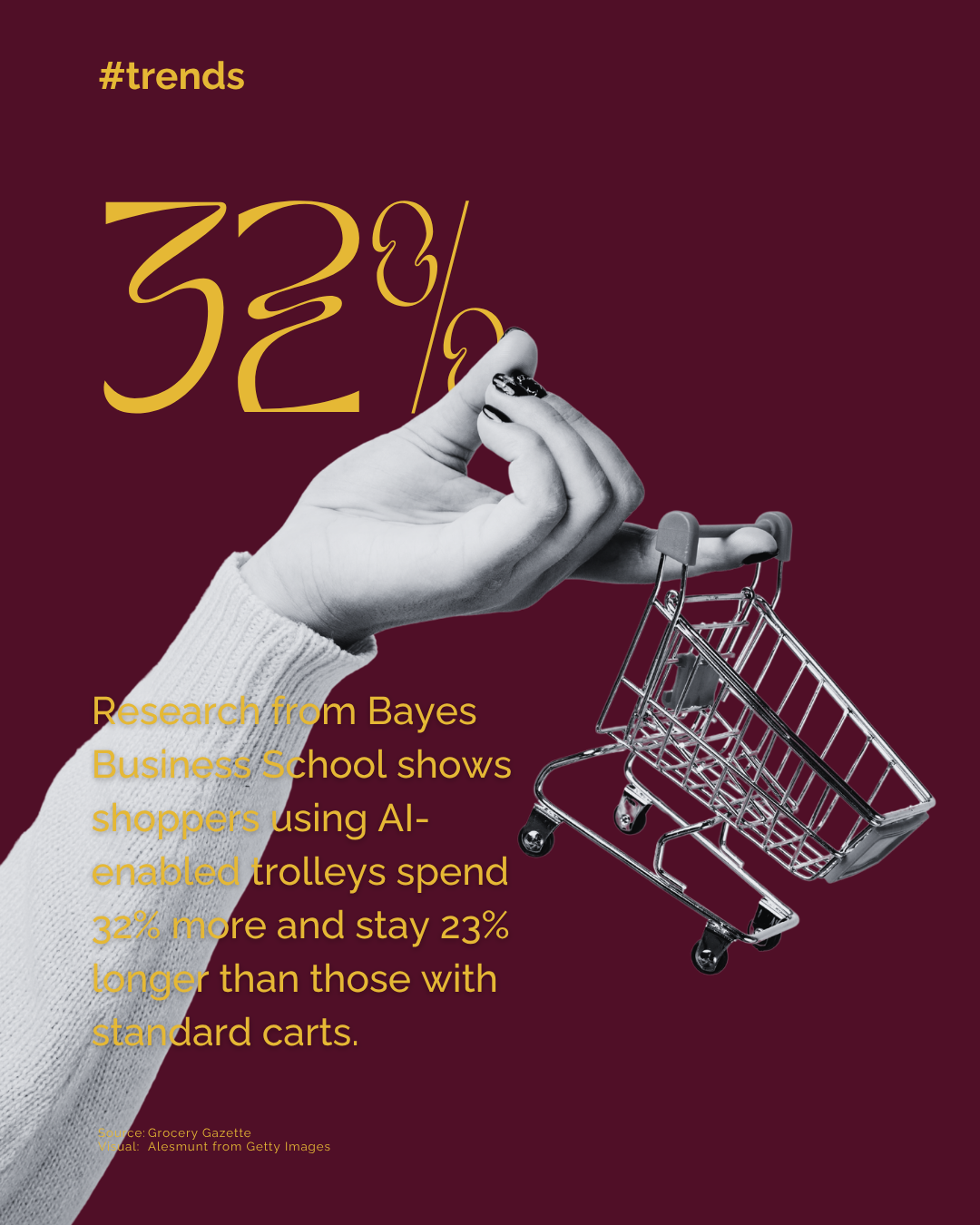
Smart Carts Boost Basket Size
Research from Bayes Business School shows shoppers using AI-enabled trolleys spend 32% more and stay 23% longer than those with standard carts. The handlebar tablets provide navigation and personalised recommendations, turning the shopping journey into a data-rich engagement opportunity. If digital nudges drive impulse buys, where is the line between assistance and manipulation?
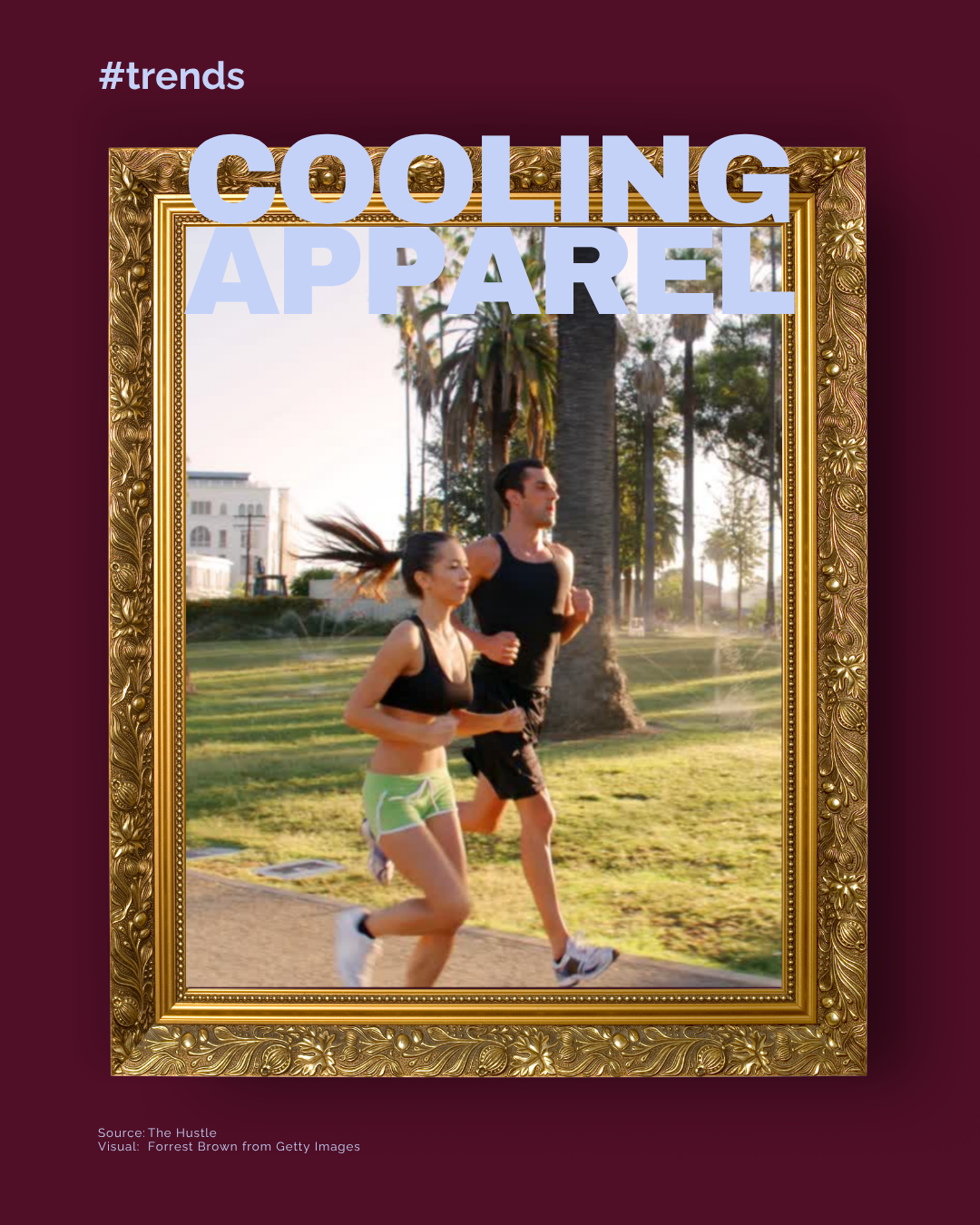
Cooling Tech Layers Up
Activewear and fashion brands are launching active cooling apparel, from ice-filled bandanas to inflatable fan-suits, as climate change makes heat unbearable. This $2bn market bets on engineered textiles over stripping down, offering relief for runners and summer brides alike. If staying cool requires wearing more, how does this reshape the aesthetics of summer style?
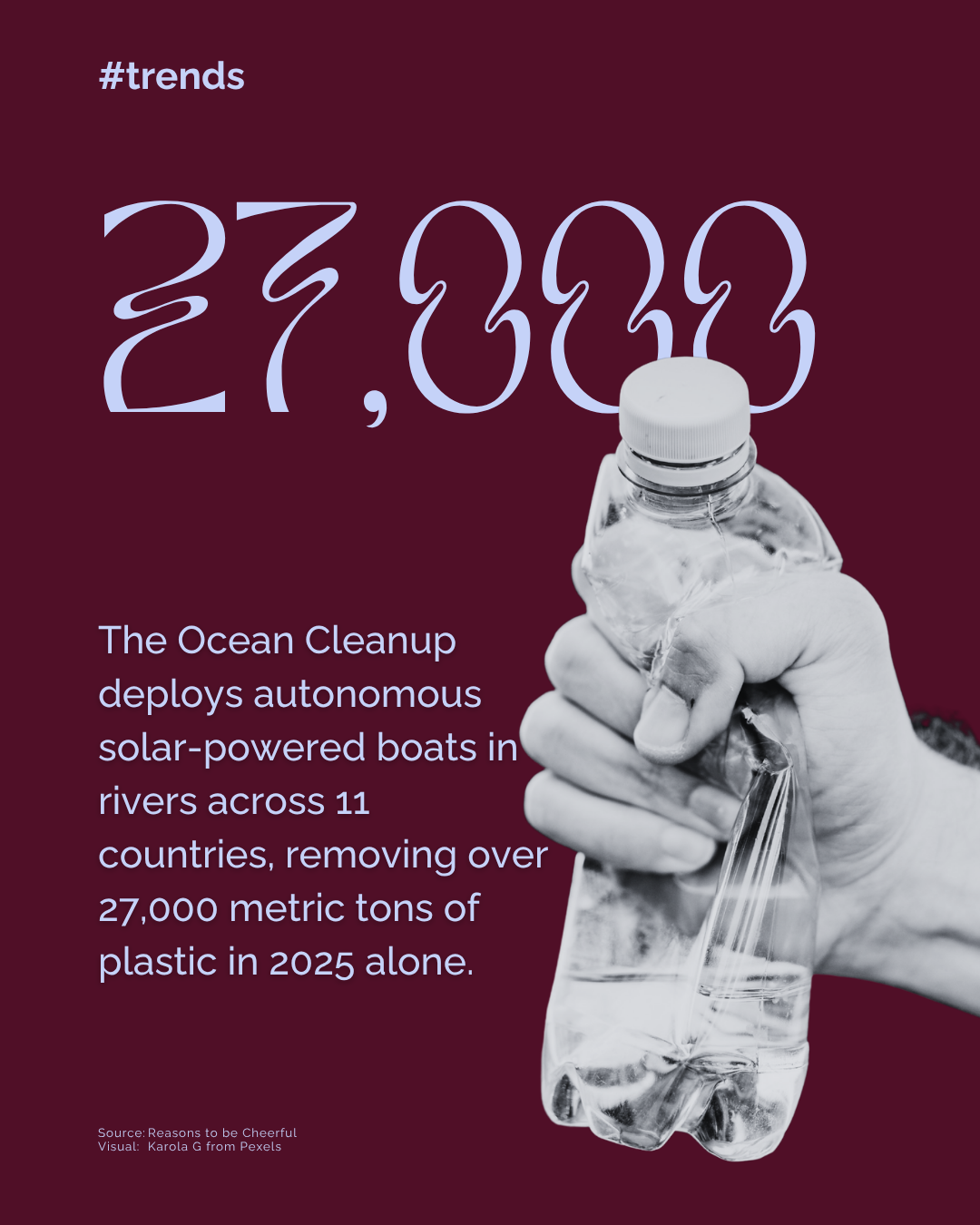
Robots Intercept River Plastic
The Ocean Cleanup deploys autonomous solar-powered boats in rivers across 11 countries, removing over 27,000 metric tons of plastic in 2025 alone. By targeting the 1,000 rivers responsible for 80% of ocean plastic, this tech-led approach aims to stop waste at the source before it reaches the sea. Can engineering solve a crisis that ultimately requires turning off the tap?
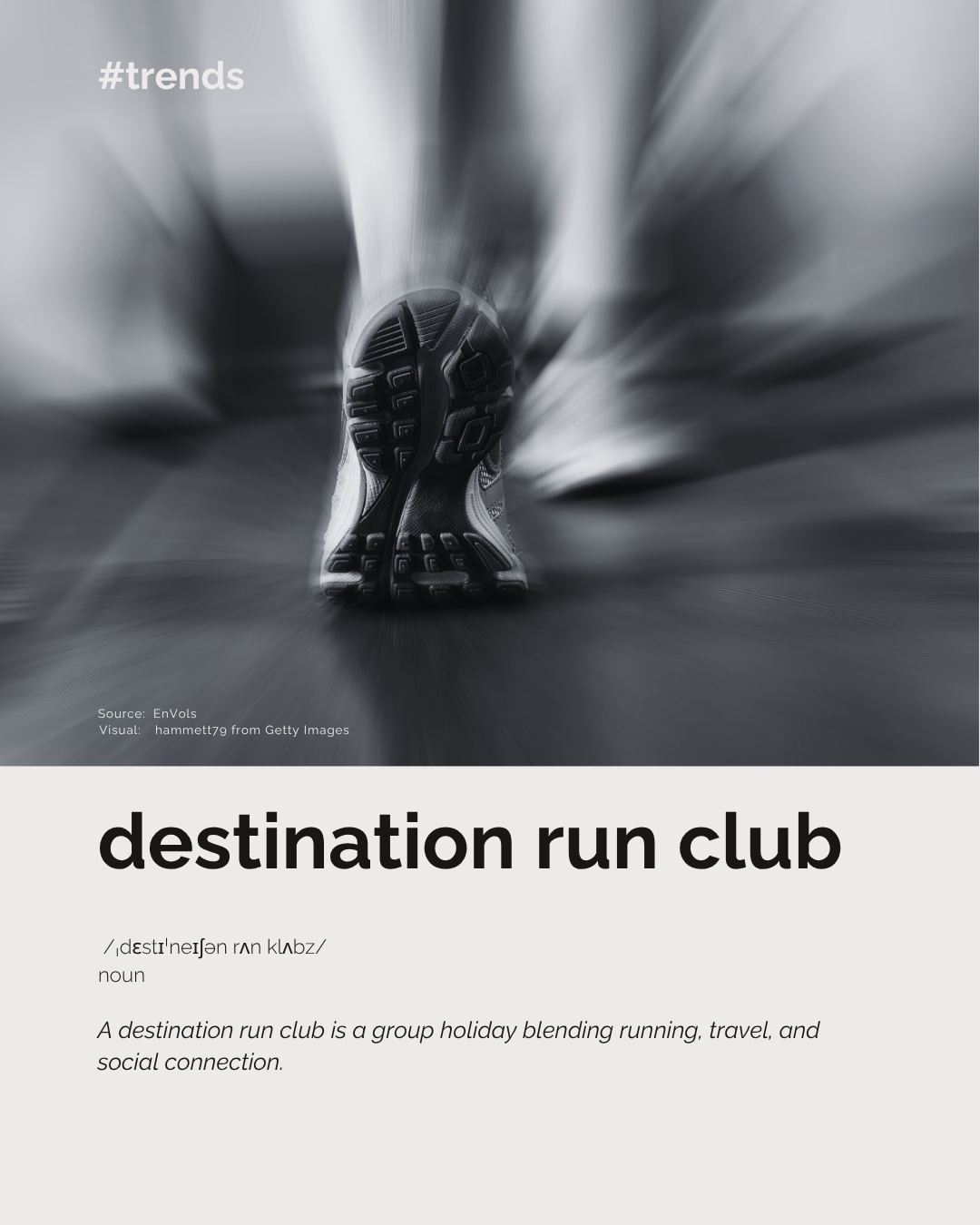
Explainer: destination run club
Destination run clubs are turning jogging into the primary reason for travel, combining group runs with cultural exploration and local dining. This shift moves running from a reluctant morning chore to a social lens for discovering new cities and landscapes. If exercise dictates the itinerary, does travel become less about escape and more about maintenance?
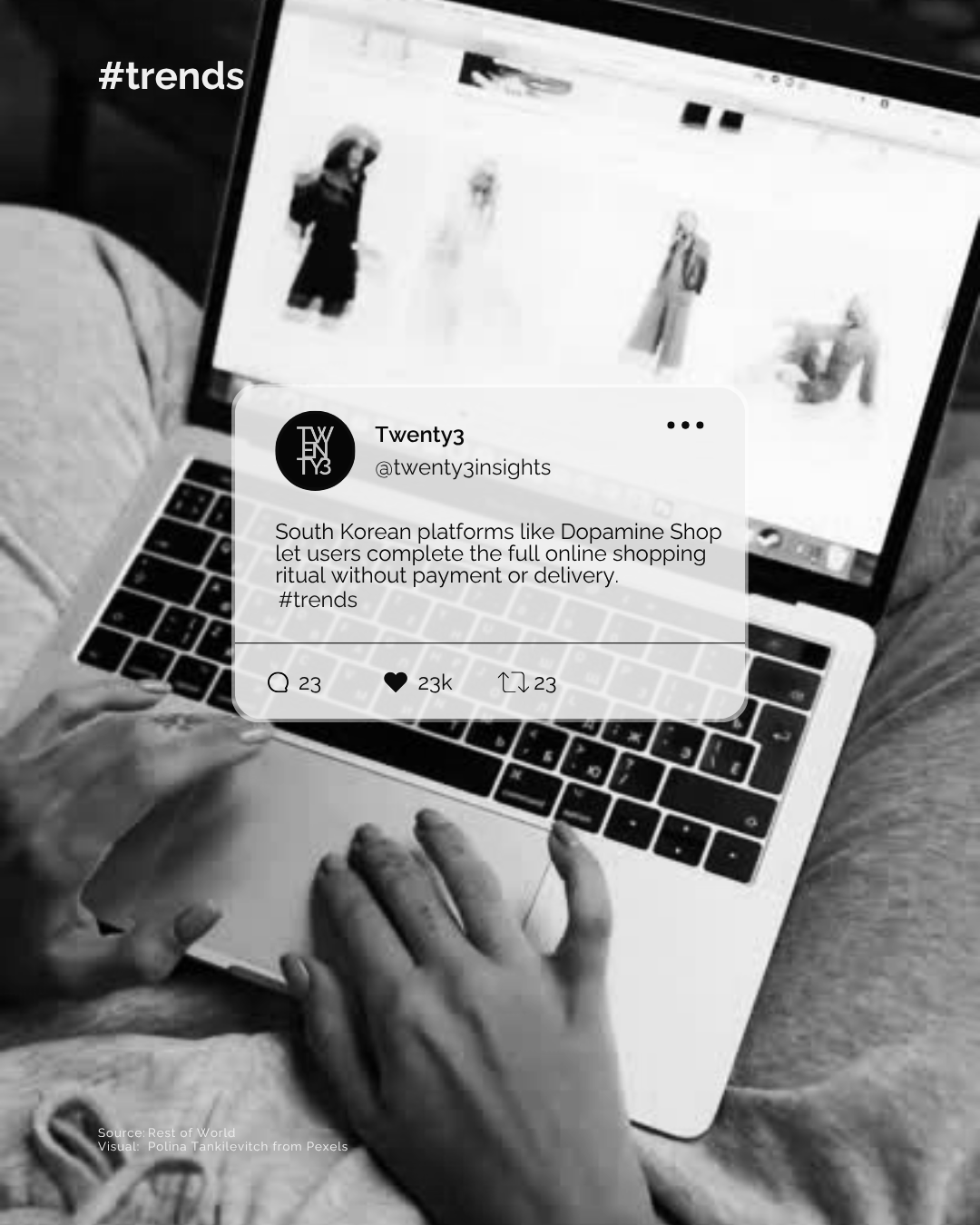
Dopamine Sites Complete Shopping Ritual
South Korean platforms like Dopamine Shop let users complete the full online shopping ritual without payment or delivery. This formalises existing cart-abandonment behaviour, prioritising the psychological rewards of anticipation and curation over actual ownership. If the thrill is in the browse, how does this reshape the value proposition of retail?