Trends & Artefacts: friendslop edition
In this week’s edition of Trends & Artefacts, we round up the snackable trends, stats and insights from around the world, including:
Tinder Pivots From Swiping To In-Person Events
Dutch Bros Turns Customer Hacks Into Menu Items
Tech Brands Now Sell Friction
Explainer: friendslop
Barbershops Become An Investable Asset Class
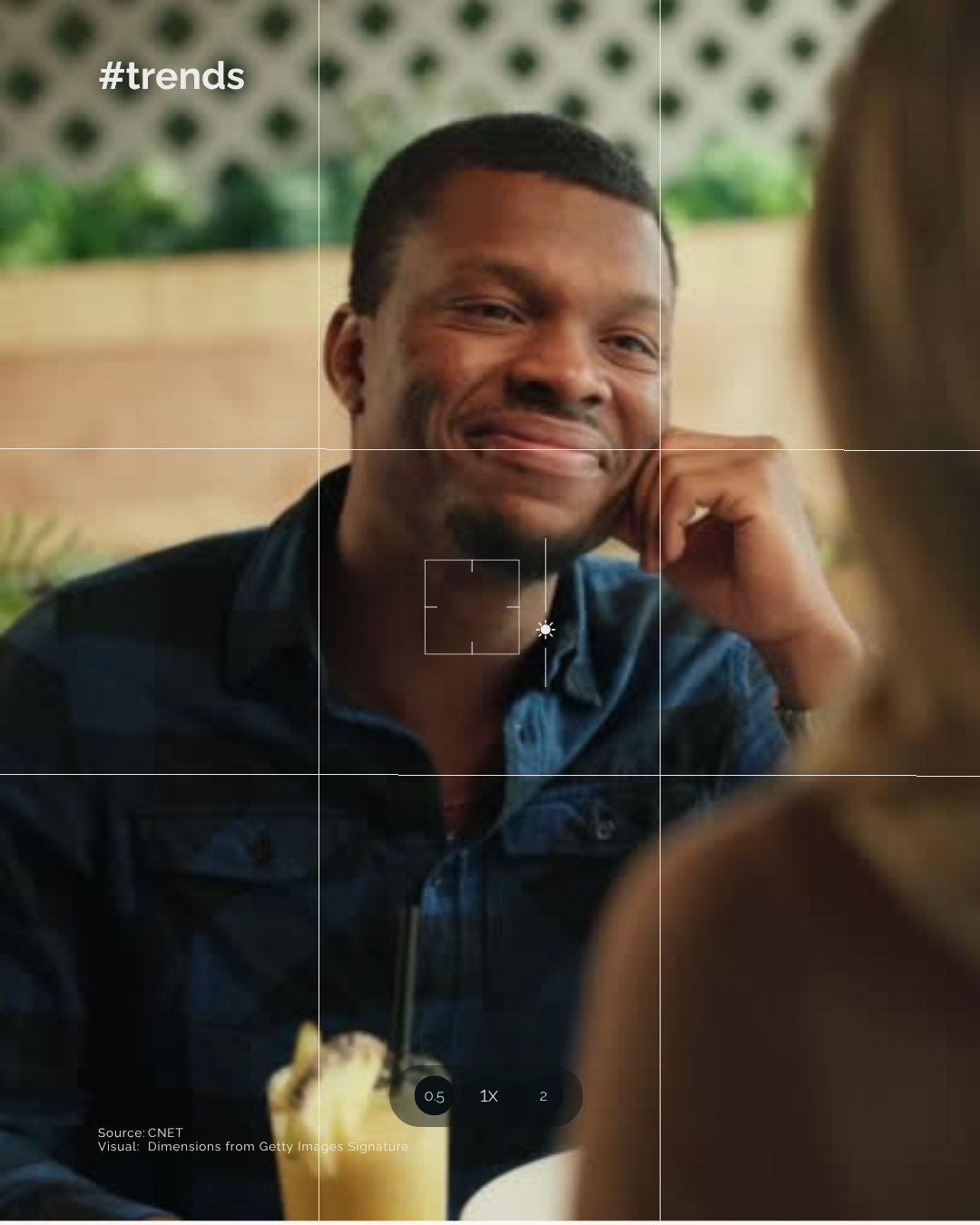
Tinder Pivots From Swiping To In-Person Events
Match Group's CEO says nearly half of singles aged 18-29 want in-person experiences over swiping, prompting Tinder to expand its Events feature in 26 cities: game nights, hikes, coffee socials. Since launching in March, 53% of attendees came back for more, evidence Tinder is treating as validation that Gen Z wants the app to facilitate real life rather than replace it. When the product built around swiping starts competing with swiping itself, what does that say about where the format's ceiling really is?
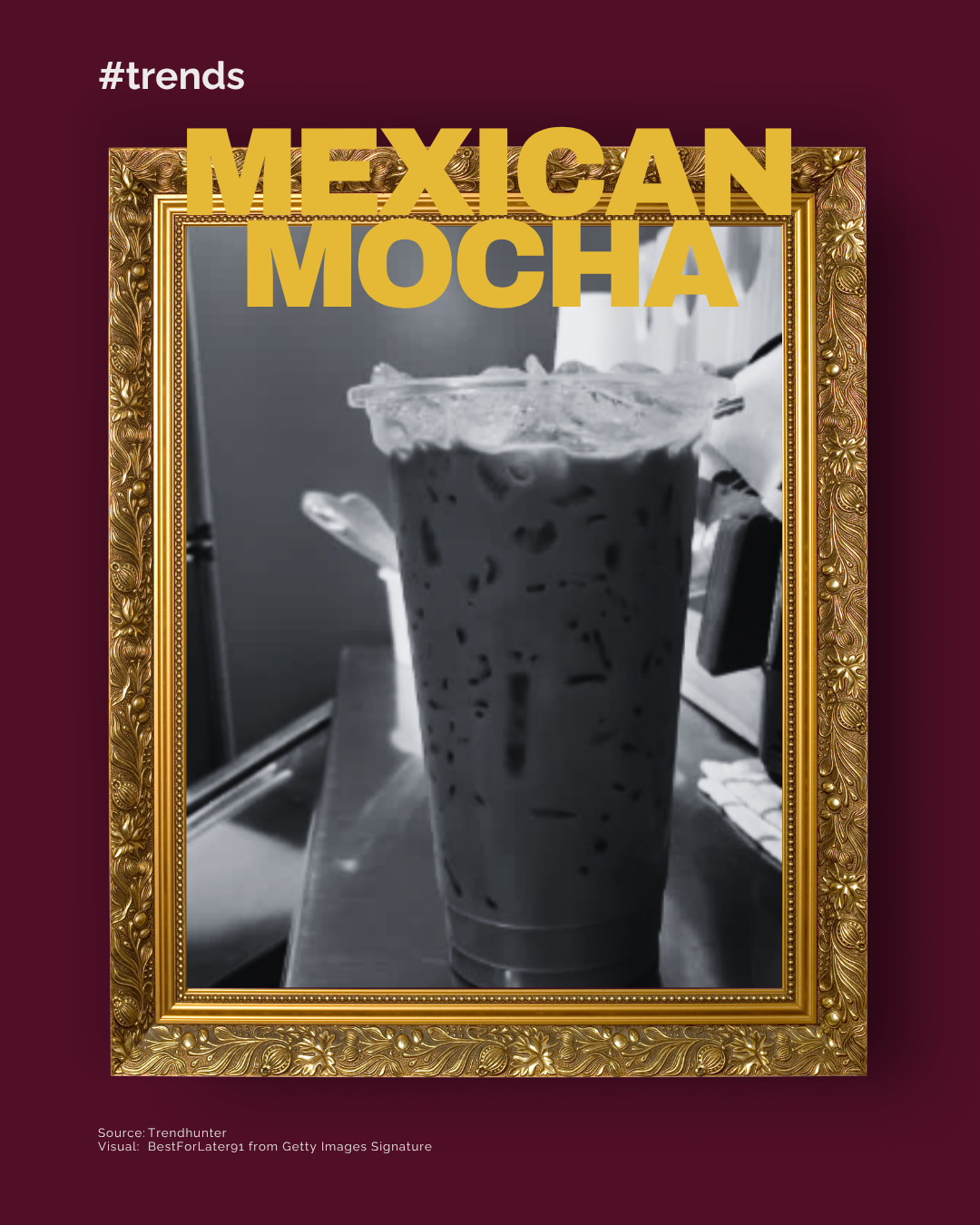
Dutch Bros Turns Customer Hacks Into Menu Items
Dutch Bros' new Mexican Mocha and Island Potion Lemonade both started life as customer customisations before earning official menu spots, one leaning into cinnamon and dark chocolate, the other layering mango, pineapple and pomegranate. It's a low-risk innovation model: let customers do the R&D, then package what already works. When brands increasingly source their own menus from customer hacks, who's really doing the creative work?
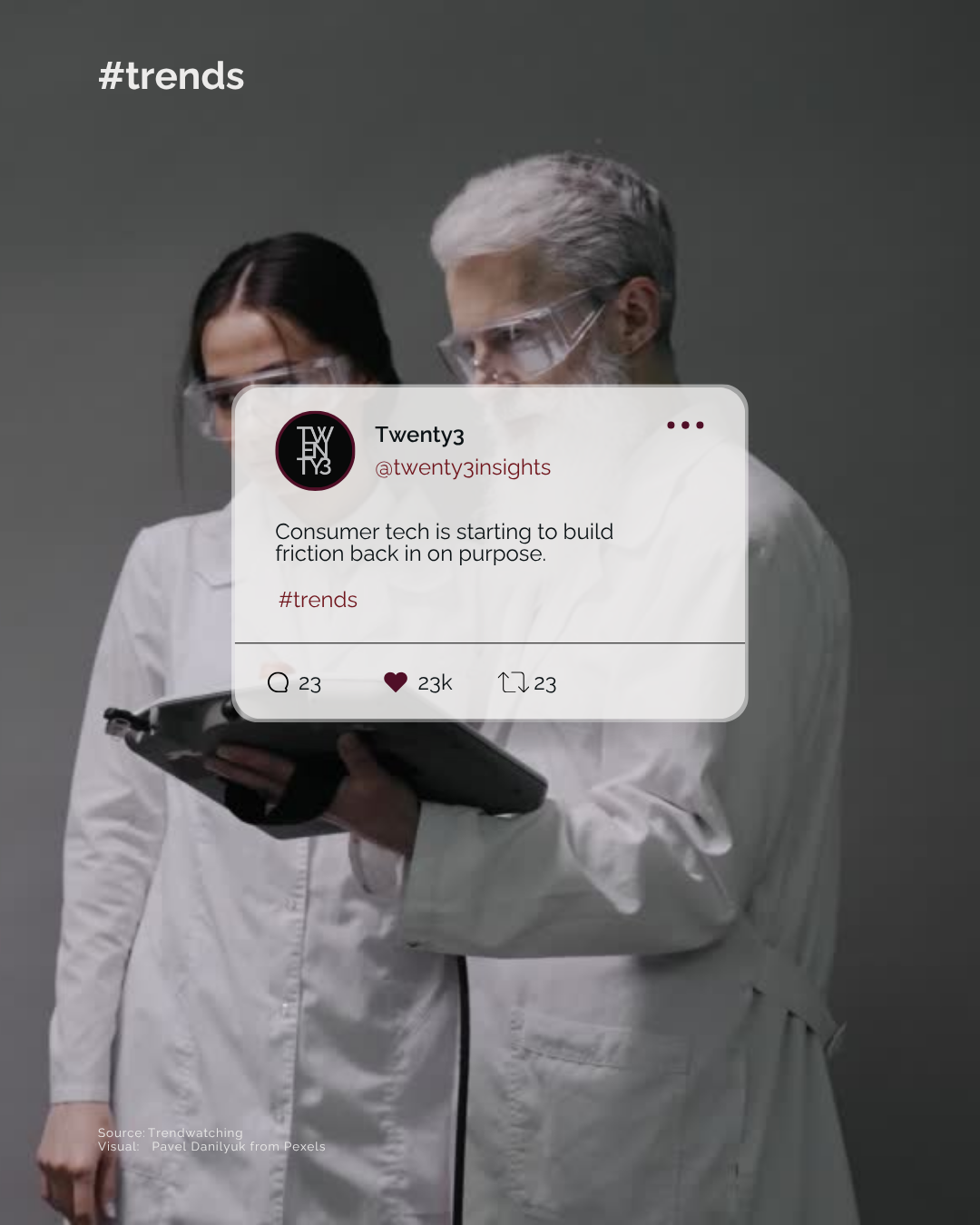
Tech Brands Now Sell Friction
Consumer tech is starting to build friction back in on purpose. FTLO Travel bans phones outright on its tours. Firefox now colour-codes tabs to separate work and personal browsing. Autonomous sells a $9 NFC key that turns unlocking a distracting app into a physical tap rather than a swipe. None of these brands are rejecting tech, they're just handing back the friction that convenience quietly removed. When ease of use becomes the thing people want protecting from, what does that mean for how "frictionless" gets sold next?
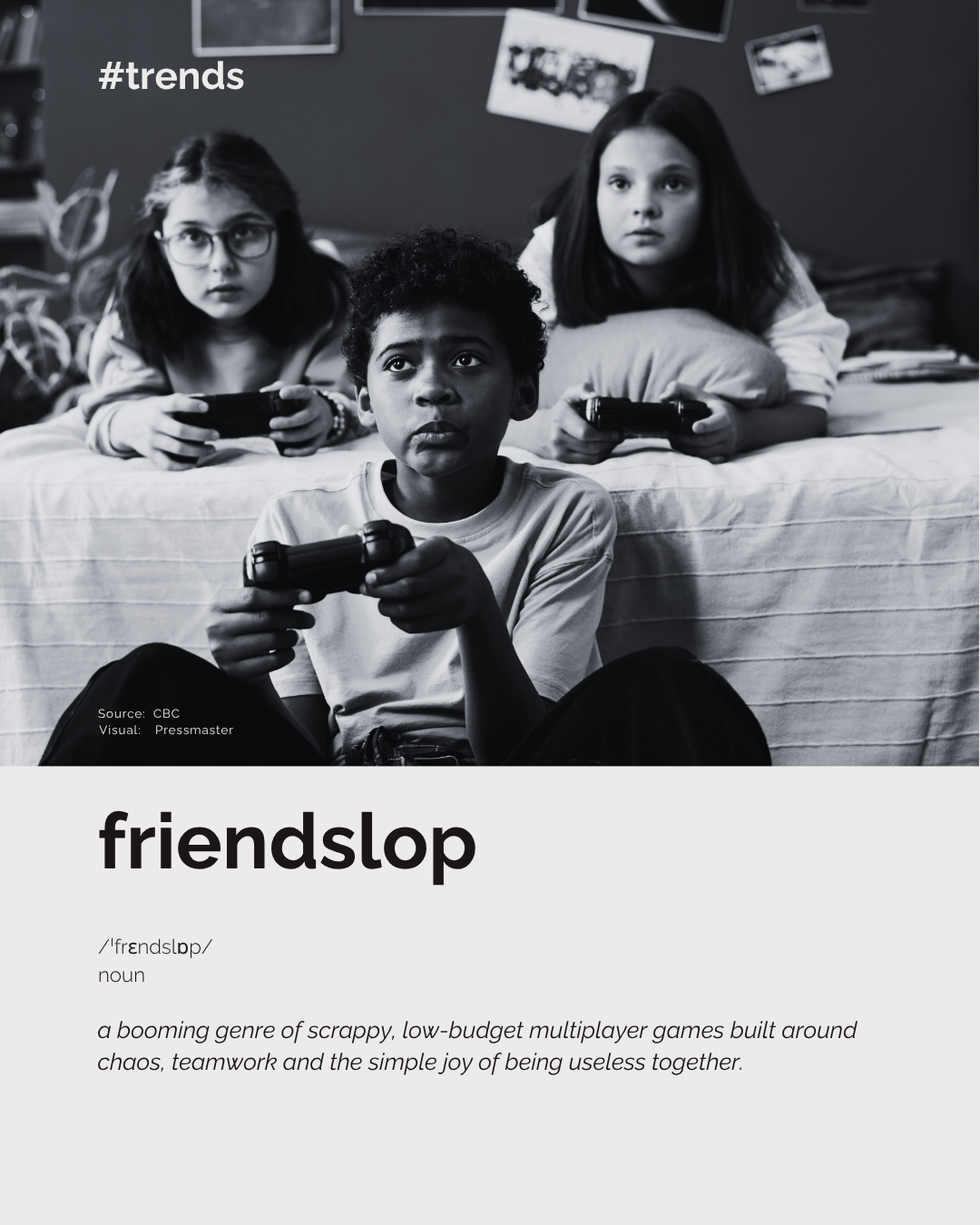
Explainer: friendslop
A new genre nicknamed "friendslop" is dominating gaming. Low-budget, simple-premise co-op titles like Peak and Meccha Chameleon have each sold over 10 million copies by leaning into chaos rather than skill. New release Big Walk builds on the formula with a hand-crafted world and communication puzzles, betting that friction and improvised teamwork matter more than polish. When failure and goofing around become the actual gameplay loop, what does that say about what people now want games to do for their relationships?
Barbershops Become An Investable Asset Class
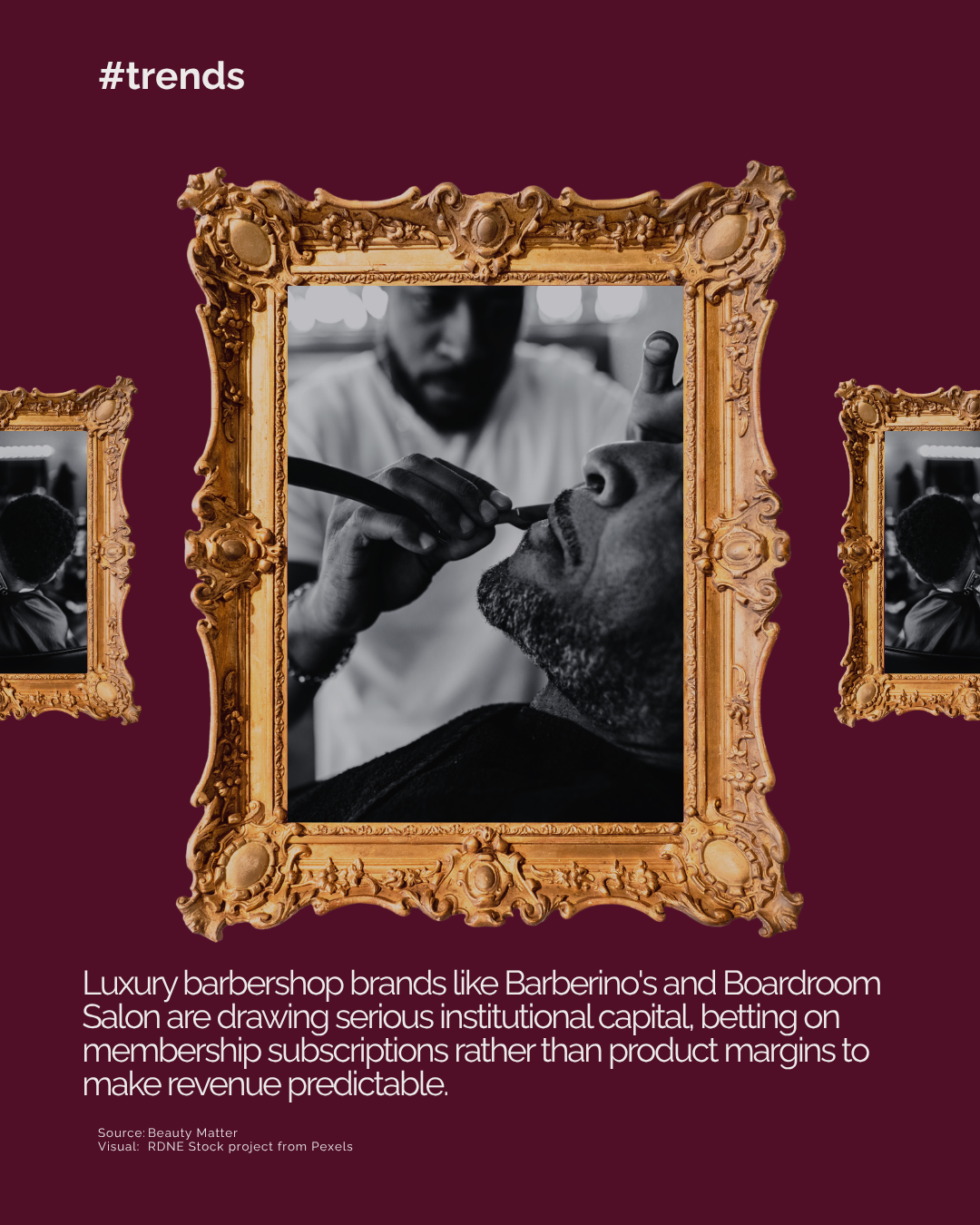
Luxury barbershop brands like Barberino's and Boardroom Salon are drawing serious institutional capital, betting on membership subscriptions rather than product margins to make revenue predictable. Boardroom's CEO says 40% member-driven visits let it forecast staffing confidently, while Barberino's is charging $150 in the US against €30 in Italy for largely the same service. When a haircut becomes the entry price and the membership is the actual product, what does that say about where retail value is migrating next?