Trends & Artefacts: anti-blush edition
In this week’s edition of Trends & Artefacts, we round up the snackable trends, stats and insights from around the world, including:
Soft Serve Ice Cream Sees Wild Reinvention
Rome's Pasta Windows Spark Debate
Aarhus Pilots City-Wide Reusable Cups
Explainer: Anti-Blush
Luxury Brands Turn To Ballet For Prestige
Soft Serve Ice Cream Sees Wild Reinvention
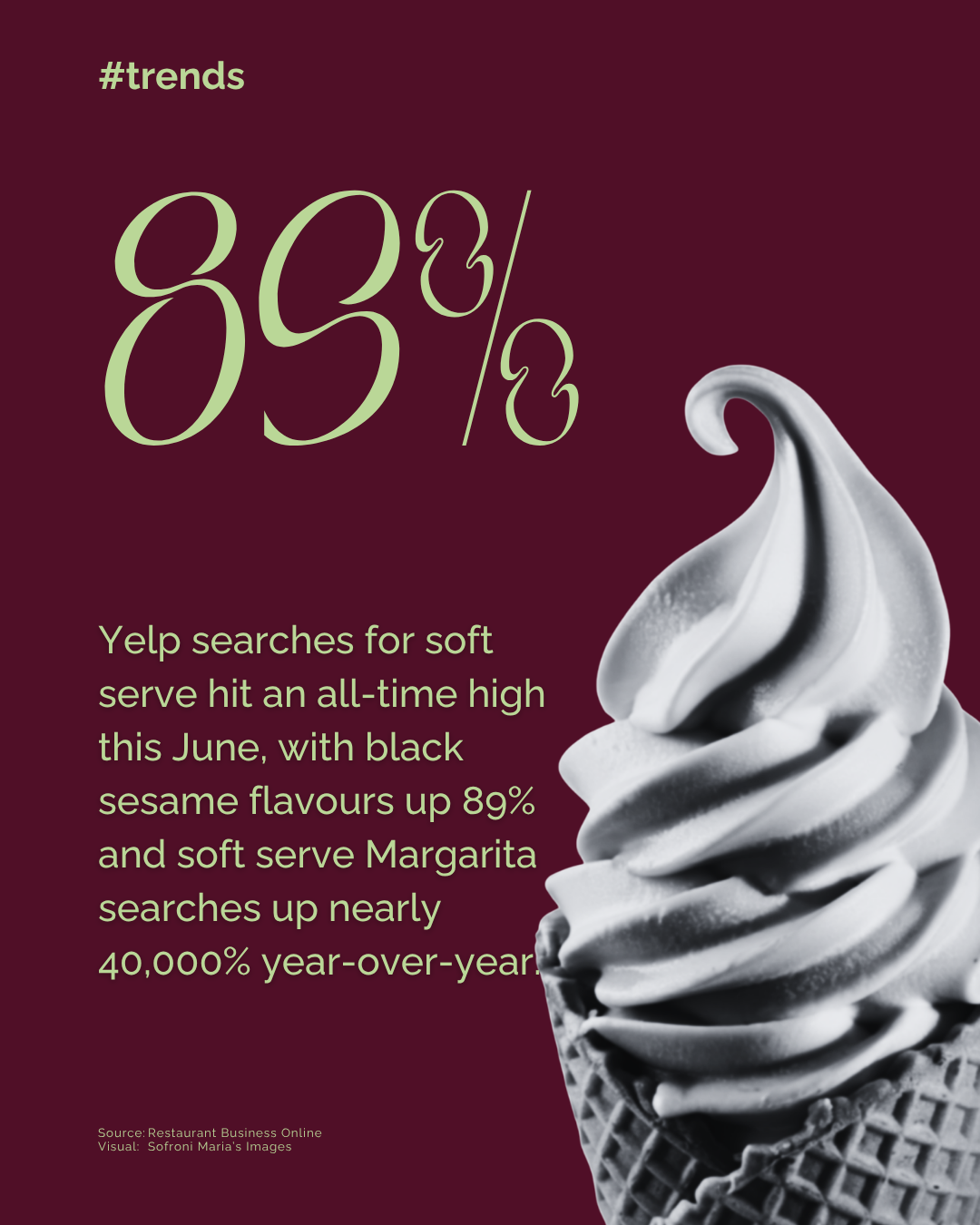
Yelp searches for soft serve hit an all-time high this June, with black sesame flavours up 89% and soft serve Margarita searches up nearly 40,000% year-over-year. Chefs are stretching the format into tahini, basil, brown butter truffle and even Dirty Martini territory, treating soft serve as a blank canvas rather than a nostalgia act. When a 90-year-old format becomes this experimental, is nostalgia driving the trend or just giving cover for how far chefs can push it?
Rome's Pasta Windows Spark Debate
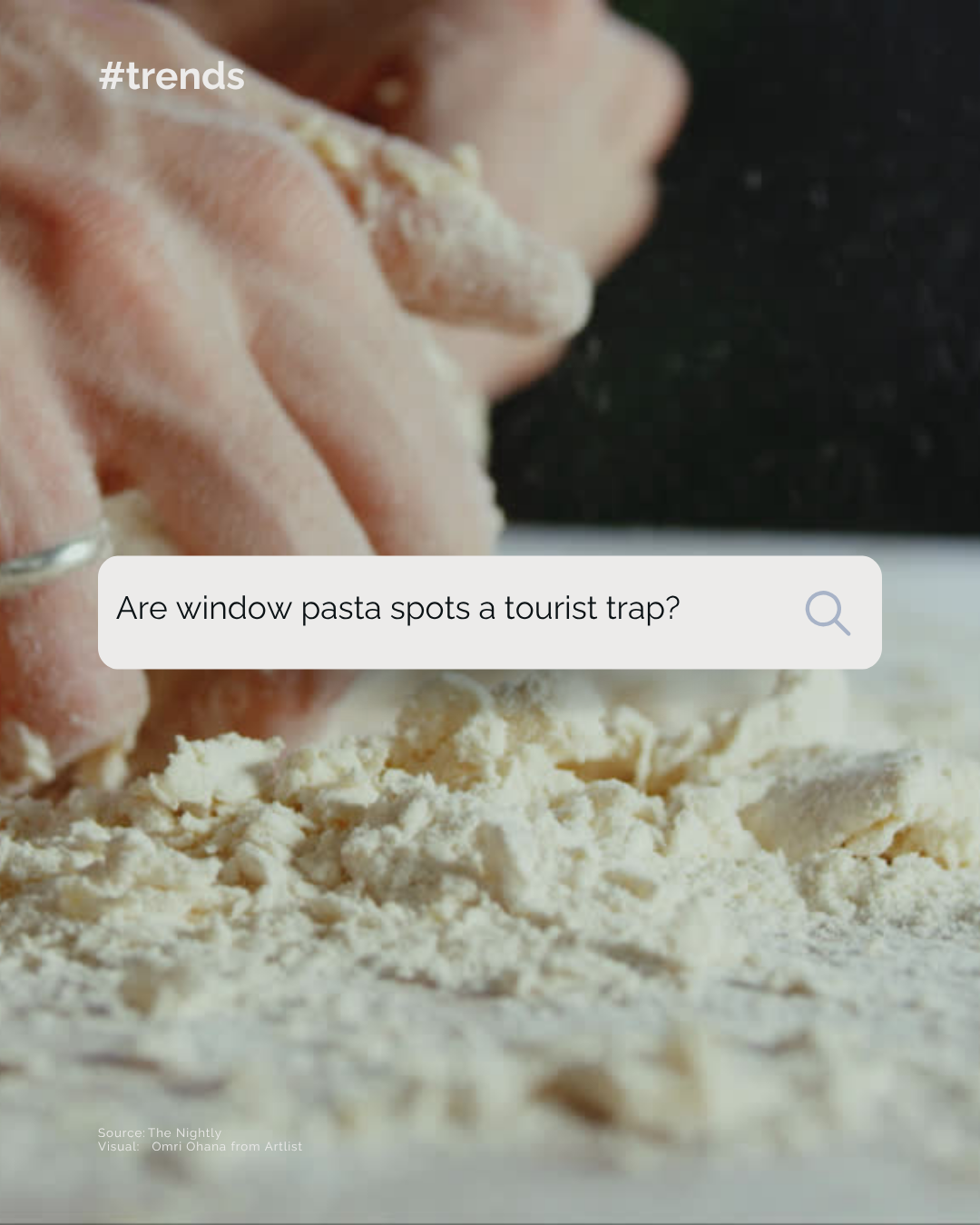
Restaurants across Rome are placing pasta-makers in prominent front windows, a trend locals call marketing dressed as tradition. Critics note Roman cuisine is rooted in dry pasta and that fresh noodles on display signal tourist appeal rather than authenticity. Yet the chains behind it keep expanding into Milan, Spain and England. When performing heritage sells better than the dish itself, who gets to decide what counts as authentic?
Aarhus Pilots City-Wide Reusable Cups
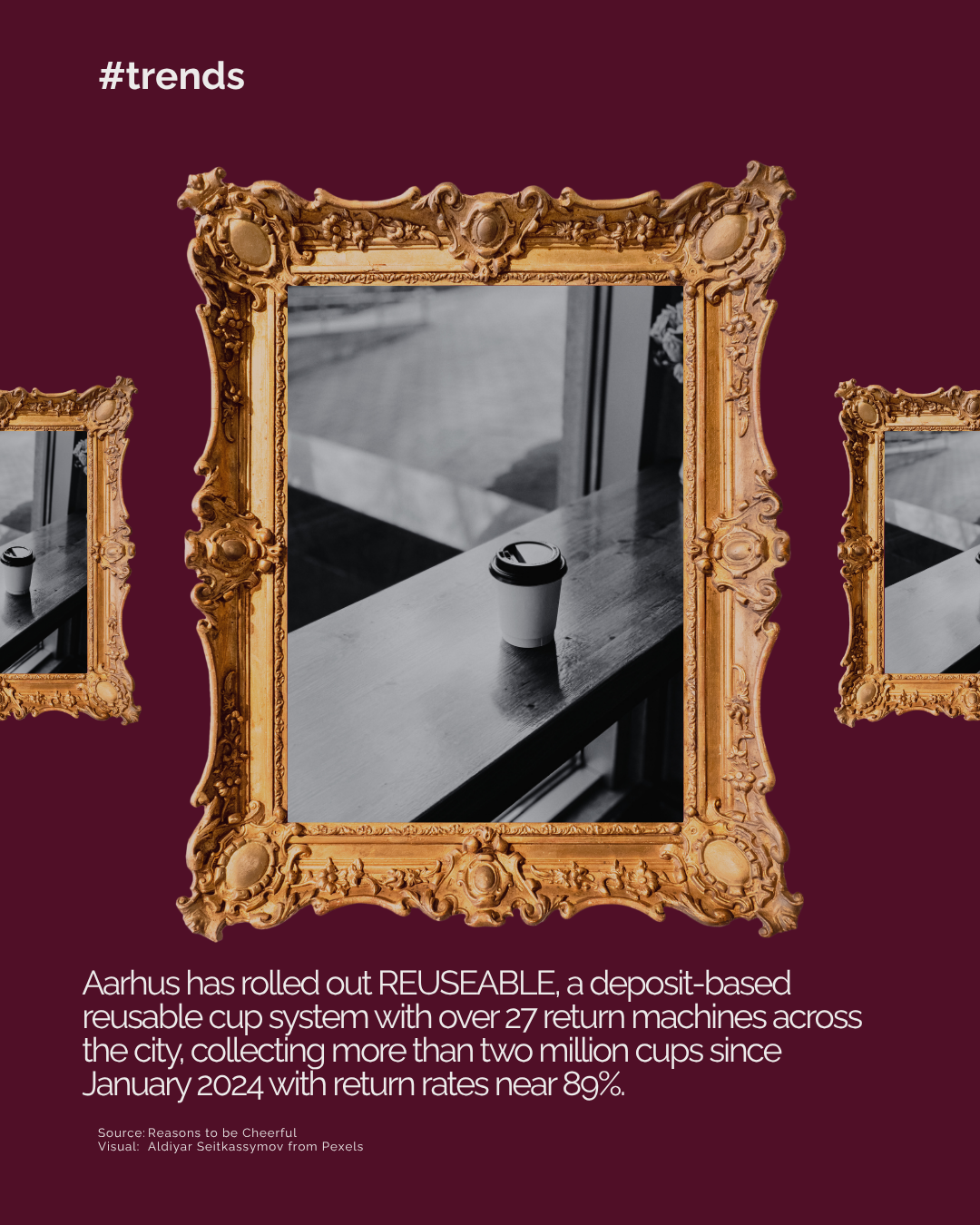
Aarhus has rolled out REUSEABLE, a deposit-based reusable cup system with over 27 return machines across the city, collecting more than two million cups since January 2024 with return rates near 89%. It works at university cafeterias and festivals, but city organisers admit most cafes still default to disposable when given the choice. When even a high-trust, recycling-literate population defaults to disposable unless it's mandatory, what does that say about how far incentives alone can shift behaviour?
Explainer: Anti-Blush
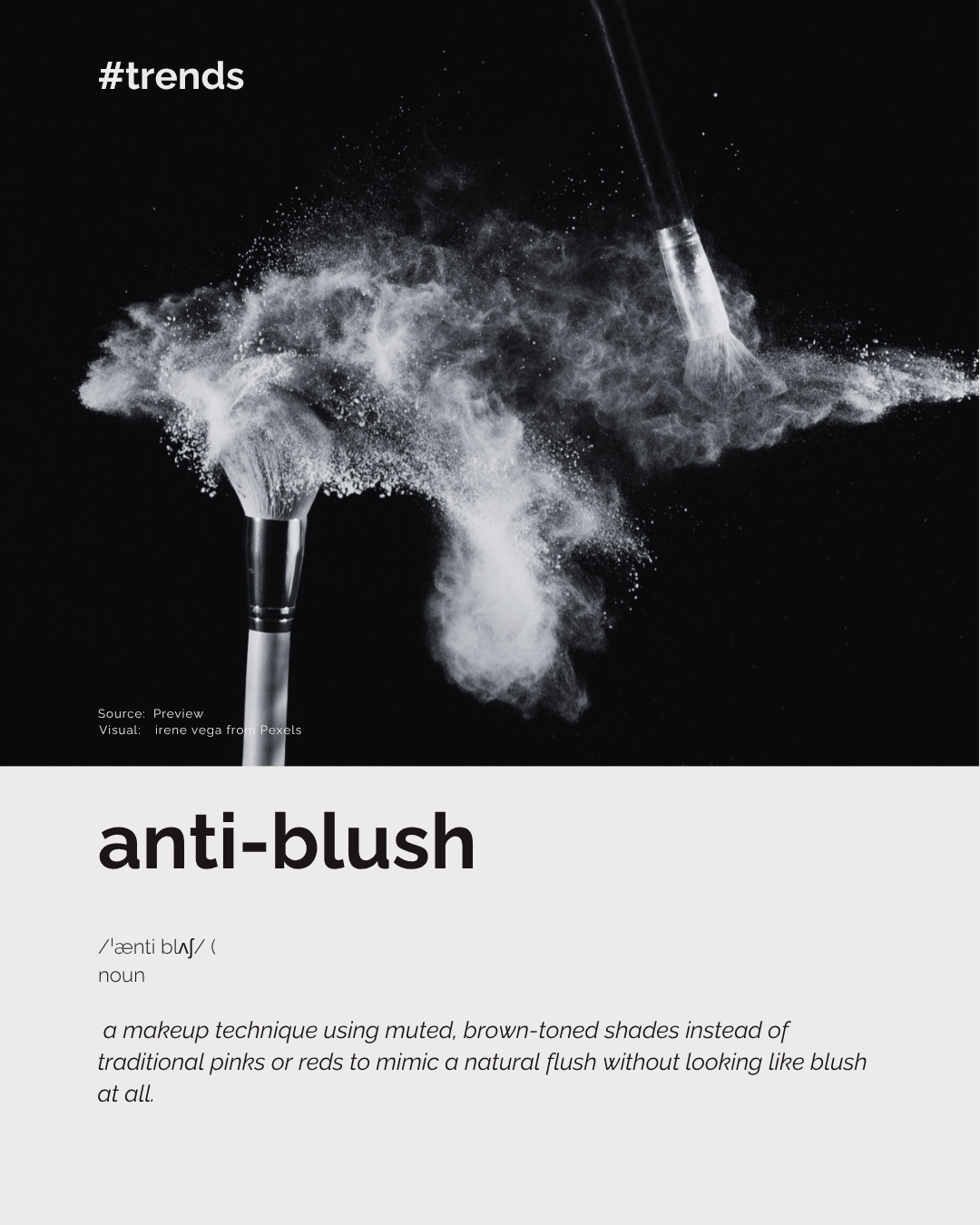
After years of bold pink and boyfriend blush trends, beauty is shifting toward the "anti-blush", muted terracotta and beige shades designed to mimic a natural flush rather than announce a product. Brands from MAC to Guerlain are already stocking neutral-toned formulas built to blur rather than pop. When the goal becomes looking like you're wearing nothing at all, is that less effort or just a more expensive kind of it?
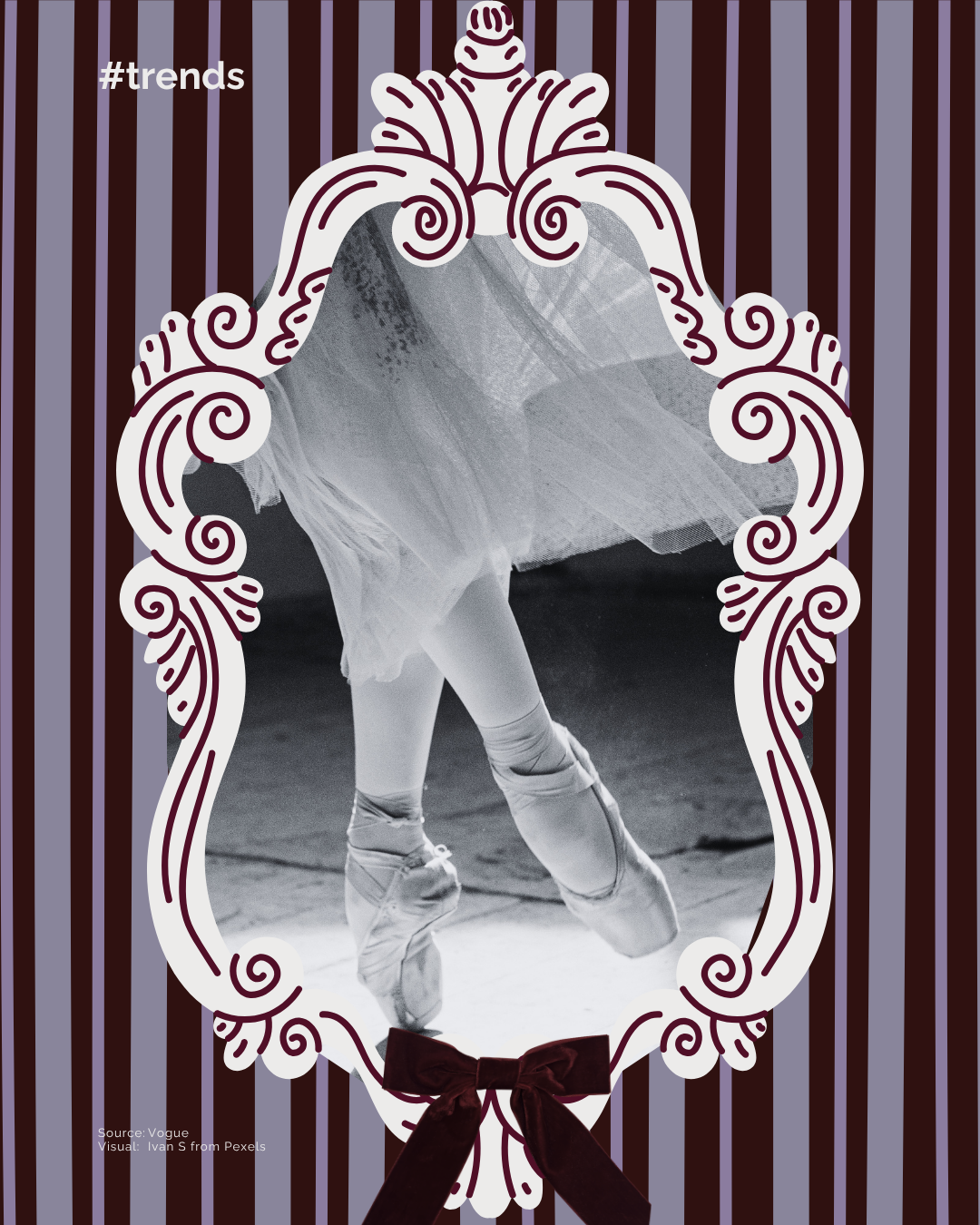
Luxury Brands Turn To Ballet For Prestige
Fashion houses are leaning harder into ballet as a branding tool, with Chanel sponsoring the Paris Opera, Rolex backing the Royal Ballet for 18 years and designers like Burberry's Daniel Lee costuming productions outright. Half of the Royal Ballet and Opera's 2025 ticket bookers were new and a fifth were under 30. Proof the strategy is pulling in exactly the younger, meaning-hungry audience brands are chasing. When craftsmanship and restraint become the shortcut to credibility, is ballet lending fashion its prestige, or is fashion just borrowing it faster than it can be earned?