Trends & Artefacts: affordable indulgence edition
In this week’s edition of Trends & Artefacts, we round up the snackable trends, stats and insights from around the world, including:
Fake Delivery App Sells No Food
Fancy Dinners Become Everyday Habit
Study Finds Nearly Half Show Shopping Addiction Signs
Explainer: affordable indulgence
Brand Names Matter Less Than Function
Fake Delivery App Sells No Food
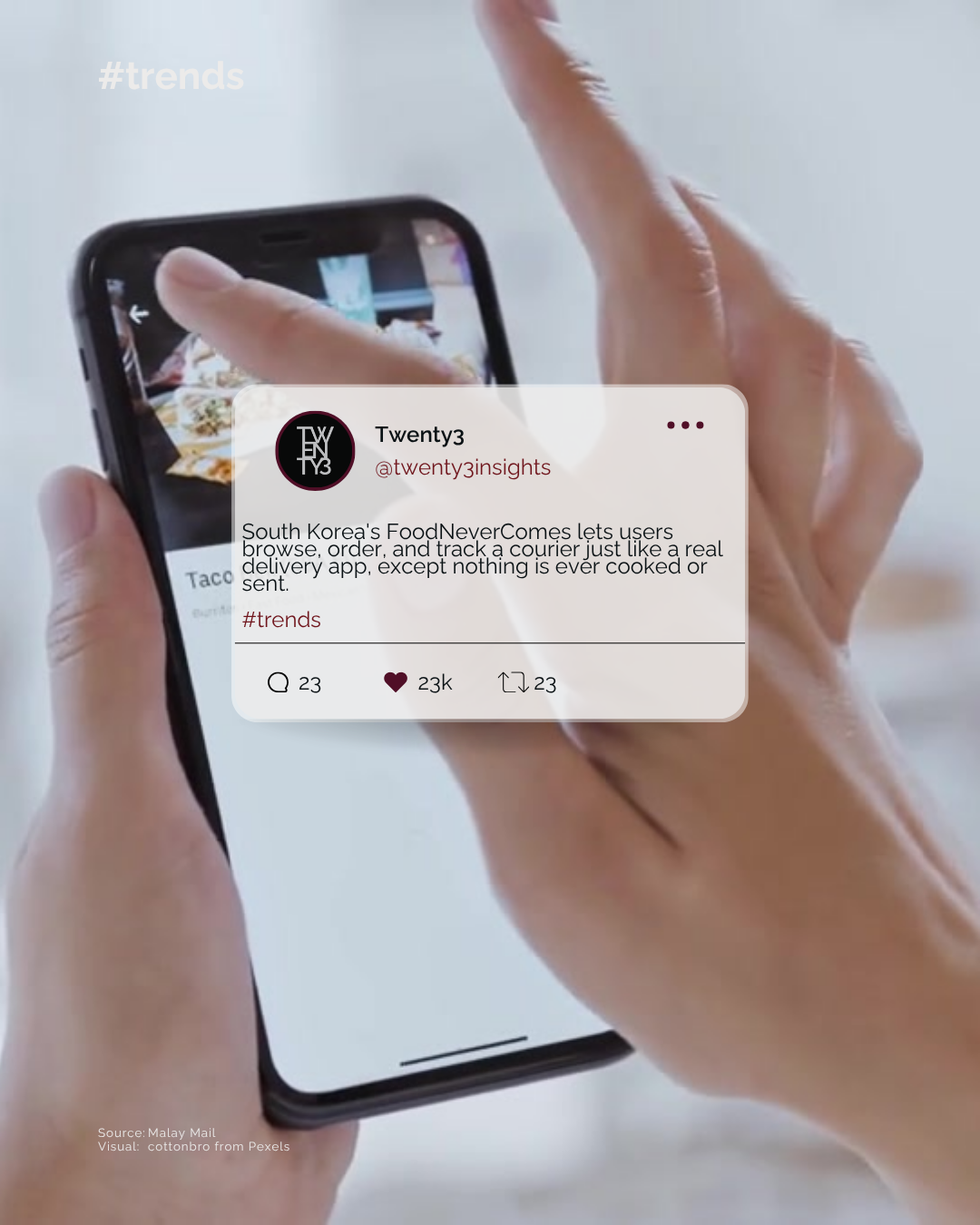
South Korea's FoodNeverComes lets users browse, order, and track a courier just like a real delivery app, except nothing is ever cooked or sent. Creator Malhee built it to interrupt the boredom-driven habit of opening delivery apps, betting that the dopamine hit comes from anticipation, not the actual meal. If simulating a purchase can satisfy the craving, what does that say about what we're actually buying when we shop?
Fancy Dinners Become Everyday Habit
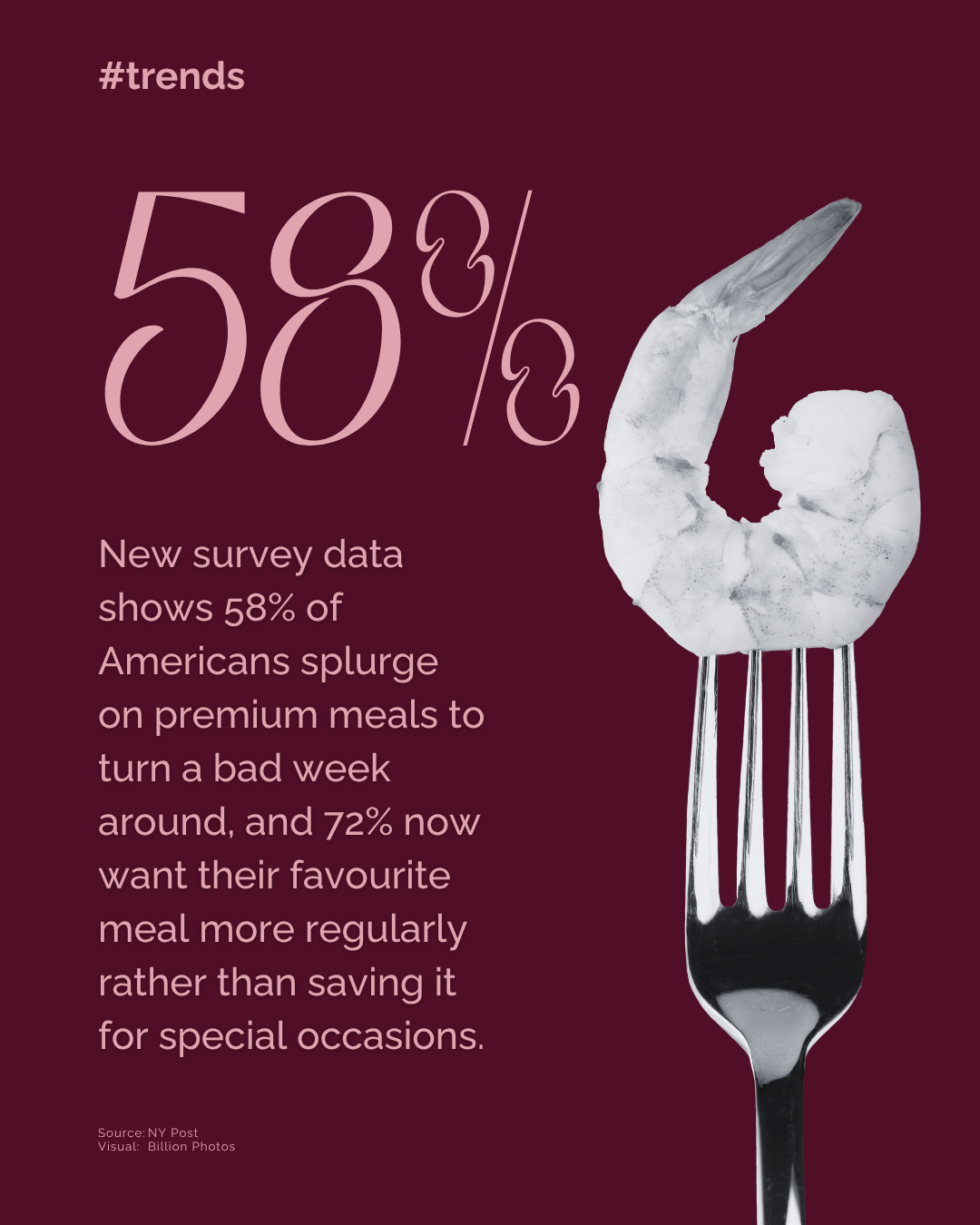
New survey data shows 58% of Americans splurge on premium meals to turn a bad week around, and 72% now want their favourite meal more regularly rather than saving it for special occasions. Seafood is a key part of that shift, with 49% saying it feels just as satisfying made at home as in a restaurant. When "treat yourself" stops being occasional and becomes routine, what does that do to how brands define everyday value?
Study Finds Nearly Half Show Shopping Addiction Signs
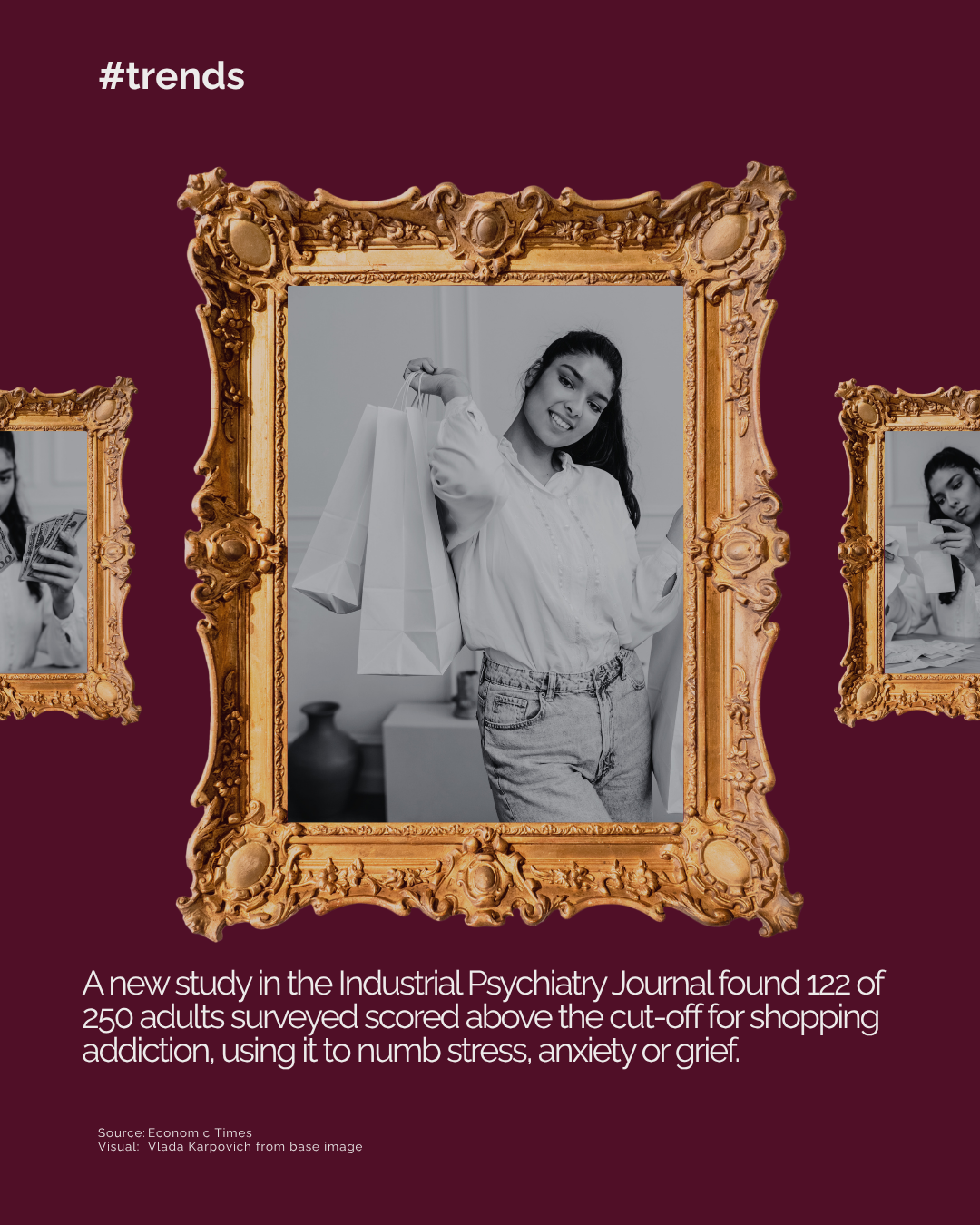
A new study in the Industrial Psychiatry Journal found 122 of 250 adults surveyed scored above the cut-off for shopping addiction, using it to numb stress, anxiety or grief. Researchers linked the pattern to impulsivity and extraversion, with "tolerance", needing to spend more for the same emotional lift, scoring highest. If retail therapy is this widespread, when does coping become compulsion?
Explainer: affordable indulgence
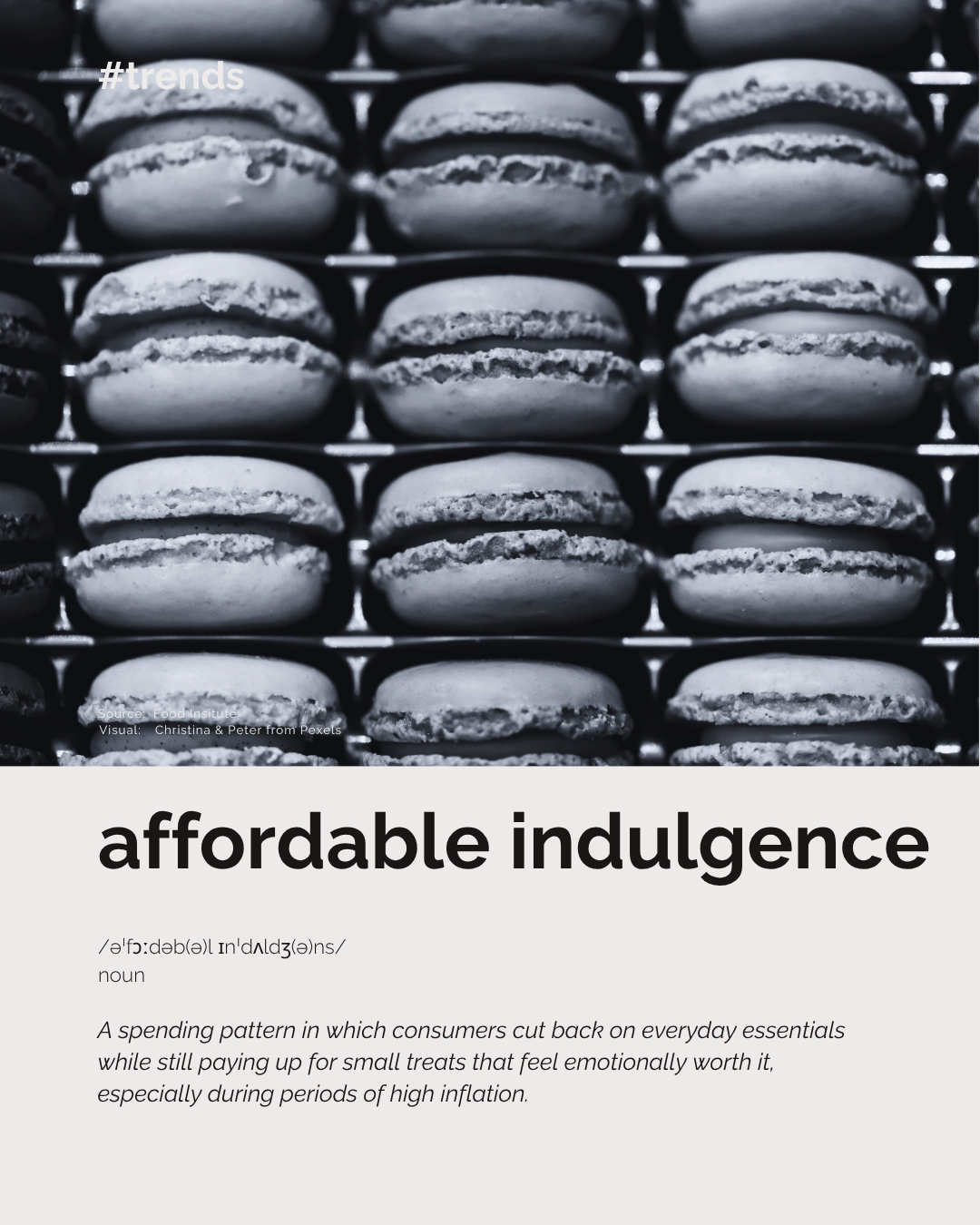
Quench's 2026 report finds Americans cutting back on essentials while still spending on small treats, a pattern they call "affordable indulgence." Consumers aren't chasing the cheapest option, they want the one that feels worth it, alongside a rise in niche, community-driven brands over mass appeal. What happens to brand loyalty when relevance matters more than reach?
Brand Names Matter Less Than Function
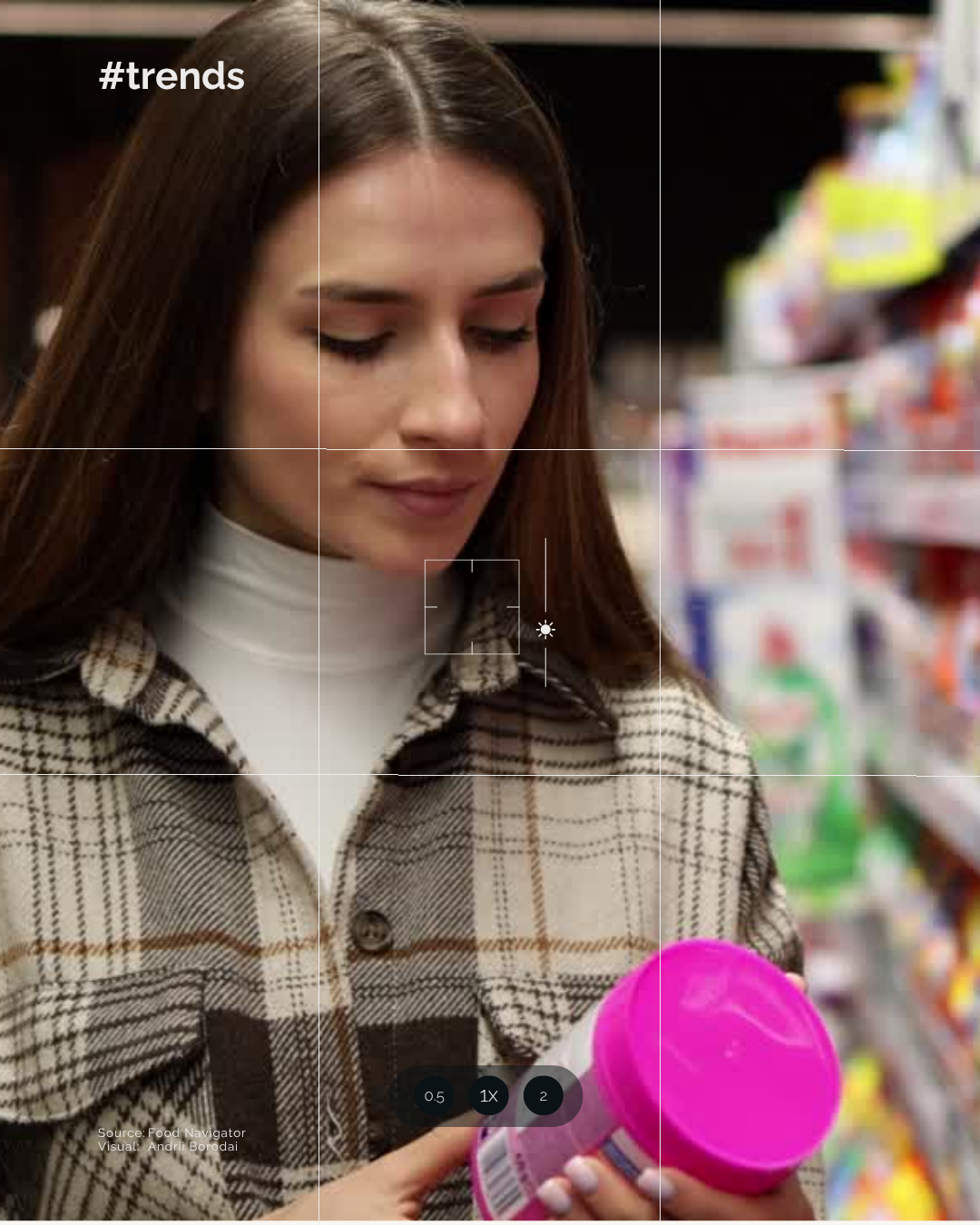
A new Worldpanel by Numerator report shows top FMCG brands losing long-term share as shoppers prioritise what a product does over the name on the pack, checking labels for protein, sugar and fibre before loyalty kicks in. Analysts say growth now comes from solving a specific problem, a cheaper lunch, a clearer health cue, a size that fits, rather than relying on brand equity alone. If shoppers see the job before the logo, what's left for decades of brand-building to actually protect?