Trends & Artefacts: mallmaxxing edition
In this week’s edition of Trends & Artefacts, we round up the snackable trends, stats and insights from around the world, including:
Cash App Turns a Viral Wand Trend Into a Payment Product
Pill Form Could Widen Access to Weight-Loss Drugs
Decathlon Pays Cash for Returned Festival Tents
Explainer: mallmaxxing
AI Is Powering a New Wave of Return Fraud

Cash App Turns a Viral Wand Trend Into a Payment Product
Cash App has launched a $25 NFC-enabled payment wand after social media users began embedding tap-to-pay cards into homemade versions, converting a grassroots trend into a formal product line. The underlying technology is decades old, but the strategy is deliberate: use cultural novelty to acquire younger users and make existing ones more transactional. When a brand lets consumers invent a product first and then sells it back to them, where does organic culture end and marketing begin?
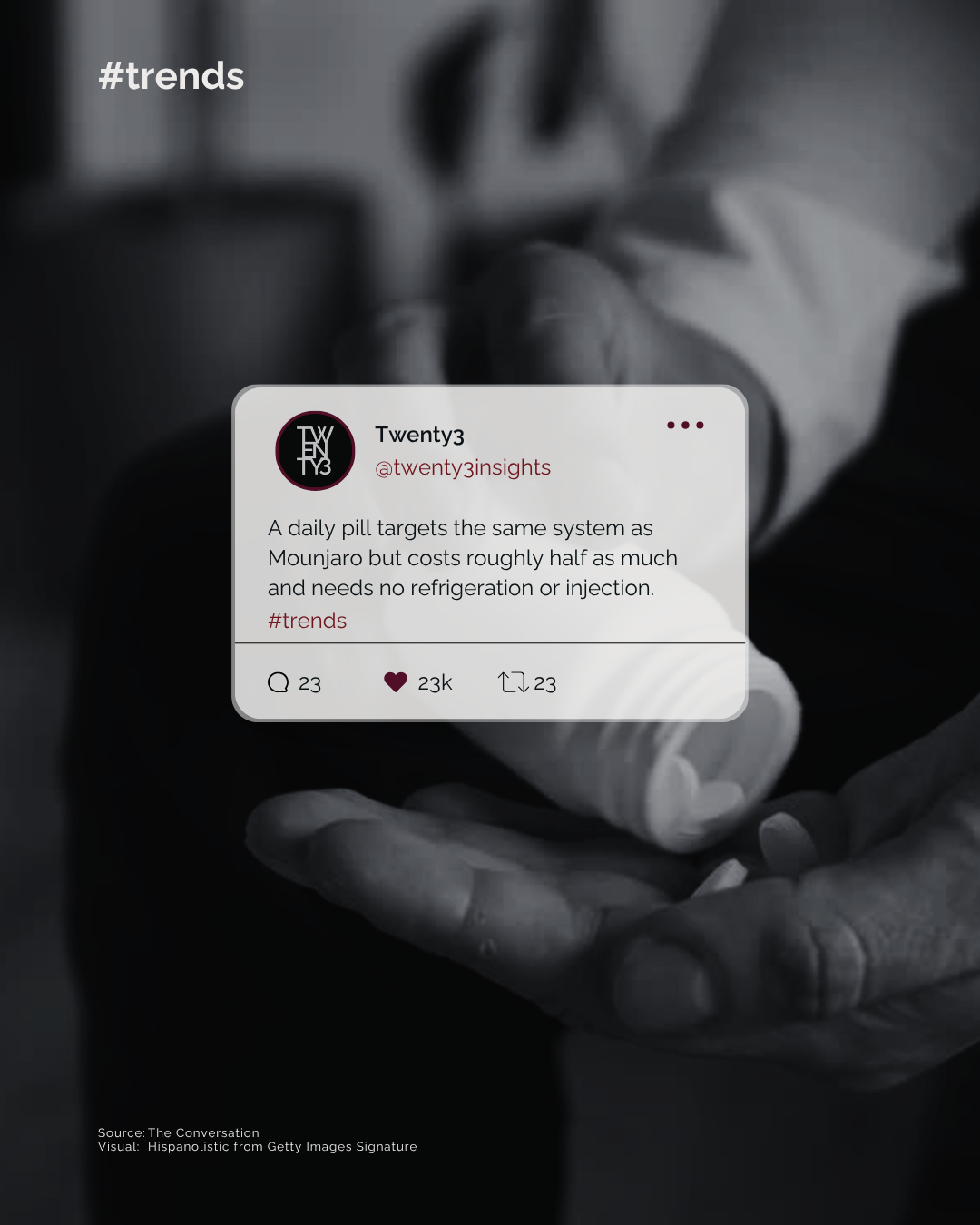
Pill Form Could Widen Access to Weight-Loss Drugs
A newly FDA-approved daily pill called orforglipron targets the same system as Wegovy and Mounjaro but costs roughly half as much and needs no refrigeration or injection. Early trial data suggest it may also help patients keep weight off after stopping pricier jabs, cutting regain significantly. If a cheaper oral option holds up at scale, how does that reshape the market that has built up around injectable weight-loss drugs?
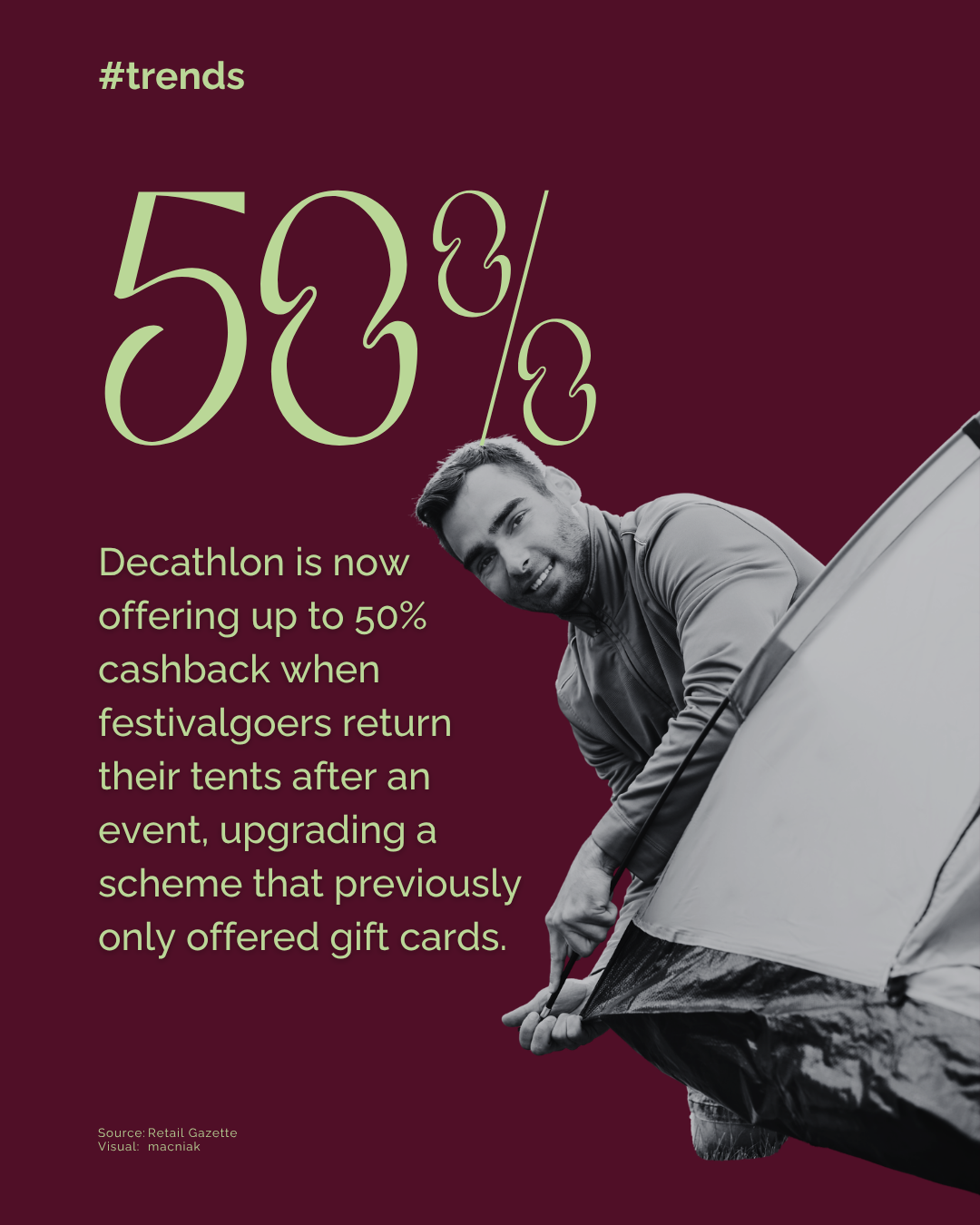
Decathlon Pays Cash for Returned Festival Tents
Decathlon is now offering up to 50% cashback when festivalgoers return their tents after an event, upgrading a scheme that previously only offered gift cards. Returned tents are cleaned and resold through its Second Life programme, directly tackling the estimated hundreds of thousands of tents abandoned at UK festivals each year. If cash incentives are what it takes to close the loop on single-use behaviour, what does that say about where the responsibility for waste actually sits?
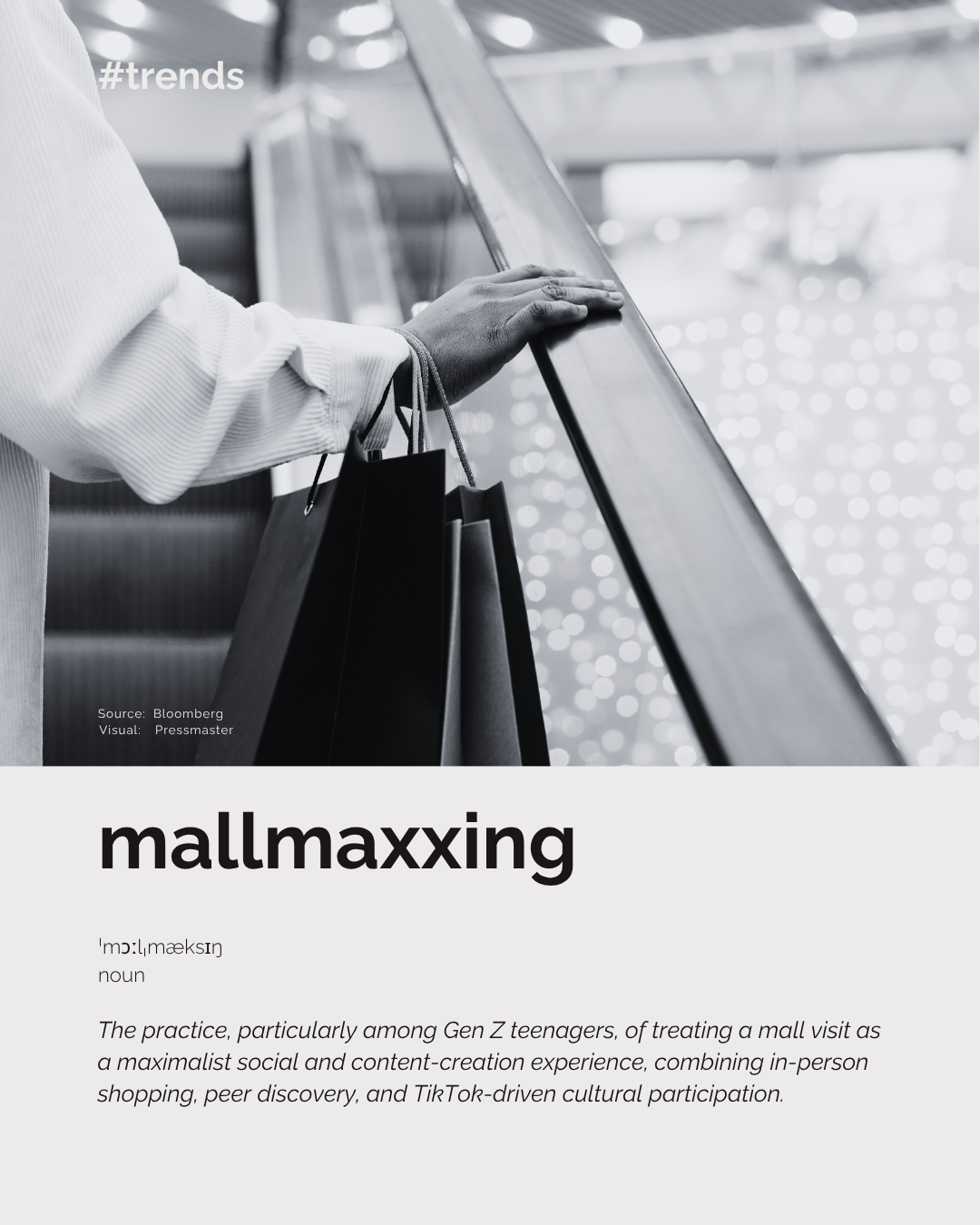
Explainer: mallmaxxing
US shopping malls are drawing Gen Z back through a combination of screen fatigue, TikTok virality, and physical retail designed for content creation, with photo booths, expanded fitting rooms, and experience-led anchor tenants replacing traditional department stores. Brands like Edikted and Princess Polly, until recently online only, are opening physical stores precisely because discovery and sharing in person has become a social currency for younger shoppers. When the antidote to too much screen time still ends up on TikTok, what does that tell us about where physical retail now sits in the attention economy?

AI Is Powering a New Wave of Return Fraud
Generative AI is now being used to fabricate damage photos, doctor receipts, and build convincing false refund claims at scale, making AI-generated damage claims the fastest-growing form of return abuse according to fraud prevention platform Forter. Some fraud networks have gone further, offering returns-as-a-service, taking a cut of proceeds in exchange for running scams on behalf of shoppers. As retailers tighten policies in response, how do they avoid penalising the majority of honest customers for the behaviour of a growing few?