Trends & Artefacts: diet fatigue edition
In this week’s edition of Trends & Artefacts, we round up the snackable trends, stats and insights from around the world, including:
Adults Are Ordering Off the Kids' Menu
Modular Eating Is Reshaping How Gen Z Thinks About Meals
Degree Hacking Challenges What a Qualification Means
Explainer: diet fatigue
Forgotten 2010s Drama Resurfaces on UK Streaming
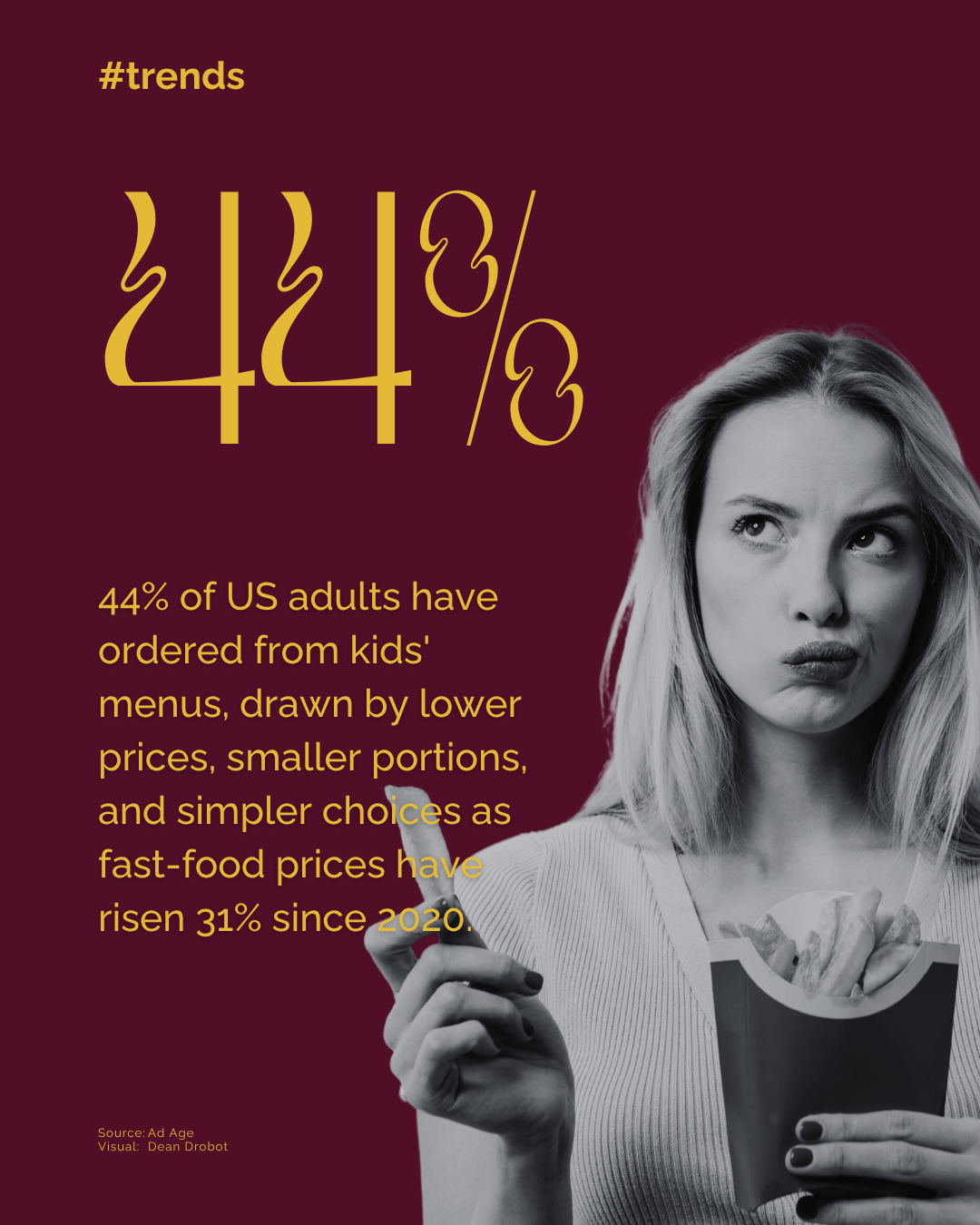
Adults Are Ordering Off the Kids' Menu
44% of US adults have ordered from kids' menus, drawn by lower prices, smaller portions, and simpler choices as fast-food prices have risen 31% since 2020. GLP-1 medications are adding momentum, with appetite suppression shifting what some diners want from a meal altogether. As restaurants are pulled between value meals and premium indulgence to satisfy a divided consumer base, is portion size still a meaningful proxy for value?
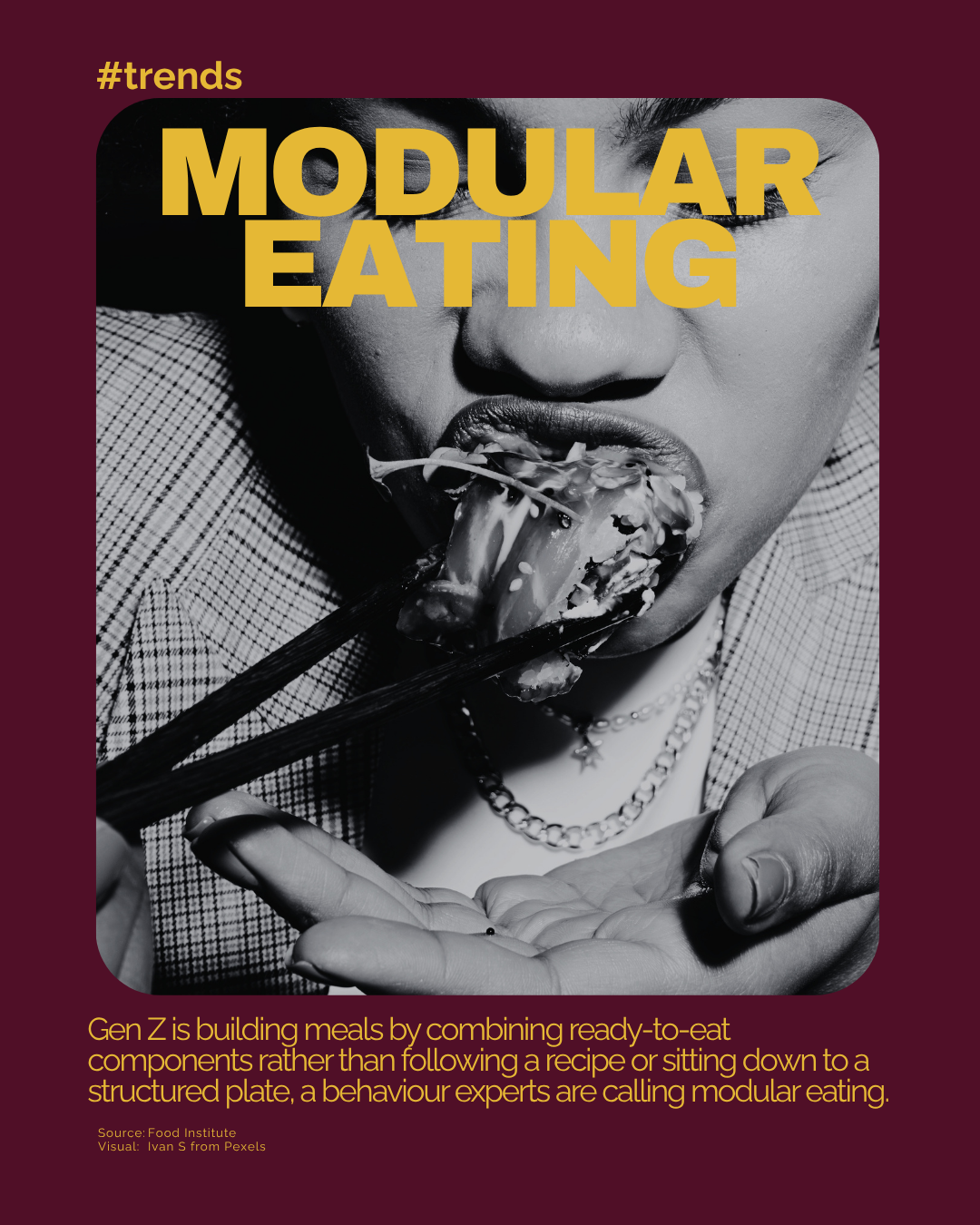
Modular Eating Is Reshaping How Gen Z Thinks About Meals
Gen Z is increasingly building meals by combining ready-to-eat components rather than following a recipe or sitting down to a structured plate, a behaviour experts are calling modular eating. Driven by convenience, solo dining, and a social media culture that rewards creative assembly over cooking, it is blurring the boundaries between snacks, proteins, and traditional meal categories. If an algorithm can turn an unknown product into a pantry staple overnight, how should food brands rethink where discovery actually happens?

Degree Hacking Challenges What a Qualification Means
Some US adults are completing accredited bachelor's degrees in weeks rather than years, using competency-based online programmes that charge a flat fee per term and allow unlimited courses, with total costs as low as $4,000. A cottage industry of coaches and influencers has grown around the practice, while accreditors are beginning to ask whether degrees earned this fast retain meaningful value. As credentials become faster and cheaper to obtain, what does that do to the signals employers rely on when a qualification no longer reflects time, rigour, or shared experience?
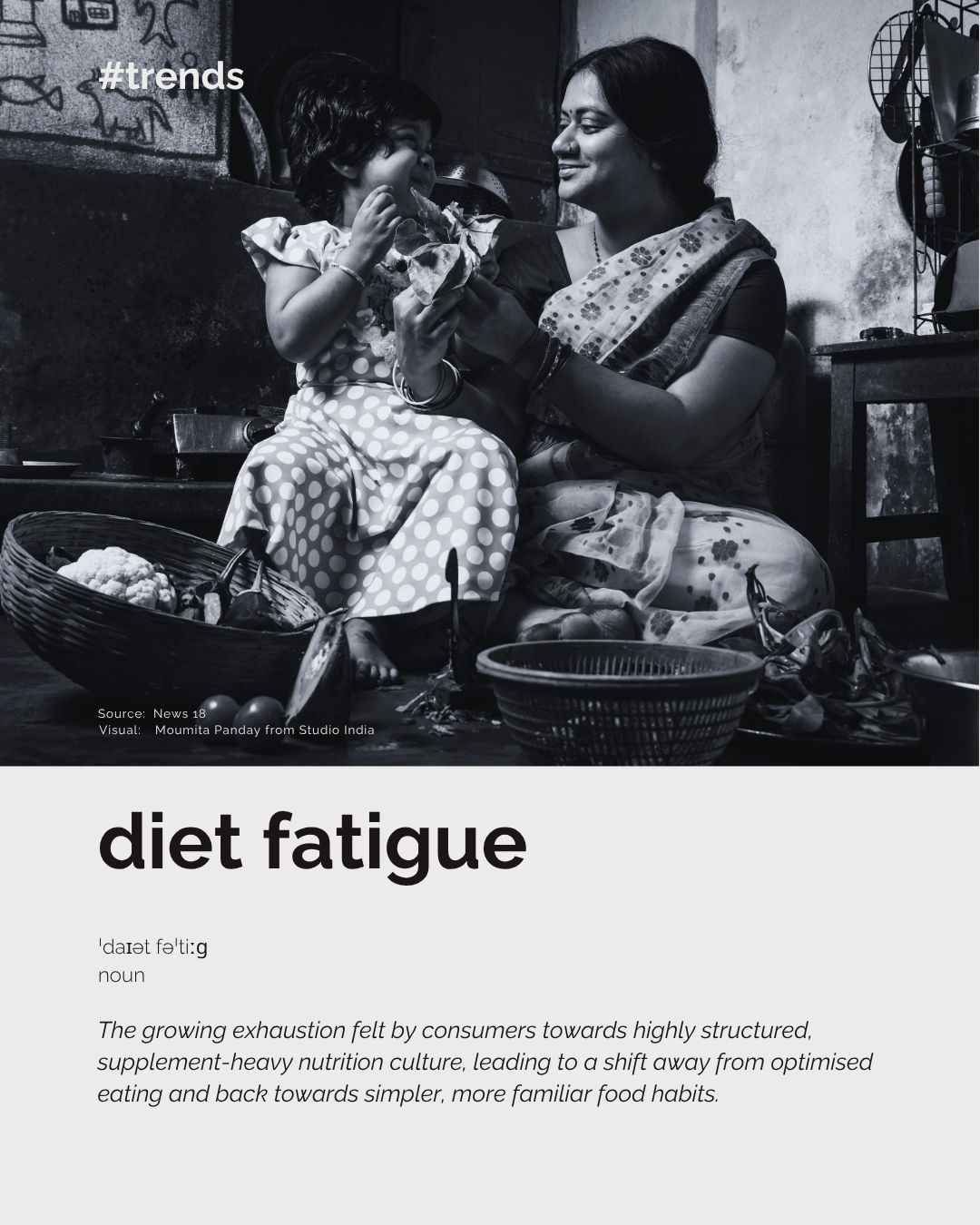
Explainer: diet fatigue
Across urban Indian households, consumers are stepping back from supplement-heavy wellness routines and returning to everyday staples such as milk, curd, paneer, and ghee, driven by rising whey protein costs and growing exhaustion with hyper-structured eating. The shift signals less a rejection of health consciousness and more a redefinition of it, favouring consistency and cultural familiarity over expensive optimisation. When simplicity becomes the aspirational choice, what happens to the wellness industry built on selling complexity?

Forgotten 2010s Drama Resurfaces on UK Streaming
Beauty & the Beast, a detective drama that ended in 2016 and largely faded from public conversation, has climbed to number three on Channel 5's streaming chart after being added to the service. Its quiet revival, driven by availability rather than promotion, follows a pattern of older catalogue titles finding entirely new audiences simply by landing on a new platform. As streaming libraries expand, how much of what trends is about quality or nostalgia, and how much is just timing and placement?