Trend Taster: bibliotherapy edition
In this week’s edition of the Trend Taster, we round up the snackable trends, stats and insights from around the world, including:
Will you quit if forced to RTO?
Grads Are Unprepared for the Workforce
Gen Z's Career Catfishing
Explainer: Bibliotherapy
Gig Economy's Wellbeing
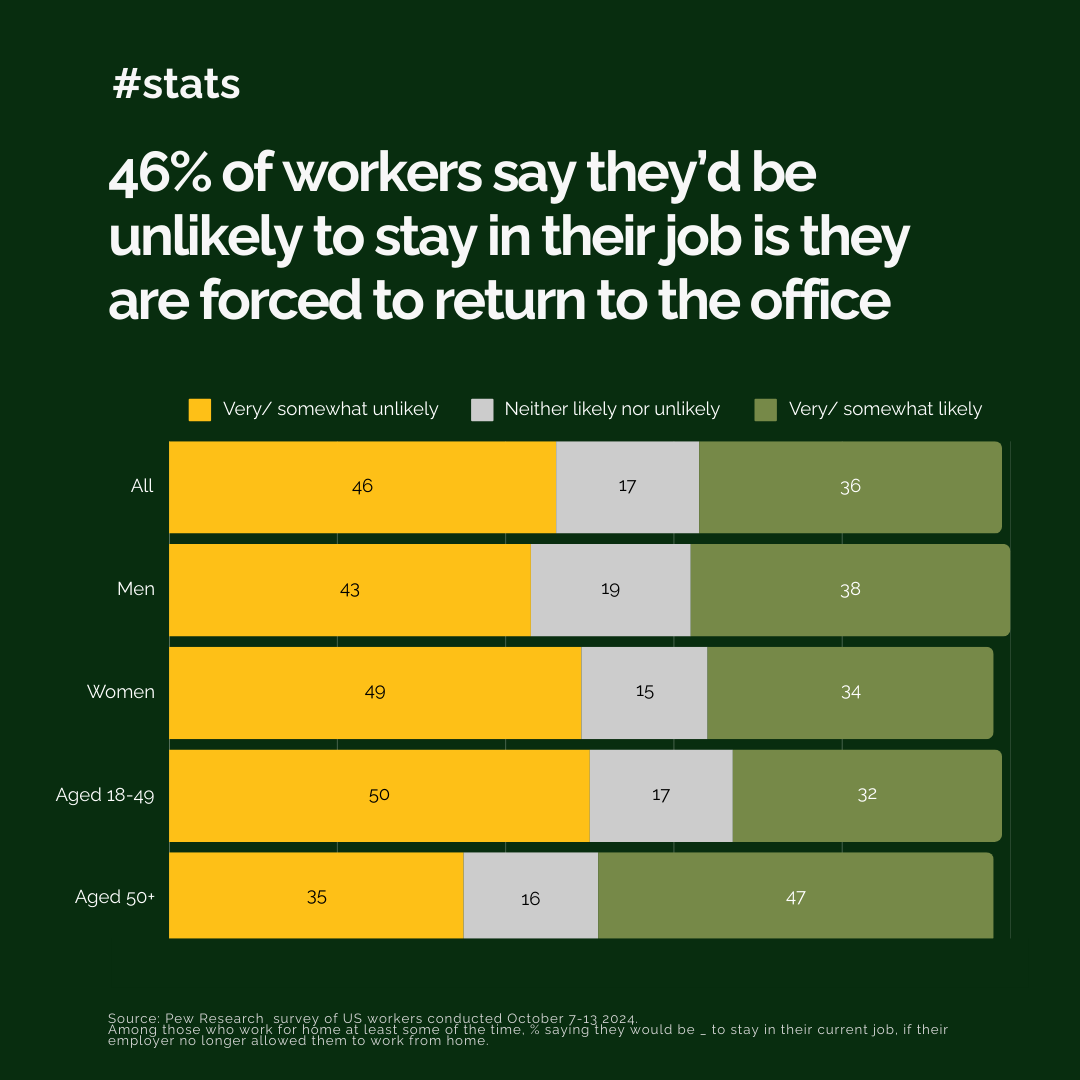
Will you quit if forced to RTO?
New Pew Research data reveals 46% of workers say they'd likely quit if forced to return to the office, with younger professionals most ready to walk. While companies tighten their policies, most workers actually prefer a middle ground, with 72% of current hybrid employees saying they'd choose to maintain a mix of home and office work if given the choice. The future of work isn't about all or nothing, but finding the sweet spot between flexibility and face time.

Grads Are Unprepared for the Workforce
New data from Intelligent.com reveals a concerning disconnect in entry-level hiring: while 97% of managers plan to hire for entry-level positions in 2025, 1 in 8 will actively avoid recent graduates. 33% cite a poor work ethic among recent grads and 55% report having to fire a new graduate in 2024. Interview preparation appears to be a critical gap: 49% of managers note issues with eye contact, 42% with professional dress, and remarkably, 8% have had candidates bring parents to interviews. This highlights a growing trend of reconsidering traditional hiring metrics and bridging the preparation gap between education and employment.
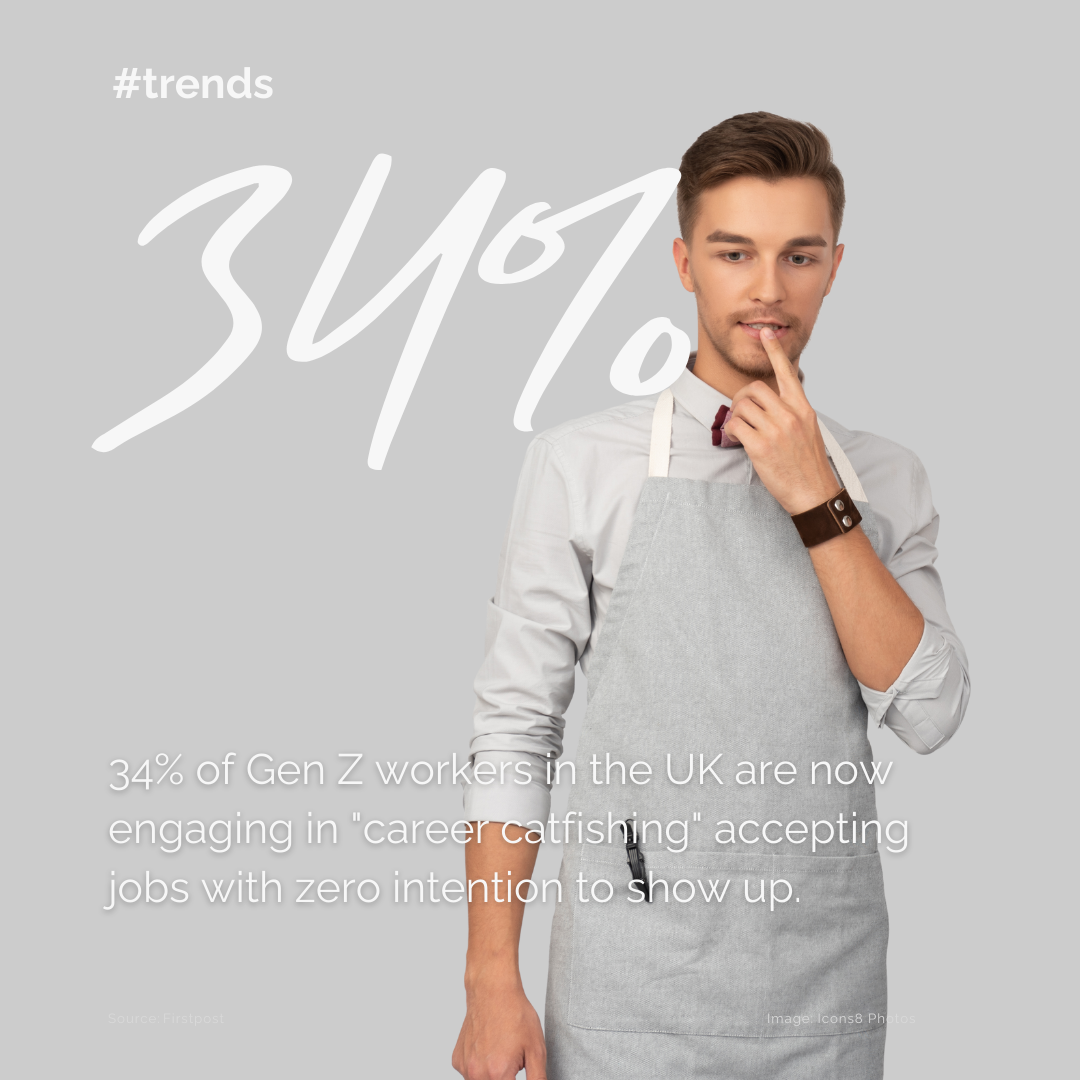
Gen Z's Career Catfishing
34% of Gen Z workers in the UK are now engaging in "career catfishing": accepting jobs with zero intention to show up. While 24% of millennials have tried this tactic, only 7% of boomers report similar behaviour. This is driven by a broken hiring system, where 75% of both candidates and employers now consider ghosting normal practice. This mirrors a broader power shift in recruitment, with applications for 2025 graduates already up 24% from last year despite fewer openings. We're watching real-time evolution of hiring norms, where traditional professional courtesies are being replaced by a more transactional approach from both sides of the interview table.

Explainer: Bibliotherapy
The rise of bibliotherapy - prescribing curated books as mental health medicine - signals a growing recognition of literature's healing power in 2025. New data shows trained "book doctors" are increasingly popular, offering personalised reading prescriptions to tackle everything from anxiety to grief. While the practice traces back to 1916, it's gaining fresh relevance as an accessible alternative to traditional therapy. The trend resonates particularly in communities with limited mental health resources. Practitioners report that fiction, rather than self-help, drives the deepest transformation, suggesting storytelling as a path to emotional wellness.
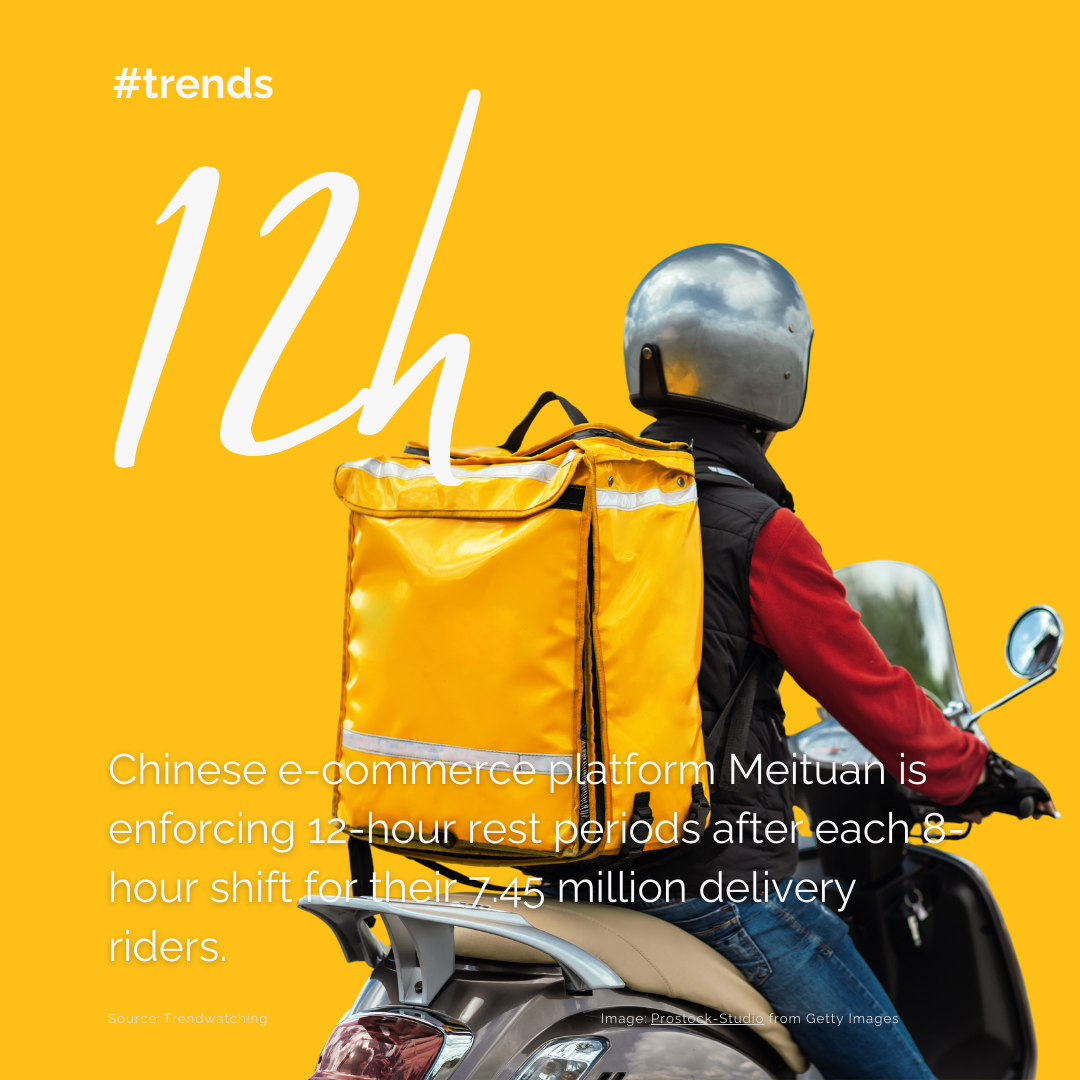
Gig Economy's Wellbeing
Meituan's 7.45 million delivery riders are now being logged off after 8-hour shifts, marking a significant shift in how tech platforms manage worker wellbeing. While top riders in major Chinese cities can earn over $1,370 monthly (outpacing recent graduate salaries), the physical toll of chasing ultra-fast delivery times has raised safety concerns. This algorithmic intervention enforces 12-hour rest periods after each shift. It signals a broader trend where AI systems aren't just optimizing for speed and efficiency, but actively managing worker health in the gig economy.