Sweet Nostalgia: How Cherry Vibes Signal the End of Microtrends
Image by Jason Leung via Unsplash
After being stuck in a spin cycle of TikTok-driven aesthetics since the pandemic, Business of Fashion is declaring that the constant cycle of microtrends is starting to slow. Gone are the days of #cottagecore and mob wife aesthetics - influencers like Emma Chamberlain are now decluttering their closets and switching to minimalism and #underconsumptioncore.
With the viral fads on the decline, what are we left with? Amy Francombe suggests in Vogue Business: “2024 left us with algorithmic whiplash and a closet full of regrets - but from the ashes of hyper-specific micro-trends, a new force has emerged: the vibe.” As Jess Cartner-Morley writes in the Guardian, the story of modern vibes started with the Beach Boys: West-Coast-specific, surf-adjacent, self-consciously laid-back. Since then, vibes have increasingly made their way into the mainstream. Hygge is a vibe. Brat summer is a vibe. Pink Pilates Princess is a vibe.
While microtrends are the product-driven bandwagons for the chronically online, vibes do not tend to have specific markers. Robin James, author of the book, Good Vibes Only: Phenomenology, Algorithms and the Politics of Legitimation, calls vibes “a vernacularisation of the algorithm. A vibe is how we see ourselves the way that AI and algorithms see us.” However, vibes are often rooted in nostalgia and have an emotional connection to culture, based on lived experiences rather than just online personas.
One of these emergent vibes is "cherry coded," as per Pinterest Predicts 2025. Based on their internal data, Pinterest has seen a 325% increase in global English-language searches between September 2022 and August 2024.
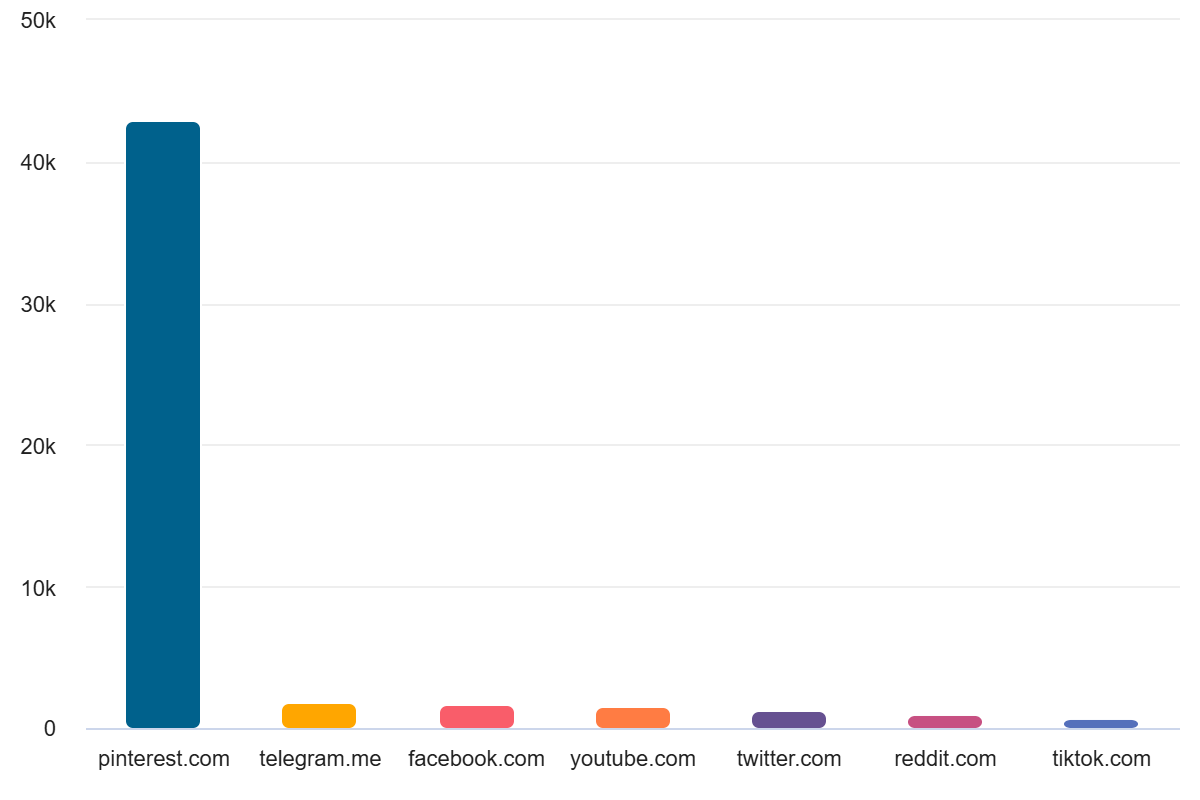
Looking at social media data via YouScan, we can see that “cherry vibes” are still mainly on Pinterest where users often highlight ‘cherry red’ in personal experiences and narratives for its emotional significance. It is frequently associated with nostalgia and personal expression, whether in the context of vehicles, fashion, or personal milestones. This colour evokes a sense of nostalgia, reminding individuals of past experiences and personal stories, making it a meaningful choice for many.
The network map of conversations around "cherry vibes" reveals a highly interconnected discussion driven by a mix of nostalgia, aesthetics, and lifestyle trends. At the centre, key influencers and media accounts are amplifying the term, with sub-communities branching off into distinct but related conversations. Some clusters focus on fashion and beauty, linking "cherry vibes" to early 2000s nostalgia, dopamine dressing, and retro-inspired makeup. Others engage with the concept through music, pop culture, or even food and beverage trends, reinforcing how vibes function as open-ended cultural touchpoints rather than rigid trends. The presence of smaller, tightly knit groups suggests that "cherry vibes" resonates with niche audiences who shape its meaning through personal interpretation, further underscoring how broad aesthetic moods are replacing fast-moving microtrends.
The cherry vibe taps into the nostalgia of the 1950s rockabilly and its revivals in the late 1990s/early 2000s, as well as in the mid-2010s. This re-emergence coincides with consumers’ desire of escapism and authenticity. It's not just about wearing cherry prints or applying cherry-flavoured lip balm, it’s about combining the comfort of nostalgia with sensory and emotional experiences. It’s "niche at scale"; an aesthetic that can be both deeply personal and widely appealing without losing its authentic core.
Image by Alexavier Rylee Cimafranca via Pexels
Looking ahead, the cherry vibe seems poised to transcend the typical trend cycle, establishing itself as a more enduring movement that bridges past and present. Unlike the "mob wife" aesthetic that Vogue Business notes was criticized as an industry plant, or the fleeting nature of "cores" that dominated social media, cherry vibes tap into something more fundamental: our collective desire for sweetness, authenticity, and emotional connection in an increasingly digital world.