How to Incorporate Pop Culture into Your Marketing Strategy
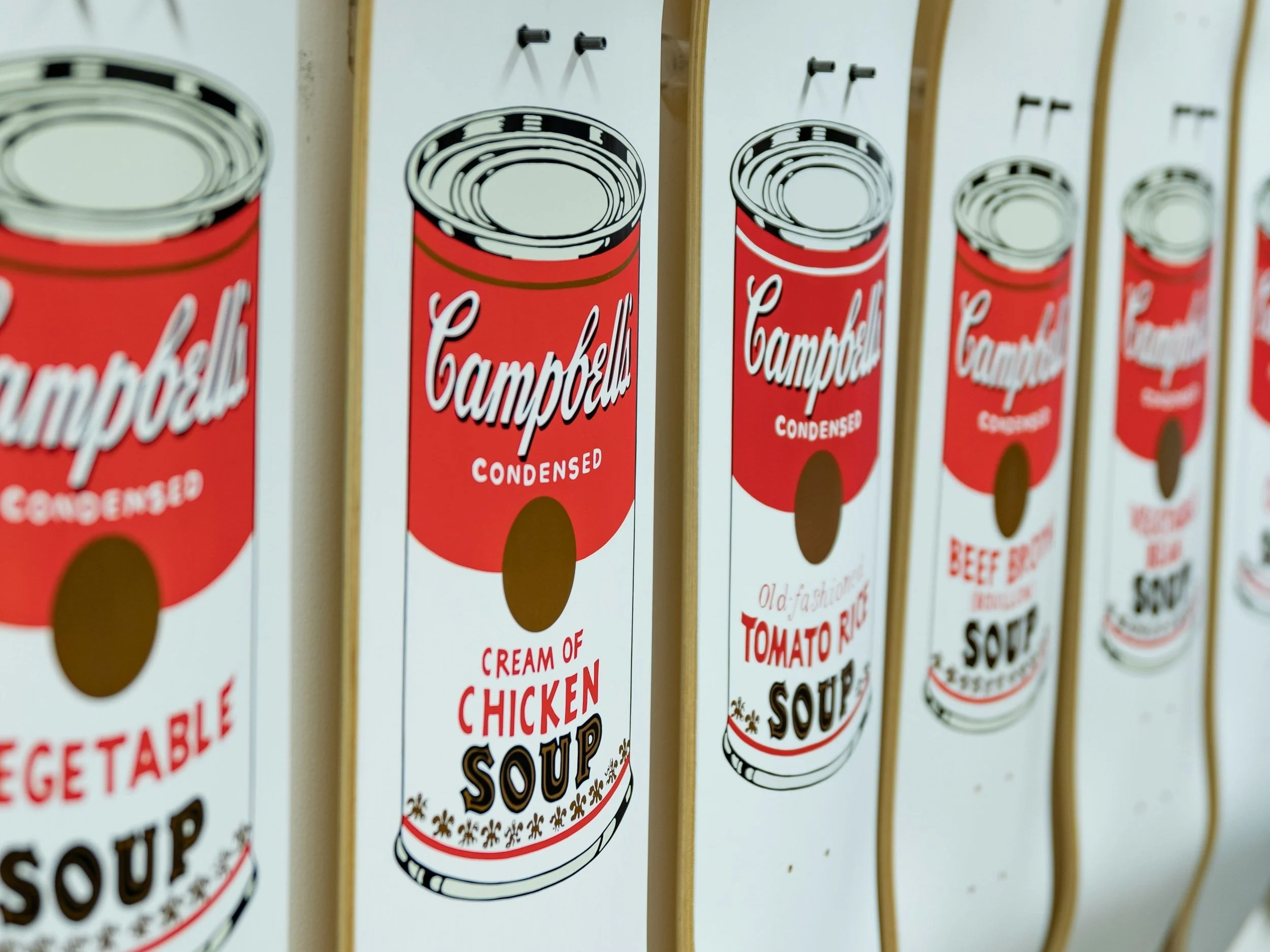
A row of skateboards with Andy Warhol's Campbell's Soup art printed on them/ Photo by Photo by Jean-Philippe Delberghe on Unsplash
Imagine harnessing the magic of Hogwarts, the thrill of the Avengers assembling, or the nostalgia of Friends’" Central Perk in your marketing strategy. Incorporating pop culture into your marketing strategy can be a powerful tool to reach, engage and connect with your audience.
Pop culture, encompassing music, movies, television shows, fashion, memes, and social media trends, offers a shared language and common ground that can resonate deeply with consumers.
Last year’s Barbenheimer phenomenon saw numerous licensing deals with Mattel, such as a limited-edition Balmain x Barbie collection hoodie, retailing for $1,350. We also saw a plethora of brands jumping on the pink bandwagon. Millennial-pink cosmetics brand Glossier used the “Hi Barbie” audio clip in TikTok posts featuring several of its beauty products.
Let us dive into why and how you can leverage pop culture effectively.
1. Content Visibility & Traffic
Pop culture references allow brands to tap into trending topics and conversations. By aligning your content with what people are already discussing, you increase the chances of capturing their attention.
Example: during the Friends Reunion in May 2021, KitKat joined the conversation by referencing the show. Although KitKat might not be directly related to Friends, being part of the buzz helped increase its visibility.
To effectively use pop culture, it is crucial to stay updated with current trends and events. This involves monitoring social media platforms, news outlets, and entertainment sources. Tools like Google Trends, X/Twitter hashtags, and social listening platforms can help you stay in the loop.
2. Relatability & Connection
The first step is understanding your target customer. What kind of pop culture references are they likely to resonate with? Pop culture icons become popular because they resonate with a wide audience. By incorporating these references, brands can show they share common ground with their customers.
Example: When Louis Vuitton and Adidas both featured Korean model and actor HoYeon Jung from the hit Netflix K-drama Squid Game in their advertisement campaigns, they capitalized on the show’s popularity to connect with fans and boost brand relevance.
Knowing your audience is essential to selecting the right pop culture elements. Conduct research and monitor trend to identify and understand what is currently capturing people’s attention. This ensures that your references will resonate and not alienate your audience. Whether it is a TV show, meme, or celebrity, find ways to tie it back to your brand.
Example: Tesla shorts, Dunkin’ joggers, and McDonald’s chicken nugget pillows are examples of promotional products that leveraged pop culture imagery effectively.
3. Be Authentic and Respectful
Referencing trending topics can show that you are in touch with current events and can make your brand appear more youthful and relevant.
Authenticity is key in leveraging pop culture. Forced or insincere references can backfire, making your brand appear out of touch. Ensure that your use of pop culture aligns with your brand values and voice.
Additionally, be respectful and sensitive to cultural nuances to avoid controversy.
4. Integrate Seamlessly with Your Brand
Monitor trends and identify what is currently capturing people’s attention. Whether it is a TV show, meme, or celebrity, find ways to tie it back to your brand.
Example: Oreo’s Game of Thrones-inspired title sequence garnered over 1 million views on YouTube. By combining pop culture with their brand, Oreo created content that resonated with fans.
Align pop culture references with your brand values. Consider what your brand stands for and choose references that resonate with those values. For example, if your brand emphasizes creativity, tie it to a popular artist or creative trend.
For example, Nike's collaboration with Stranger Things featured 1980s-inspired trainers, aligning perfectly with both the show's nostalgic appeal and Nike's brand heritage.
5. Engage Through Multiple Channels
Use a multi-channel approach to amplify your pop culture campaigns. Social media, email marketing, content marketing, and even in-store promotions can be synchronized to create a cohesive and immersive experience.
Example, Old Spice's "The Man Your Man Could Smell Like" campaign successfully utilized television commercials, social media, and interactive online content to create a comprehensive and engaging marketing effort.
Pop culture references can spark conversation and make your brand seem more relatable. When a brand uses humour or a relatable reference, it creates a more human connection with the audience. Use memes, GIFs, and viral content to engage your audience and create shareable content.
Example: Wendy’s witty X/Twitter clapbacks at competing brands are a great example of leveraging pop culture for engagement4.
6. Measure and Adjust
Pop culture trends move fast. Be sure to monitor current events, social media conversations, and trending topics to stay relevant. Continuously monitor the performance of your pop culture campaigns. Use metrics such as engagement rates, social media mentions, website traffic, and sales data to assess effectiveness. Be prepared to adjust your strategy based on what works and what does not.
Be timely - the lifespan of a pop culture moment can be short. Capitalize on trends while they are still relevant.