Unlocking the Power of Inclusive Marketing: The Impact of LGBTQ+ Representation in Media
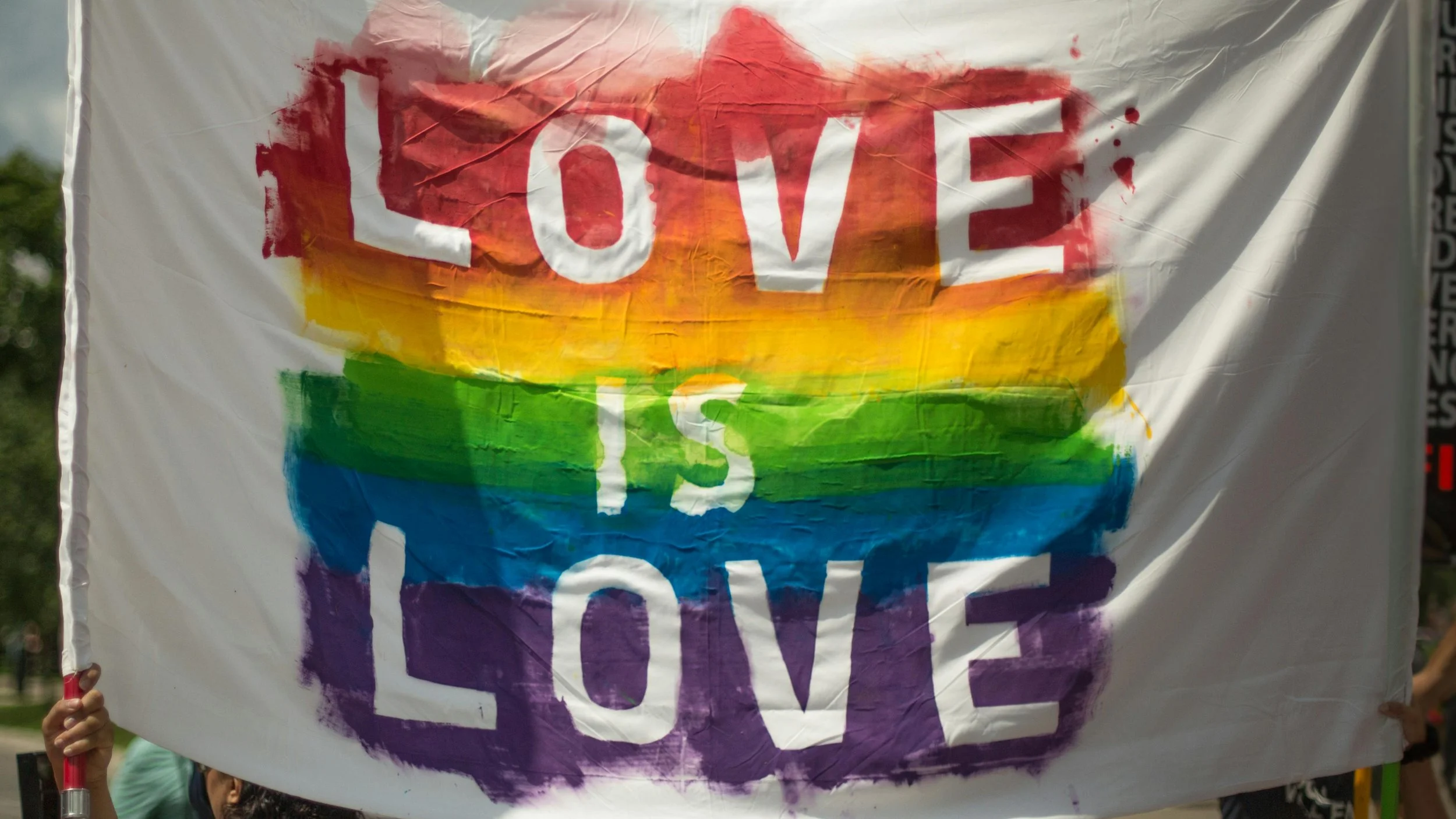
Photo by 42 North via Pexels
June is Pride month and that means we see a lot of rainbow-washing; from the M&S LGBT “Lettuce, Guacamole, Bacon and Tomato” sandwich to Listerine in a rainbow-coloured bottle. "Huge amounts of massive companies do just slap rainbows on their products and sell them at a higher price," said Yan White, founder and director of social enterprise and not-for-profit Queer Emporium, in a BBC interview.
On the other side of the coin, Target is scaling back its Pride collection and won’t be available in all stores following last year’s controversy when they moved their Pride displays from the entrances to the back of stores after conservative activists vandalized displays. In a similar vein, Bud Light is still struggling after last year’s conservative blowback over a social media campaign with transgender influencer Dylan Mulvaney.
The Williams Institute’s Social Acceptance Index measured that in 56 of 175 countries and locations, acceptance of LGBTQ+ people has increased since 1980. And while LGBTQ+ representation in media has similarly improved over the past few decades, there is still room for improvement, especially in ensuring diverse and authentic representation across various platforms.
Media plays a vital role in shaping public perceptions and attitudes. According to GLAAD's 2023-2024 "Where We Are on TV" report, the percentage of LGBTQ+ characters on broadcast television is 8.6%, down from 11.9% in the previous year. GLAAD's report also points out the need for more nuanced and intersectional representation. Many LGBTQ+ characters are still predominantly white, cisgender, and male. This narrow portrayal does not reflect the diverse experiences within the LGBTQ+ community, underscoring the need for broader and more authentic representation.
Audiences want LGBTQ stories, particularly younger ones. WPP’s “Beyond the Rainbow” 2022 study found that 93% of LGBTQ+ 18–24 year olds and 85% of non-LGBTQ+ 18–24 year olds actively seek out queer media.
Here are strategies to avoid the rainbow-washing traps and be an ally to the LGBTQ+ community in your marketing:
1. Understand and Segment the LGBTQ+ Audience
To create inclusive media strategies, marketers must first understand the diversity within the LGBTQ+ community. This involves recognizing various subgroups based on factors such as race, gender identity, age, and socioeconomic status. Utilizing audience segmentation tools can help marketers identify and reach specific LGBTQ+ subgroups more effectively.
2. Prioritize Authentic Representation
Authentic representation goes beyond mere inclusion; it requires telling stories that resonate with the lived experiences of LGBTQ+ individuals. Marketers should partner with LGBTQ+ creators and consultants to ensure that their campaigns accurately reflect the community's diversity and nuances. Avoid stereotypes and strive for portrayals that capture the complexity and richness of LGBTQ+ identities.
3. Invest in LGBTQ+ Media Platforms
Supporting LGBTQ+ media platforms is a tangible way to promote inclusivity. Advertising on LGBTQ+-focused channels, websites, and publications helps sustain these important platforms while reaching a dedicated and engaged audience. Marketers should allocate a portion of their budget specifically for LGBTQ+ media buys, ensuring consistent support and visibility.
4. Collaborate with LGBTQ+ Influencers
Influencers play a significant role in shaping public perceptions and driving engagement. Partnering with LGBTQ+ influencers can enhance the authenticity and reach of marketing campaigns. Influencers bring personal experiences and credibility that can make campaigns more relatable and impactful.
5. Measure Impact and Adapt Strategies
Inclusivity in media planning is an ongoing process that requires continuous evaluation and adaptation. Marketers should track the performance of their campaigns using metrics that go beyond traditional KPIs, such as audience sentiment and engagement within the LGBTQ+ community. Regularly seeking feedback from LGBTQ+ audiences can provide valuable insights for improving future efforts.
6. Foster an Inclusive Company Culture
An inclusive media strategy should reflect an inclusive company culture. Marketers need to ensure that their organizations value diversity and inclusion at all levels. This includes offering training on LGBTQ+ issues, promoting diversity within teams, and actively supporting LGBTQ+ initiatives both internally and externally.
While progress has been made in LGBTQ+ representation in media, there is still a need for more authentic, intersectional, and diverse portrayals. Marketers have a crucial role to play in driving this change by adopting inclusive media planning and buying practices. By understanding the LGBTQ+ audience, prioritizing authentic representation, investing in LGBTQ+ media platforms, collaborating with influencers, measuring impact, and fostering an inclusive company culture, marketers can contribute to a more inclusive media landscape that reflects the true diversity of the LGBTQ+ community.