In this week’s edition of Trends & Artefacts, we round up the snackable trends, stats and insights from around the world, including:
Half of Brits Happy Going Solo
Starbucks Brings Air-Whipped Espresso Stateside
Aldi Launches Jacket That Becomes Bag
Explainer: Electric Blue Wine
Older Millennials Lead Hobby Spending
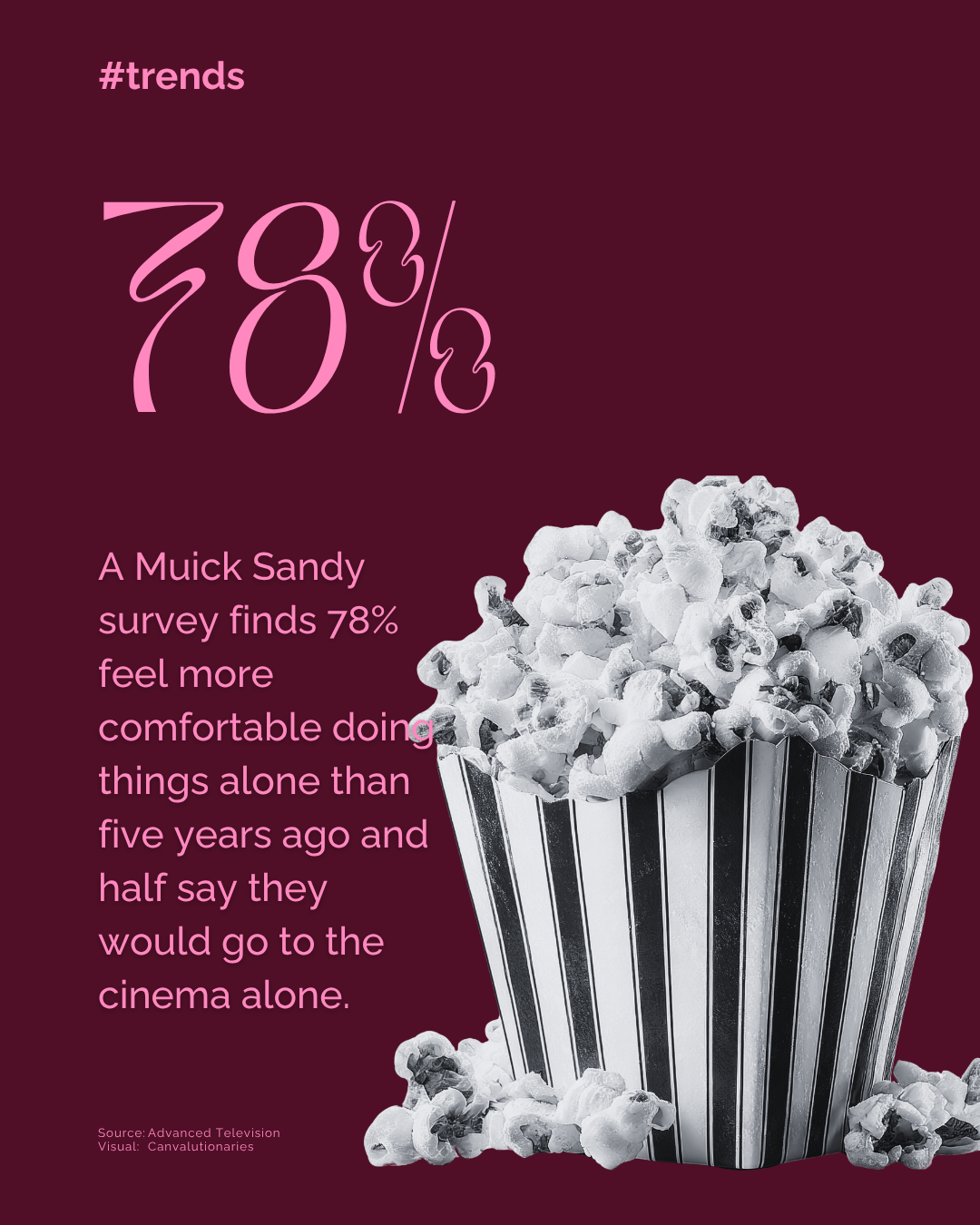
Half of Brits Happy Going Solo
A Muick Sandy survey finds 78% feel more comfortable doing things alone than five years ago and 72% have chosen to go solo even when someone was free to join. Half say they would go to the cinema alone. Barriers remain, with 22% citing a lack of confidence. If going solo becomes the default, how should shared experiences earn their place?
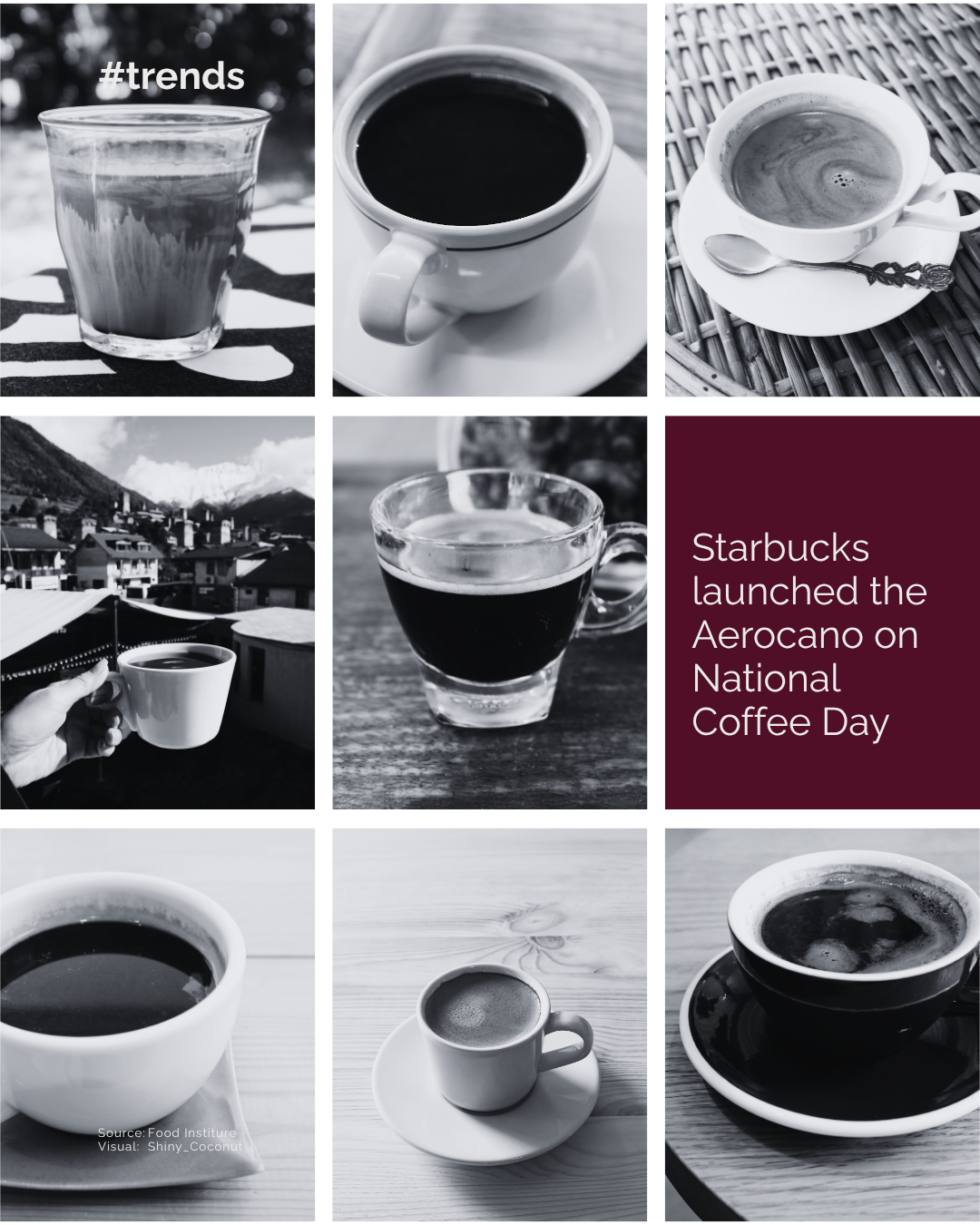
Starbucks Brings Air-Whipped Espresso Stateside
Starbucks launched the Aerocano on National Coffee Day, bringing a South Korean air-whipped iced espresso to the US. Its cascading foam looks as good as it tastes, and one consultant calls it an affordable treat for shoppers cutting back on big splurges. When a small upgrade is built to be photographed, is the drink or the post the product?
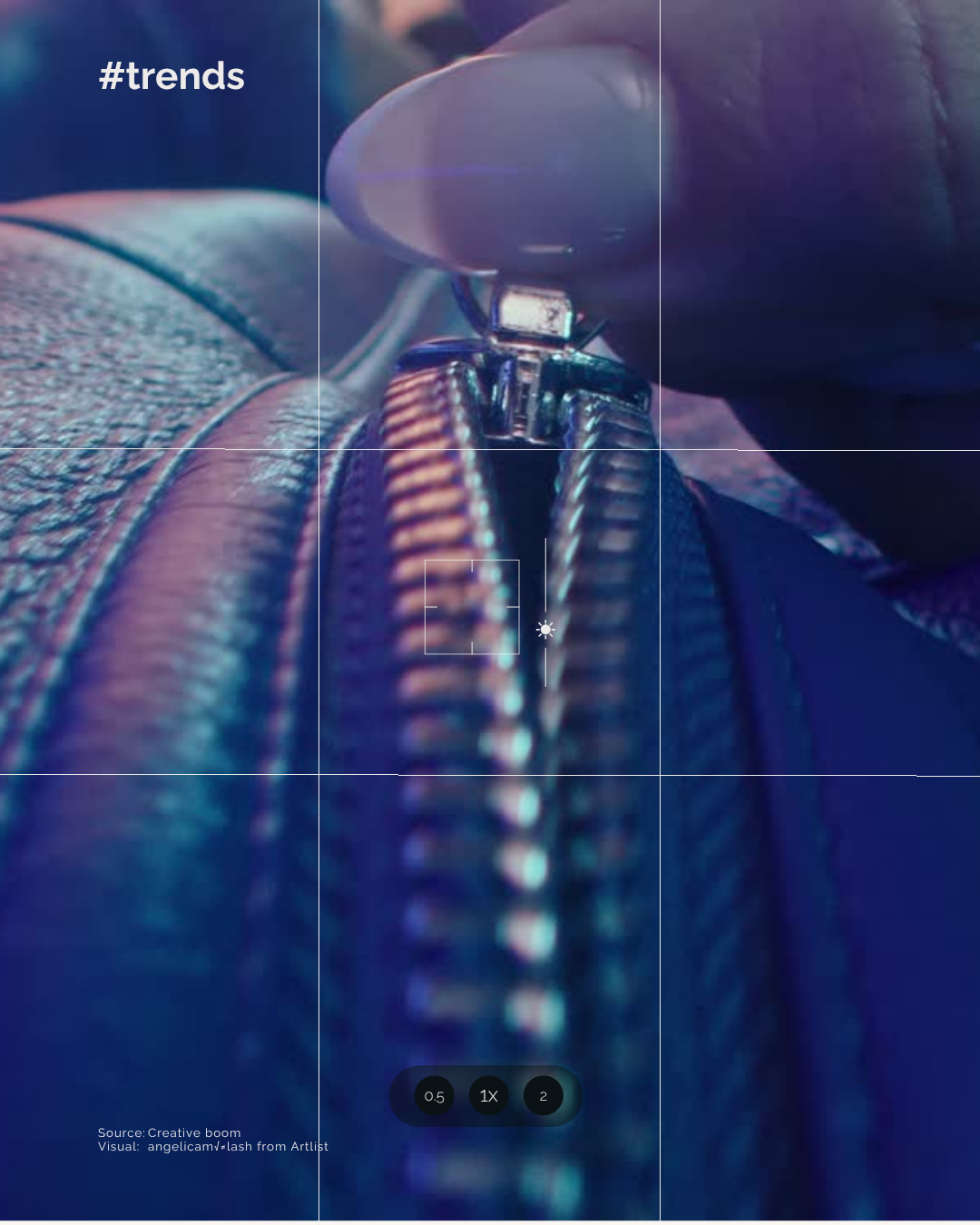
Aldi Launches Jacket That Becomes Bag
Aldi UK has made a waterproof bomber jacket that converts into a grocery bag in seconds, released via a limited giveaway. It follows research showing 85% of Brits keep a “bag of bags” and 47% buy another reusable bag monthly after forgetting theirs. When a habit keeps failing, do brands fix the behaviour or redesign around it?
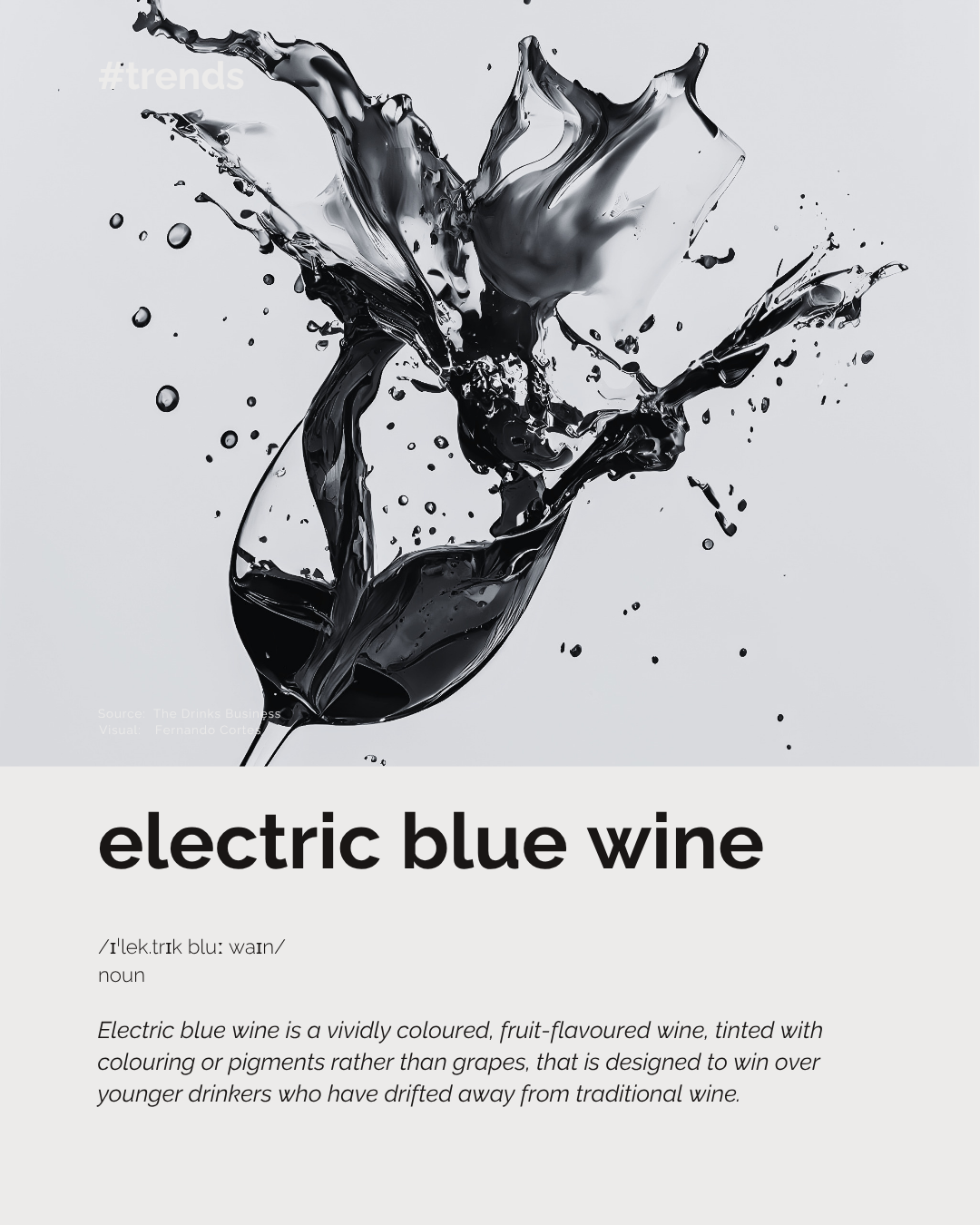
Explainer: Electric Blue Wine
Echo Falls Blue Raspberry went viral on launch and sold out before release, with over two million bottles sold since. Nearly half of its shoppers are under 34, in a year when UK wine consumption hit a record low. If wine borrows from vape flavours and sweets to win younger drinkers, what does tradition need to keep?
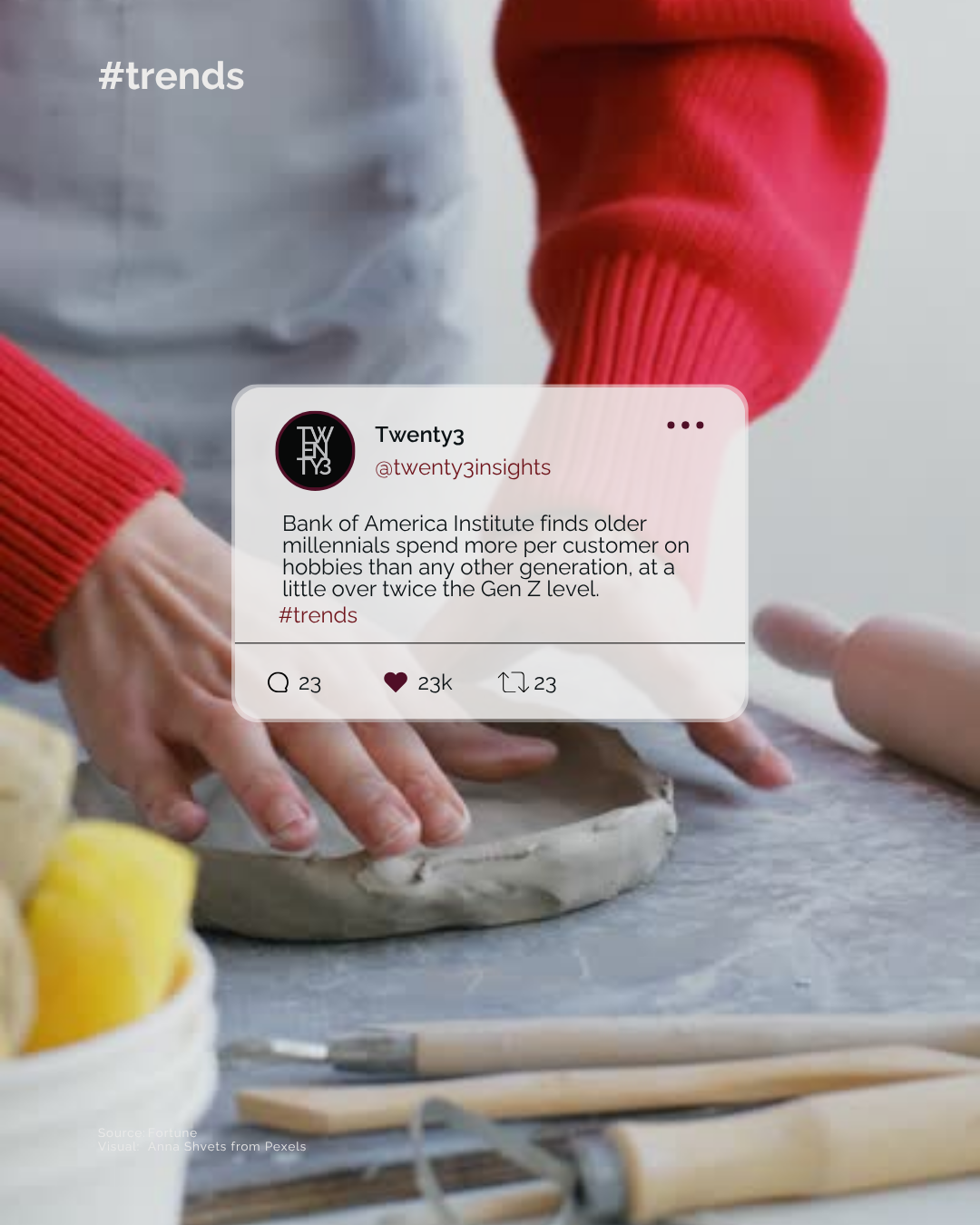
Older Millennials Lead Hobby Spending
Bank of America Institute finds older millennials spend more per customer on hobbies than any other generation, at a little over twice the Gen Z level. It mirrors a split in housing, though the data cannot show whether homeownership is the cause. If life stage shapes leisure spending, are brands designing for generations when they should be designing for ages?