Trends & Artefacts: hush trip edition
In this week’s edition of Trends & Artefacts, we round up the snackable trends, stats and insights from around the world, including:
Plant Diversity Hits Mainstream
Giftful Curates Teen Desire
IKEA Launches Peer Marketplace
Explainer: Hush Trips
Pigeon Apps Miss The Point
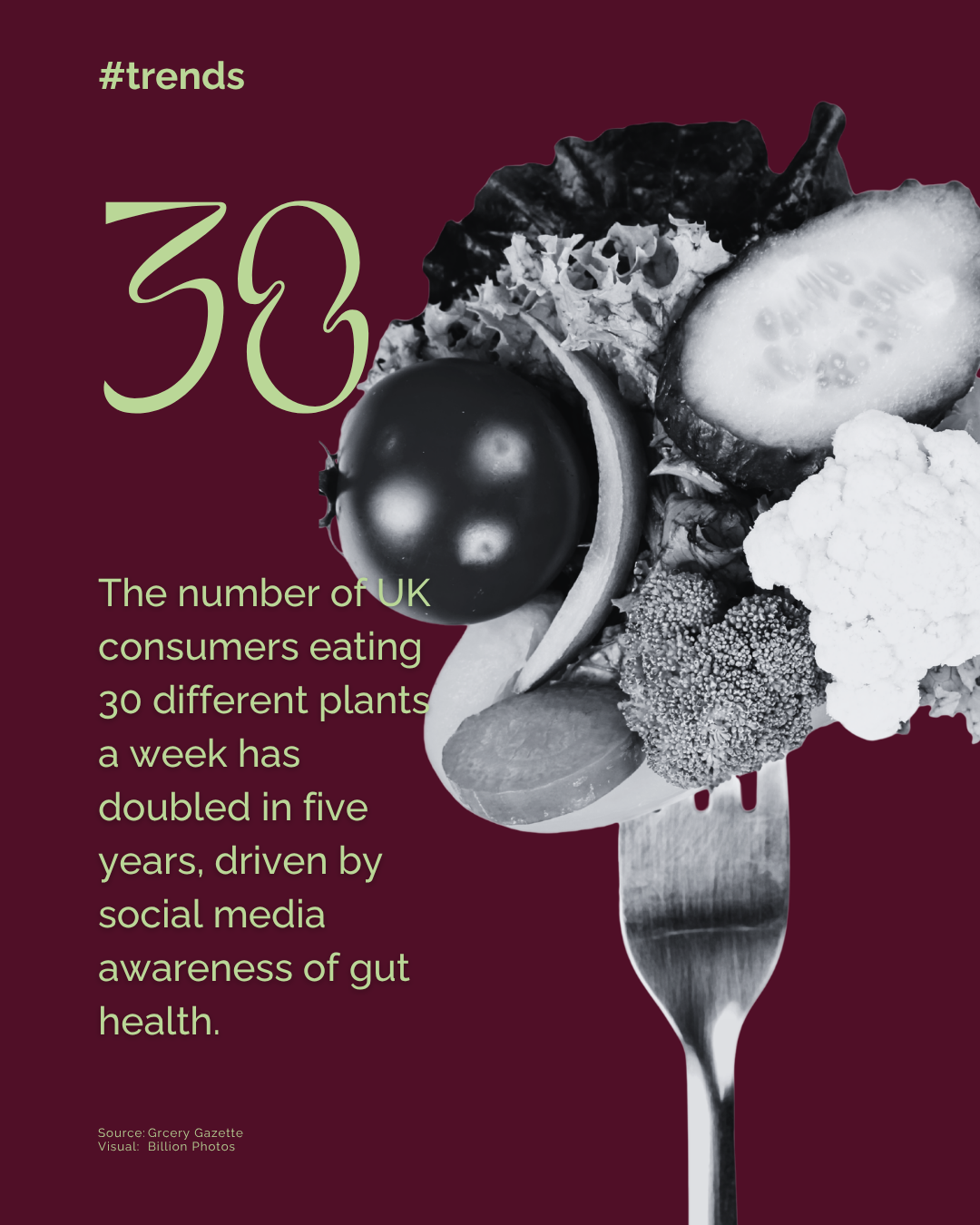
Plant Diversity Hits Mainstream
The number of UK consumers eating 30 different plants a week has doubled in five years, driven by social media awareness of gut health. Younger demographics and Londoners are leading this shift, with 70% of 25-34 year-olds actively seeking more variety. If fibre becomes a metric for wellness, how does this reshape the definition of a balanced diet?
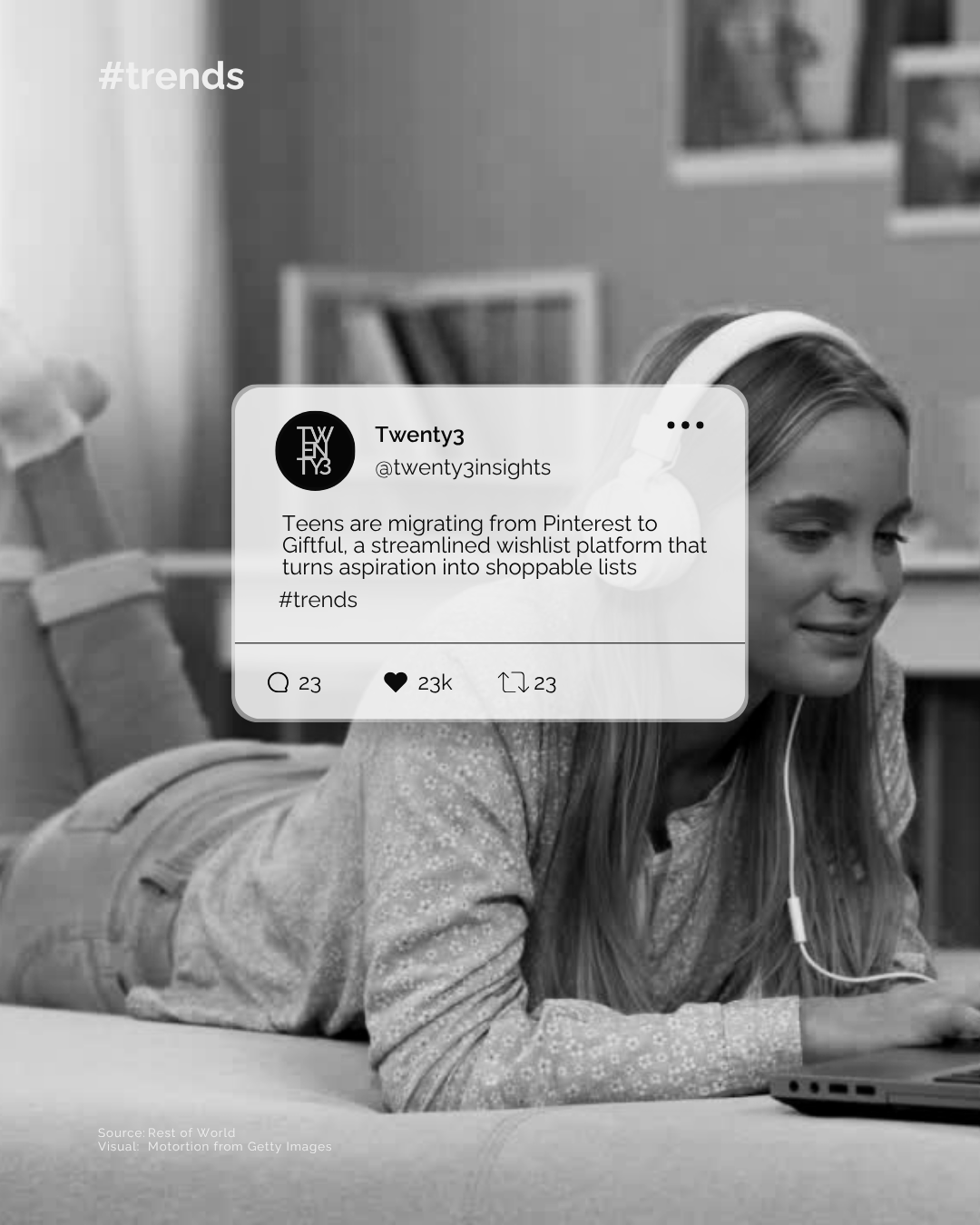
Giftful Curates Teen Desire
Teens are migrating from Pinterest to Giftful, a streamlined wishlist platform that turns aspiration into shoppable lists for every life event. By sharing curated tastes and tracking trends, users transform gift-giving into a social performance and a discovery engine. If every wish is public, does desire become less about need and more about aesthetic signalling?

IKEA Launches Peer Marketplace
IKEA is bringing its second-hand peer-to-peer marketplace to the UK later this year, allowing Family members to buy and sell pre-loved items directly. This moves beyond their Buy Back scheme to create a closed loop for historic and current products, excluding only food, mattresses and appliances. When brands facilitate resale, do they protect value or just capture convenience?
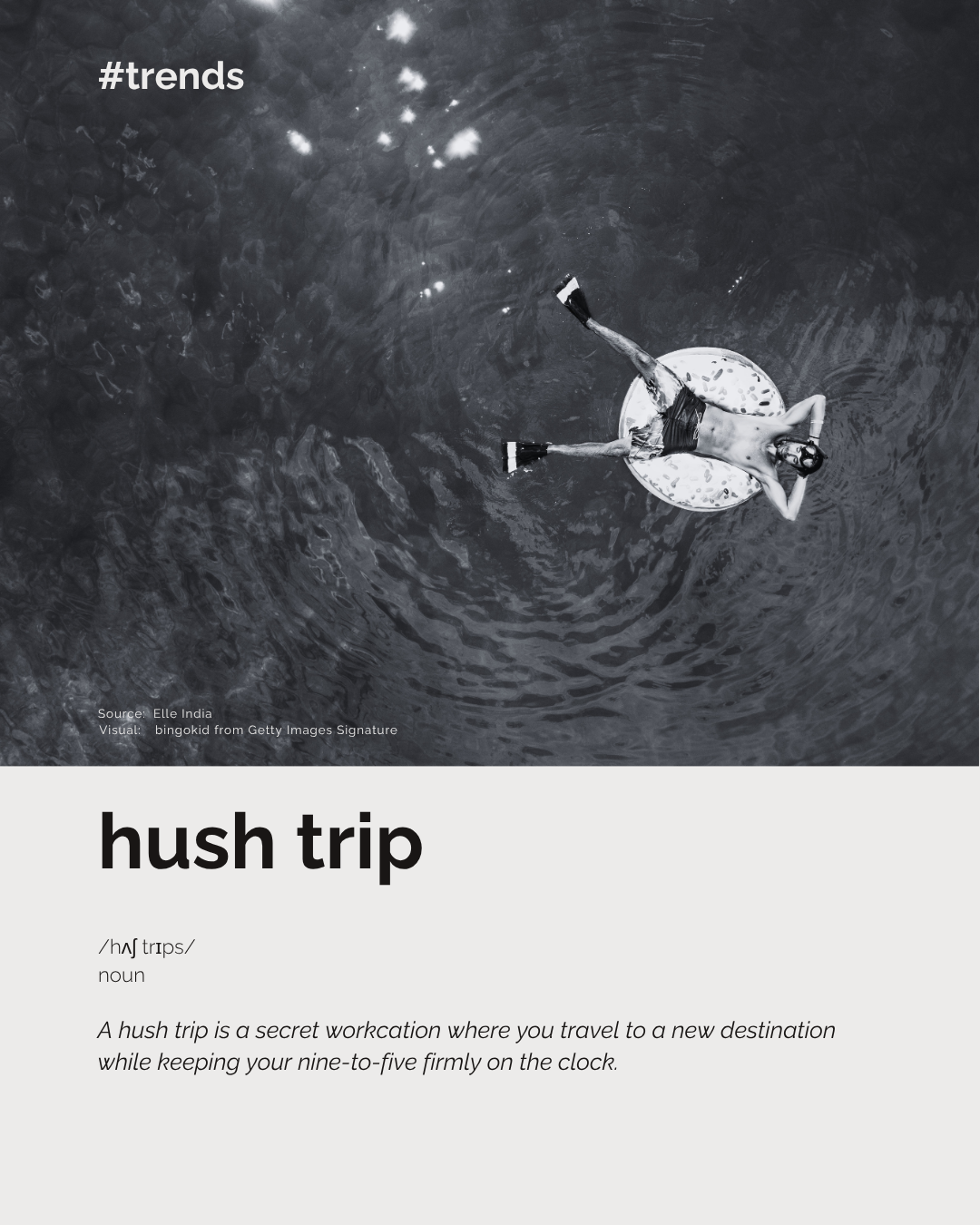
Explainer: Hush Trips
Employees are secretly working from holiday destinations to extend trips without using annual leave, blending workcations with undisclosed travel. This trend highlights a desire for lifestyle integration but risks breaching data security policies and eroding trust with employers. If the office is everywhere, where does the holiday actually begin?
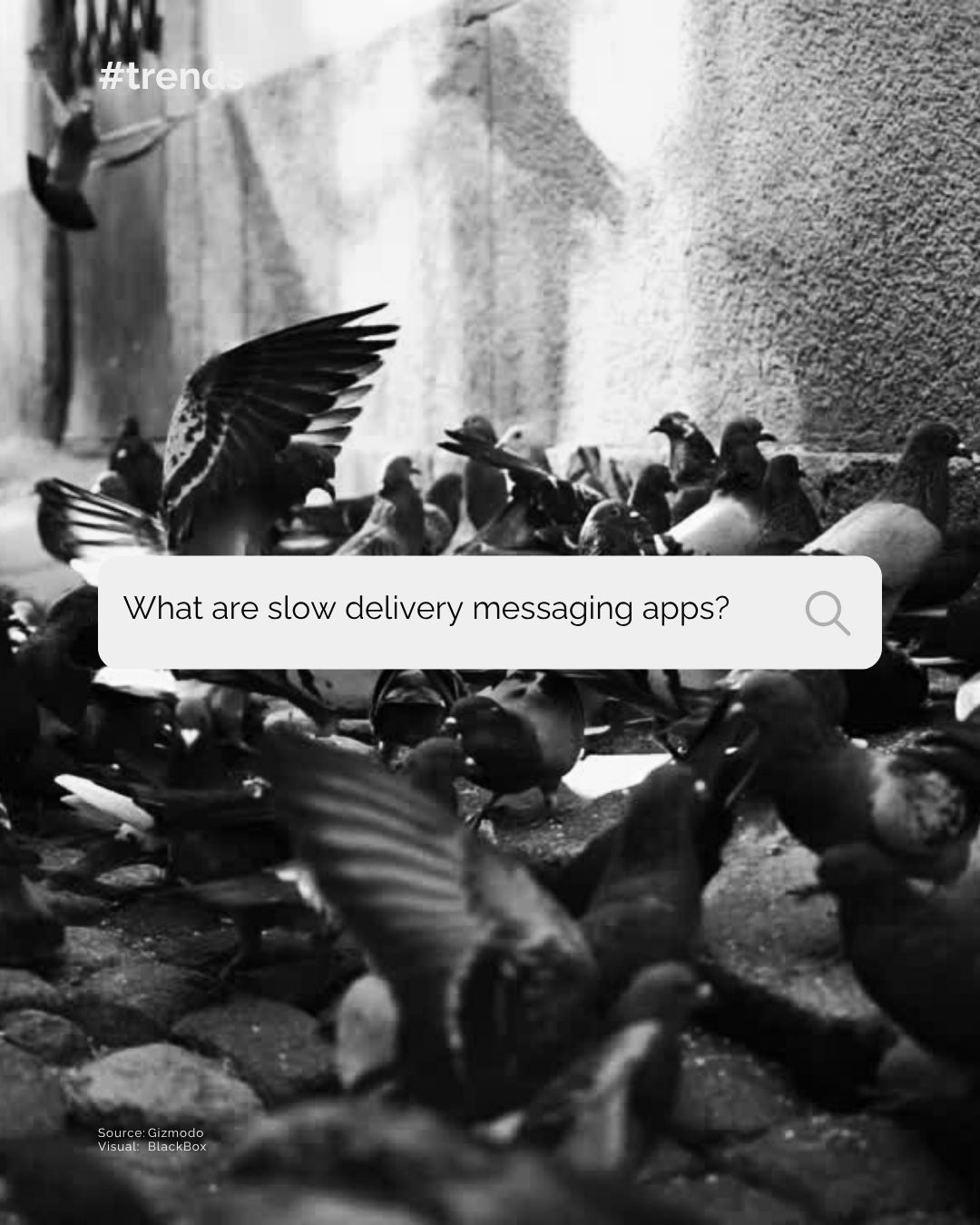
Pigeon Apps Miss The Point
New messaging apps like Carrier Pidge simulate slow delivery with cute animals, but misunderstand how homing pigeons actually worked. Unlike standard mail, pigeons only return to their home roost, requiring users to physically distribute birds to create a two-way network. If we want authentic slowness, should digital tools mimic biological constraints rather than just adding delay?