Trend Taster: city or not city edition
In this week’s edition of the Trend Taster, we round up the snackable trends, stats and insights from around the world, including:
travel surge
quiet vacationing
city or not city
travel agent revival
Gen Z spending
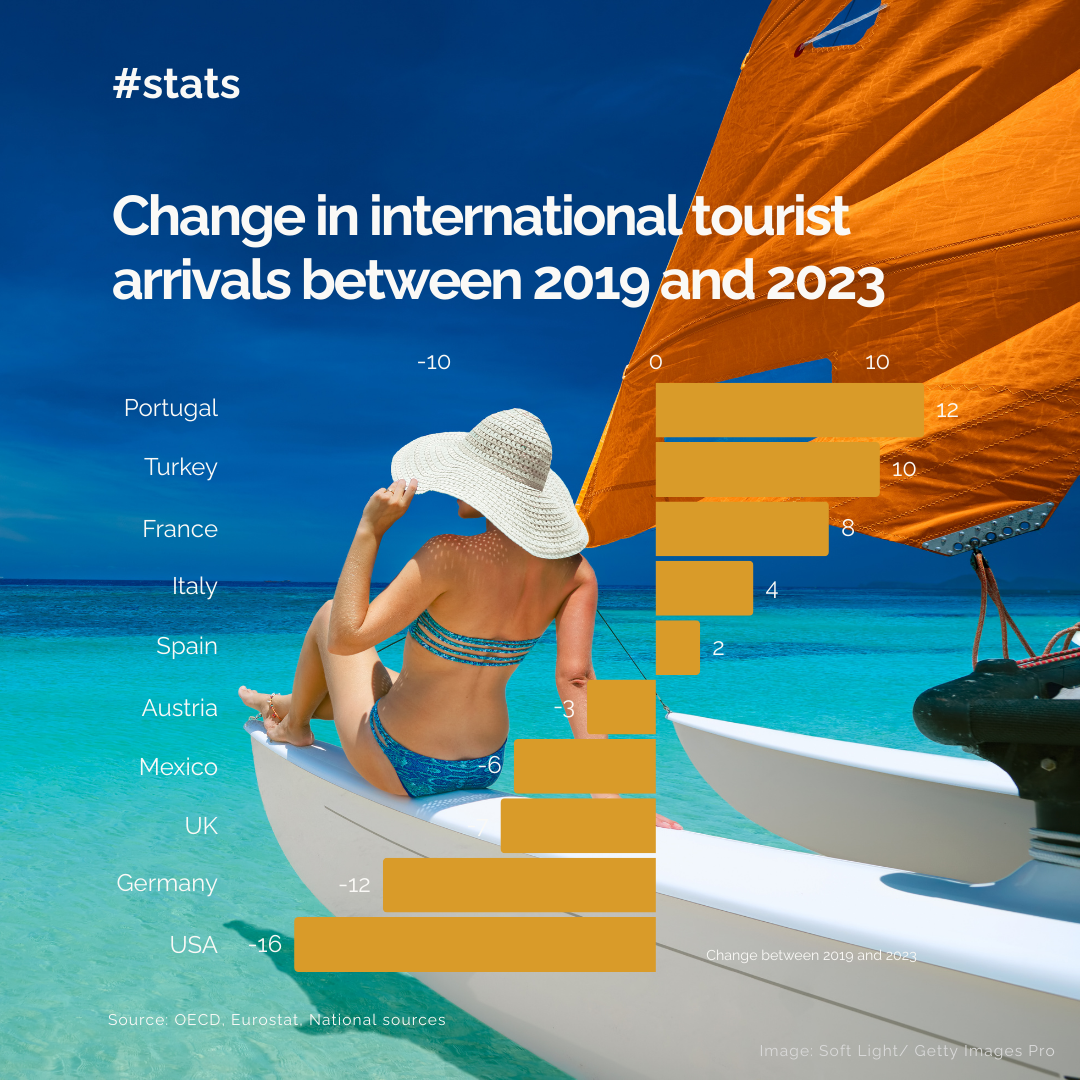
Southern Europe travel surge
With the Northern Hemisphere's summer holiday season in full swing, Southern Europe expects a busy season as tourists flock to its beaches. Spain, Italy, and France are seeing a surge in visitors, surpassing pre-pandemic numbers. Last year, 1.3 billion people travelled internationally, still 10% below 2019 levels but over 200% up from 2020. The OECD reports uneven recovery, with Europe benefiting from strong intra-European and American travel, while U.S. inbound travel remains 16% below pre-pandemic levels due to the strong dollar.
What is quiet vacationing?
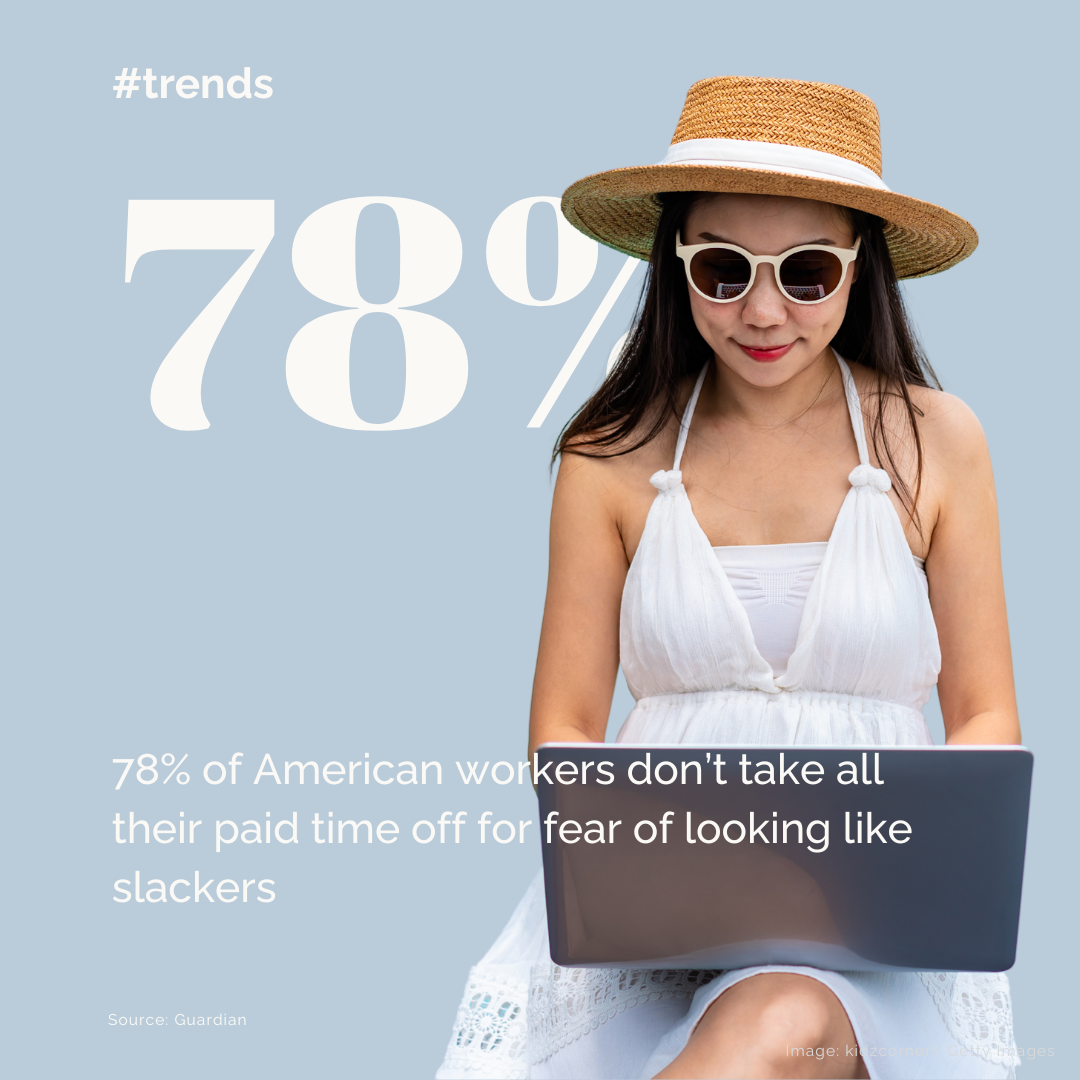
Quiet vacationing, taking time off without informing your boss, reflects a toxic work culture. In the US, 78% of workers don't use all their paid time off, fearing they'll appear lazy. A Harris poll found that 76% of workers wish their workplace valued regular breaks and utilizing paid time off more and nearly 40% of millennials take time off without telling their manager. Many schedule messages to appear as if they're working overtime. #trends

City or not city?
A viral Chinese-English phrase, "city 不 city啊?" (city or not city), humorously divides life into "city" and "not city," with "city" meaning stylish or trendy. Originating from Shanghai-based Paul Mike Ashton (@bao_bao_xiong_), it has inspired travel promotions and posts by celebrities like Lang Lang and Zhou Yutong, celebrating Chinese culture with a playful, universal appeal.
Travel agent revival
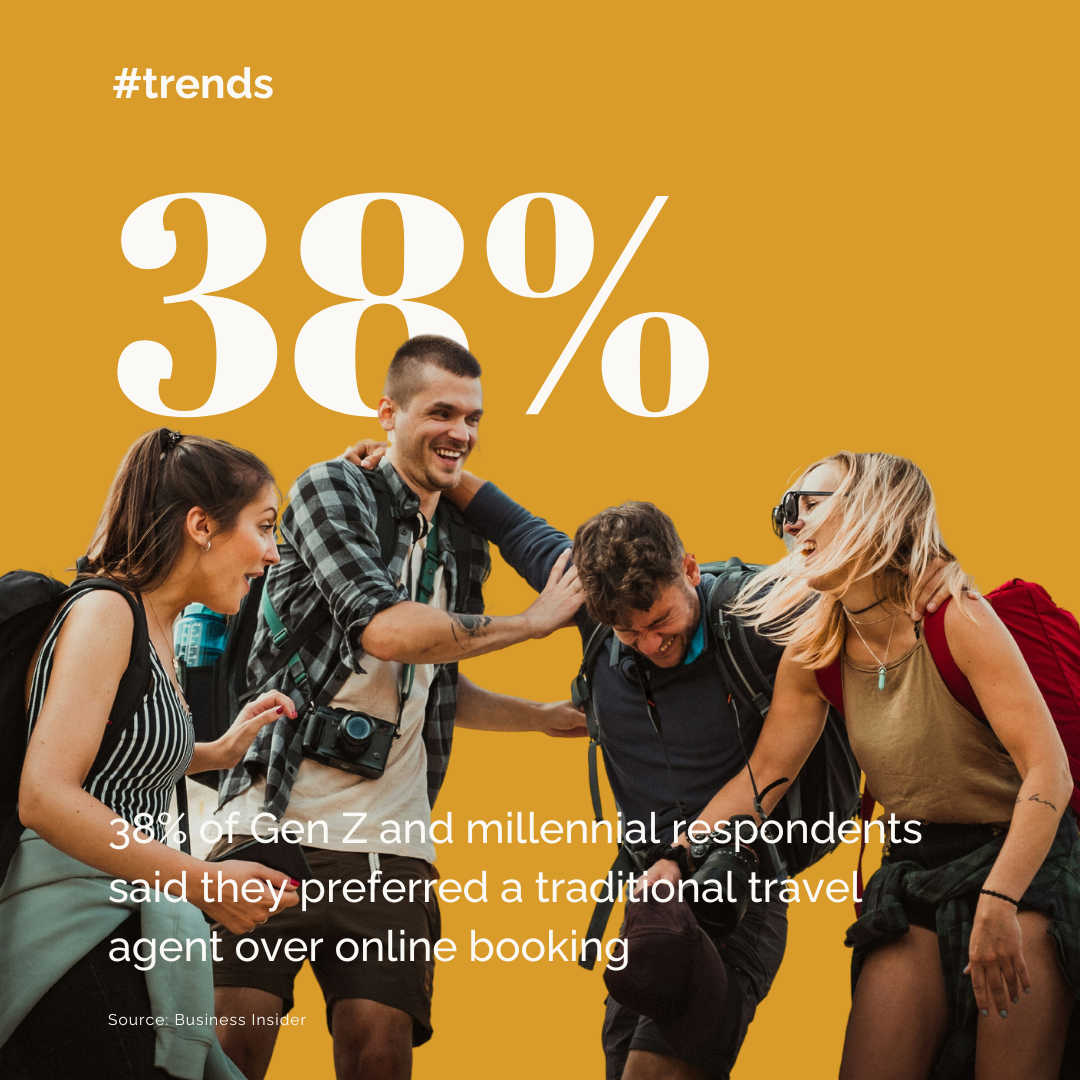
Travelers are rediscovering the value of travel agents, reversing a trend that once suggested their obsolescence. Since the industry's mid-'90s peak, the number of travel agents had halved by 2014, with predictions of further decline. However, by 2021, 76% of advisors reported an increase in customers compared to pre-pandemic levels. A 2023 survey of 2,000 American travellers revealed that 38% of Gen Z and millennial respondents preferred traditional travel agents over online booking platforms, a sentiment shared by only 12% of Gen Xers and 2% of baby boomers.
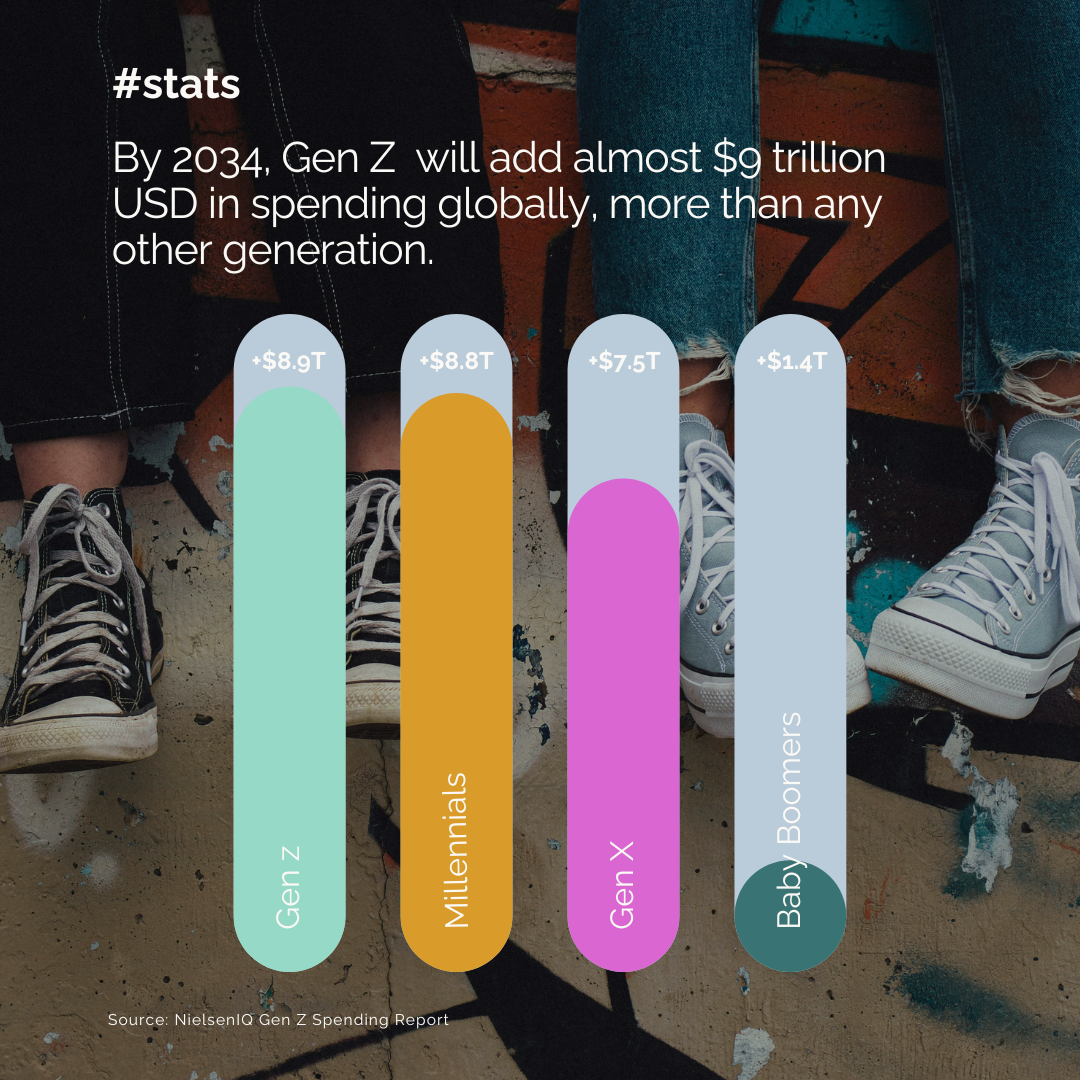
Gen Z $57.6 trillion USD spending
According to NielsenIQ’s Gen Z Spending Report, Gen Z emerges as the wealthiest generation at its current life stage compared to previous generations, bolstered by income advantages. Gen Z currently represents about 17.1% of the global spend totalling $57.6 trillion USD, a figure expected to rise to 18.7% by 2030 as global spending reaches $67.2 trillion USD. By 2034, Gen Z is projected to contribute nearly $9 trillion USD to global spending, surpassing all other generations in economic impact.