Trends & Artefacts: catch-up culture edition
In this week’s edition of Trends & Artefacts, we round up the snackable trends, stats and insights from around the world, including:
Young News Audiences Want Both Information and Entertainment
Fluffy Juice Brings Texture to the Glass
Cassette Players Are Back, With Bluetooth
Explainer: catch-up culture
Menswear Is Getting Softer and More Expressive
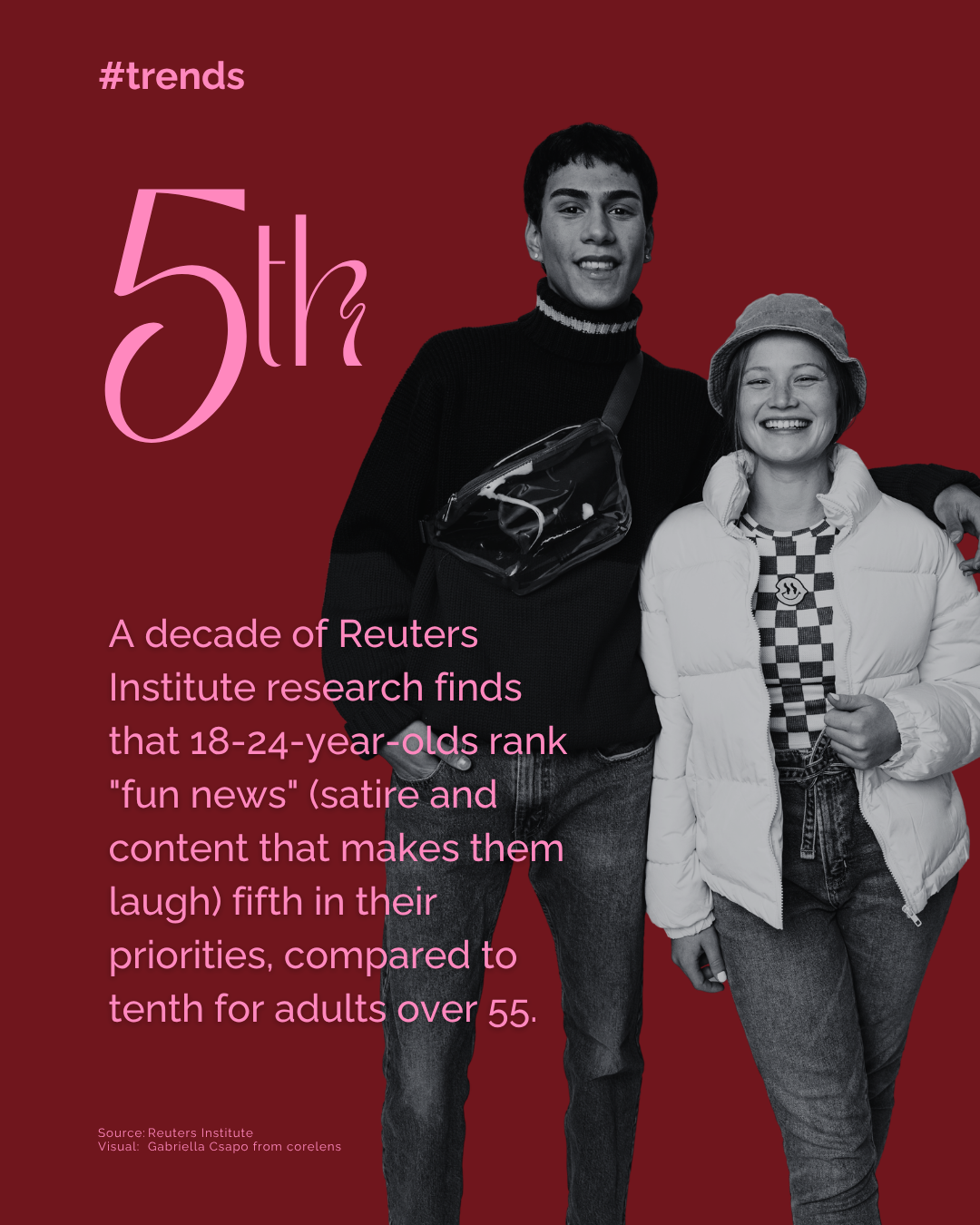
Young News Audiences Want Both Information and Entertainment
A decade of Reuters Institute research finds that 18-24-year-olds rank "fun news" (satire and content that makes them laugh) fifth in their priorities, compared to tenth for adults over 55. Young audiences also want news that makes them feel better about the world, not just informed about it. If entertainment and information are arriving on the same platforms simultaneously, is the distinction between them still a meaningful editorial category?
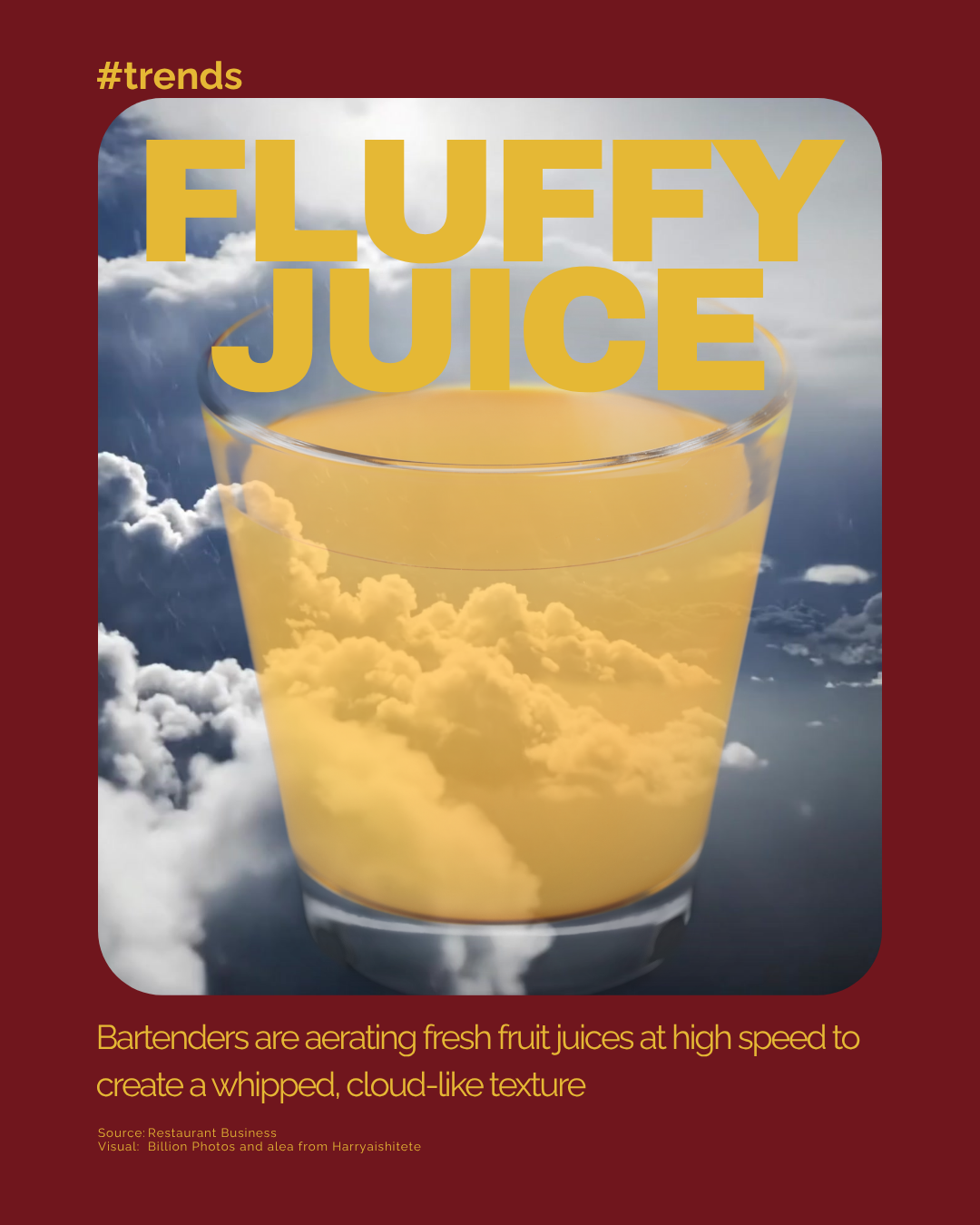
Fluffy Juice Brings Texture to the Glass
Bartenders are aerating fresh fruit juices at high speed to create a whipped, cloud-like texture, a technique traced back to the Garibaldi at New York's Dante bar, where fluffy orange juice meets Campari. The method is now spreading to grapefruit, pineapple, and watermelon, with fluffy sodas following close behind. When flavour alone no longer differentiates a drink, is mouthfeel becoming the new competitive edge on a menu?
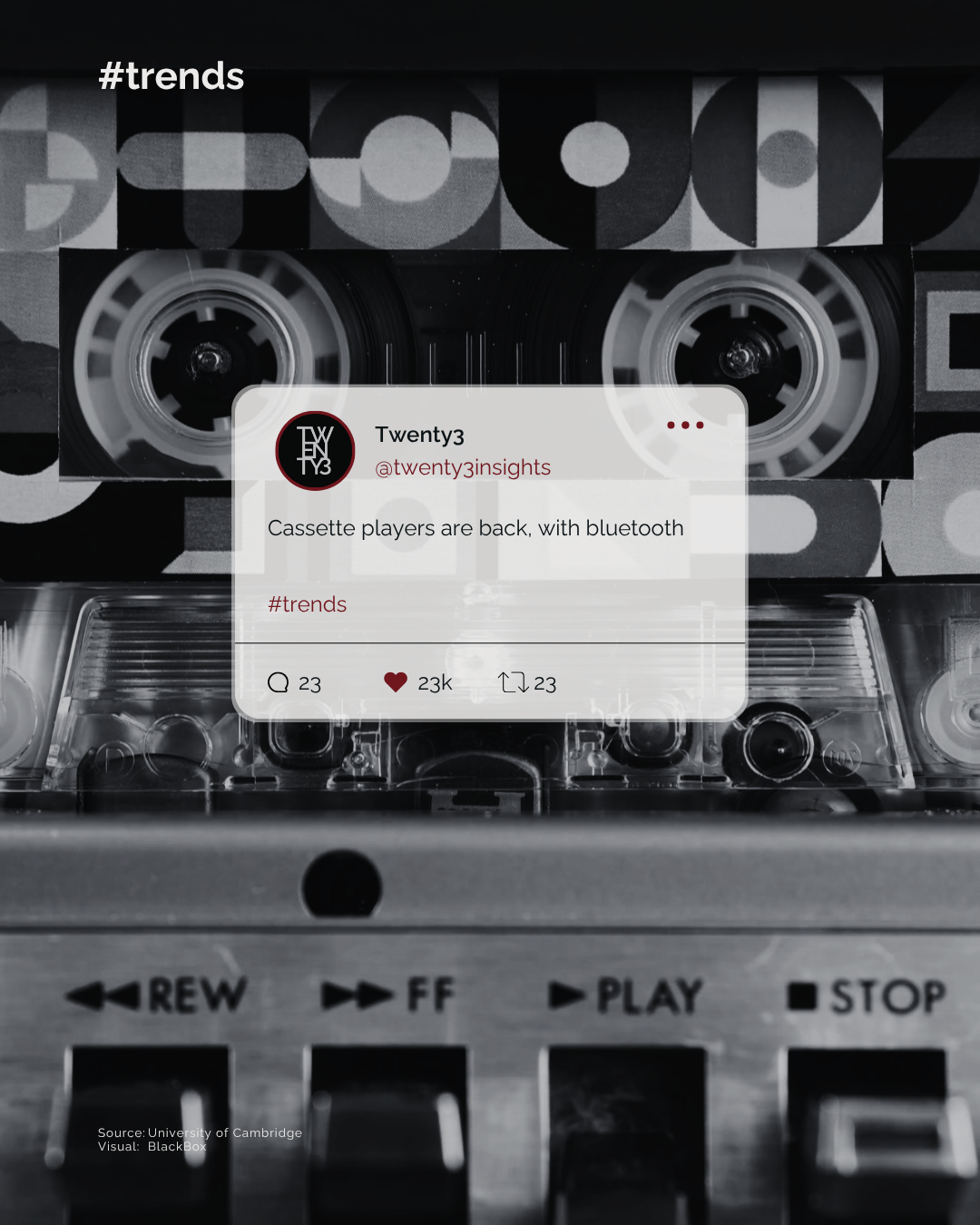
Cassette Players Are Back, With Bluetooth
A new wave of retro audio devices (cassette players and MP3 players styled like Walkmans, complete with transparent shells and oversized buttons) is selling on personality rather than specification. Streaming solved access but flattened the experience; these objects push back with tactility, colour, and commitment. When convenience has won completely, why do people keep reaching for the thing that makes listening feel like something?
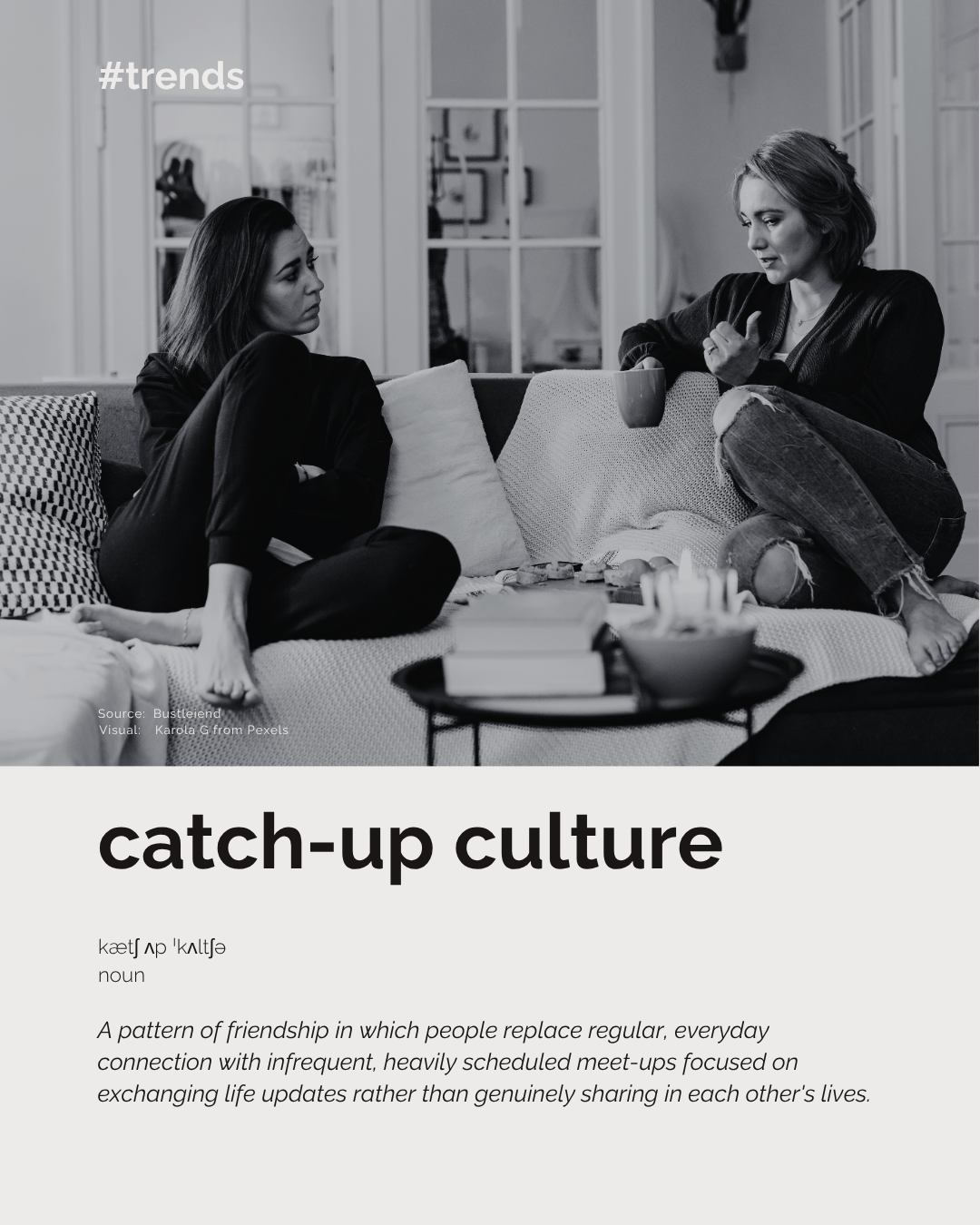
Explainer: catch-up culture
A growing conversation online is naming "catch-up culture": the pattern of seeing friends only for scheduled, highlight-reel updates rather than living alongside them. Psychotherapists note that infrequent, high-stakes hangouts build less intimacy than ordinary, repeated contact. If the friendship calendar has started to feel like a performance review, what does that say about how we've let convenience redesign closeness?
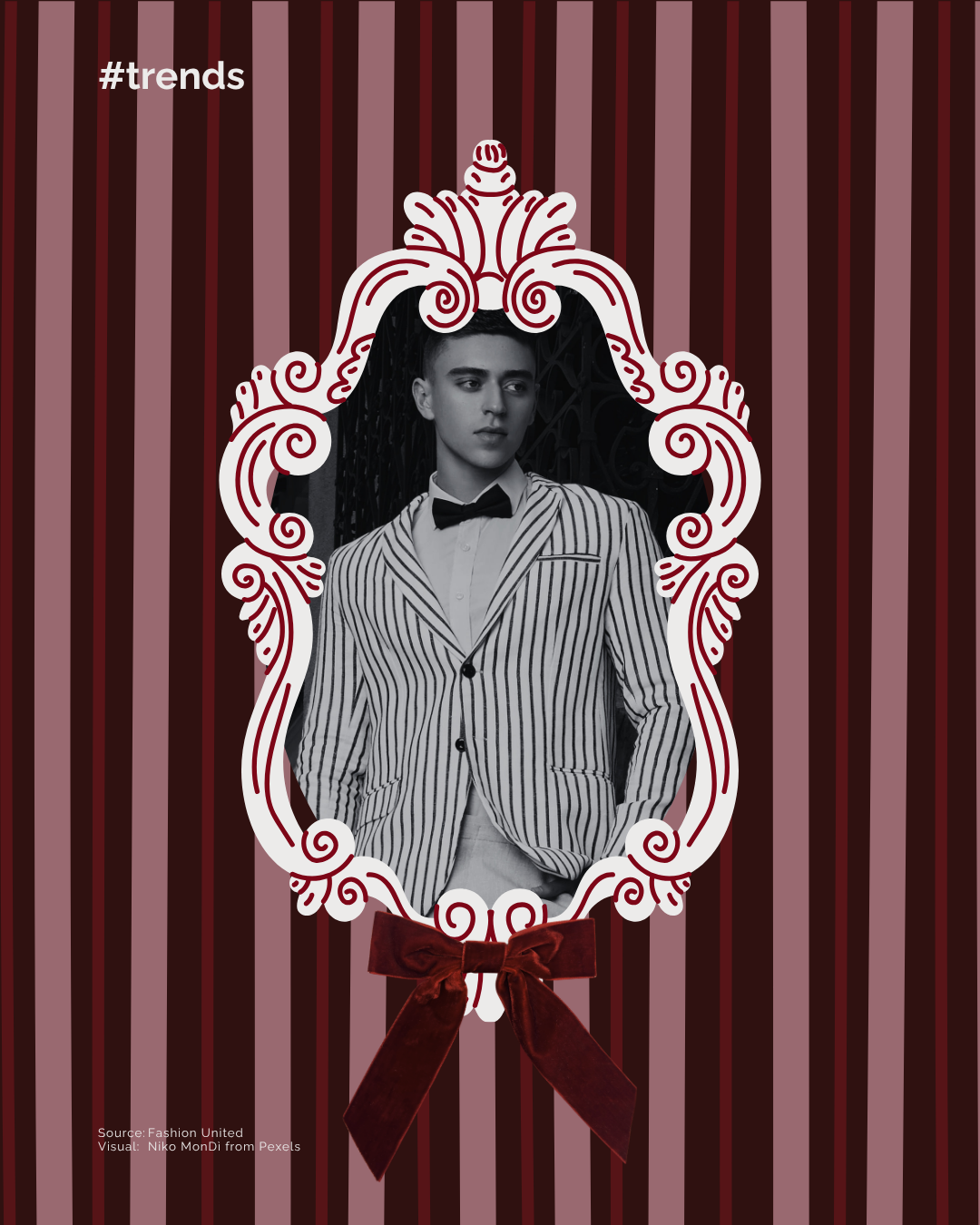
Menswear Is Getting Softer and More Expressive
More than half of Gen Z consumers prefer brands offering gender-neutral options. The direction isn't androgyny as provocation. It's what one analyst calls "romantic realism": softer silhouettes, artisanal texture, and emotional register replacing the restrained utility that has defined menswear since the 18th century. If the male wardrobe is quietly becoming more expressive, which part of your brand's visual language is still speaking to a consumer who no longer exists?