Trends & Artefacts: anti-AI aesthetic edition
In this week’s edition of Trends & Artefacts, we round up the snackable trends, stats and insights from around the world, including:
Beauty Industry Adapts to GLP-1 Side Effects
Libby Users Learn to Spot AI Audiobooks
TikTok Teacher Lunch Sparks Butterkäse Shortage
Explainer: Anti-AI Aesthetic
Volkswagen Brings Physical Buttons Back to EVs
Beauty Industry Adapts to GLP-1 Side Effects
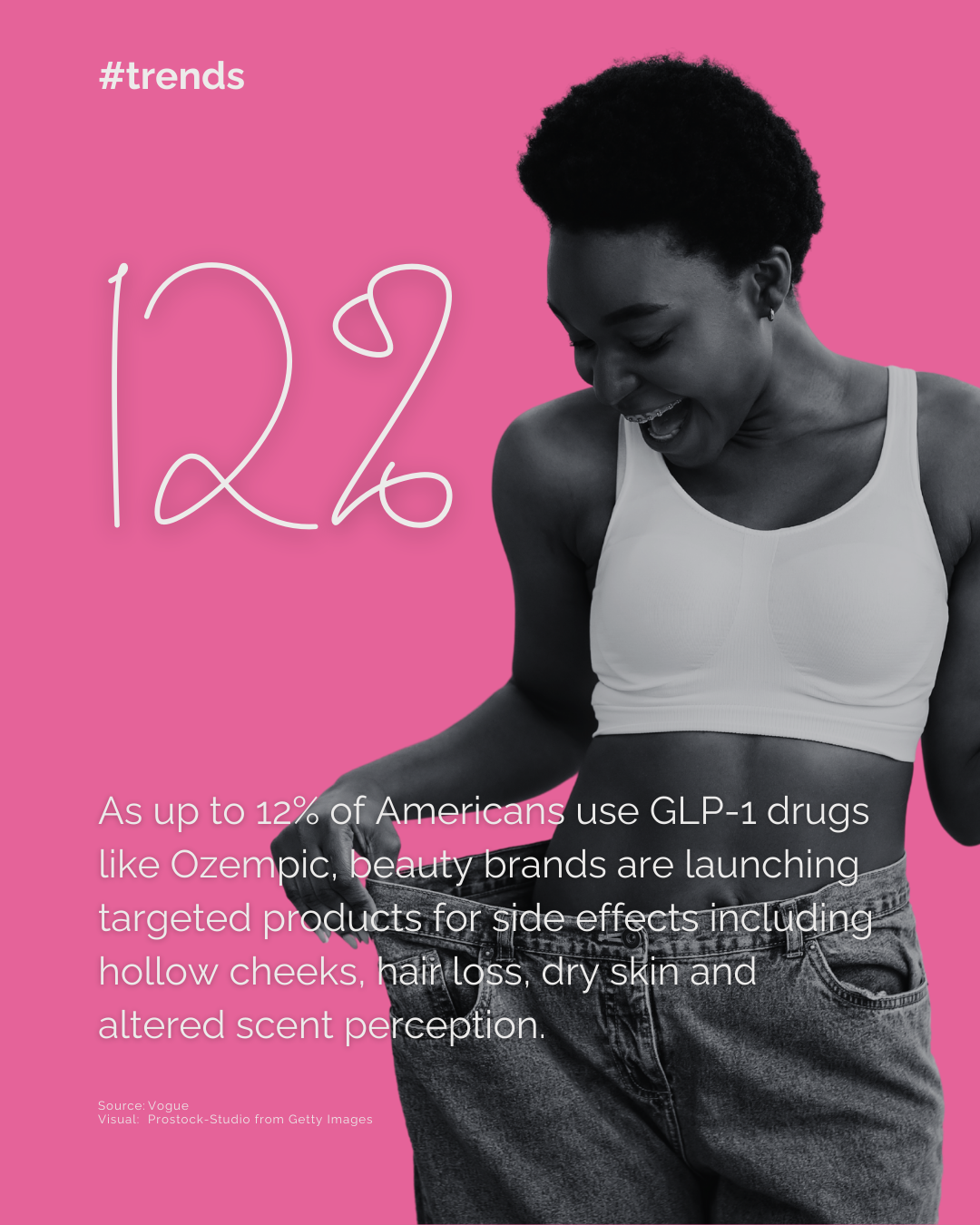
As up to 12% of Americans use GLP-1 drugs like Ozempic, beauty brands are launching targeted products for side effects including hollow cheeks, hair loss, dry skin and altered scent perception. New offerings include Dr. Few's DermaReverse clinically tested skincare line, Cultskin's hair regeneration programme and fragrance houses developing gentler scent profiles, whilst supplement sales surge for collagen and protein. When medication reshapes bodies, does beauty follow the side effects or the transformation?
Libby Users Learn to Spot AI Audiobooks
AI-narrated audiobooks have appeared on Libby, the library app connecting users to e-books and audiobooks, prompting listeners to search for terms like "Digital Voice" and "Synthesized Voice" to identify and avoid them. The shift follows Libby's November 2025 launch of an AI recommendation feature, though audiobook fans say AI narration loses the human touch. When readers actively filter out automation, does convenience lose to craft?
TikTok Teacher Lunch Sparks Butterkäse Shortage
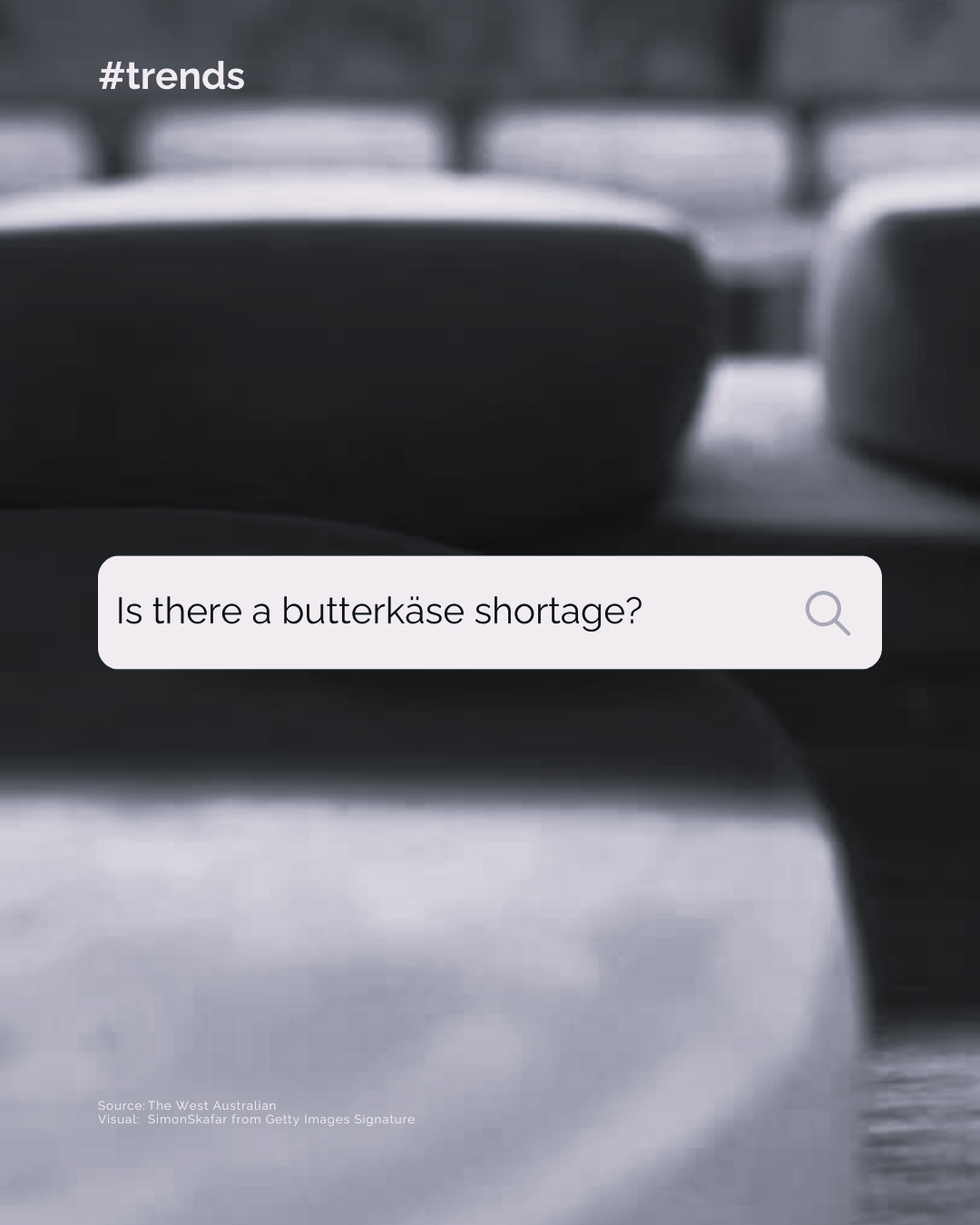
A viral TikTok showing a sweet potato stuffed with butterkäse cheese has caused the German variety to sell out across US supermarkets including Publix and Albertsons. The soft, high-butterfat cheese was accidentally discovered when the creator's cheddar turned mouldy, prompting millions of views and new retailer interest. When an accidental ingredient swap creates national scarcity, does virality reveal latent demand or manufacture it from nothing?
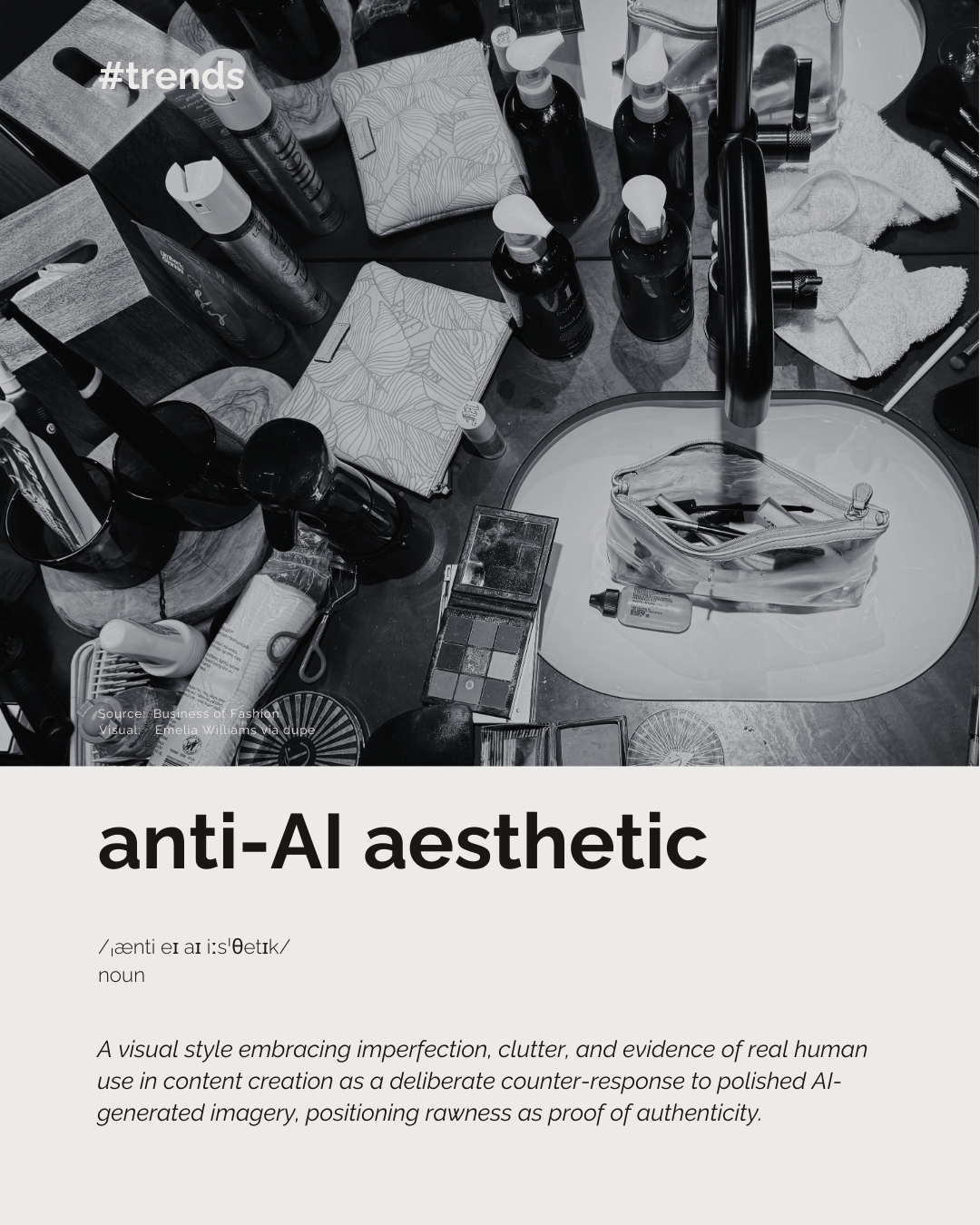
Explainer: Anti-AI Aesthetic
Beauty influencers and brands have shifted from polished shelfies to messy bathroom sinks and "empties" as 81% of CMOs surveyed believe customers will pay more for human-created content, up from 65% in 2024. The aesthetic change responds to AI-generated influencer backlash and overconsumption fatigue, with imperfection now functioning as proof of authenticity. When mess becomes a luxury signifier, does rawness survive commercialisation or just become the next curated trend?
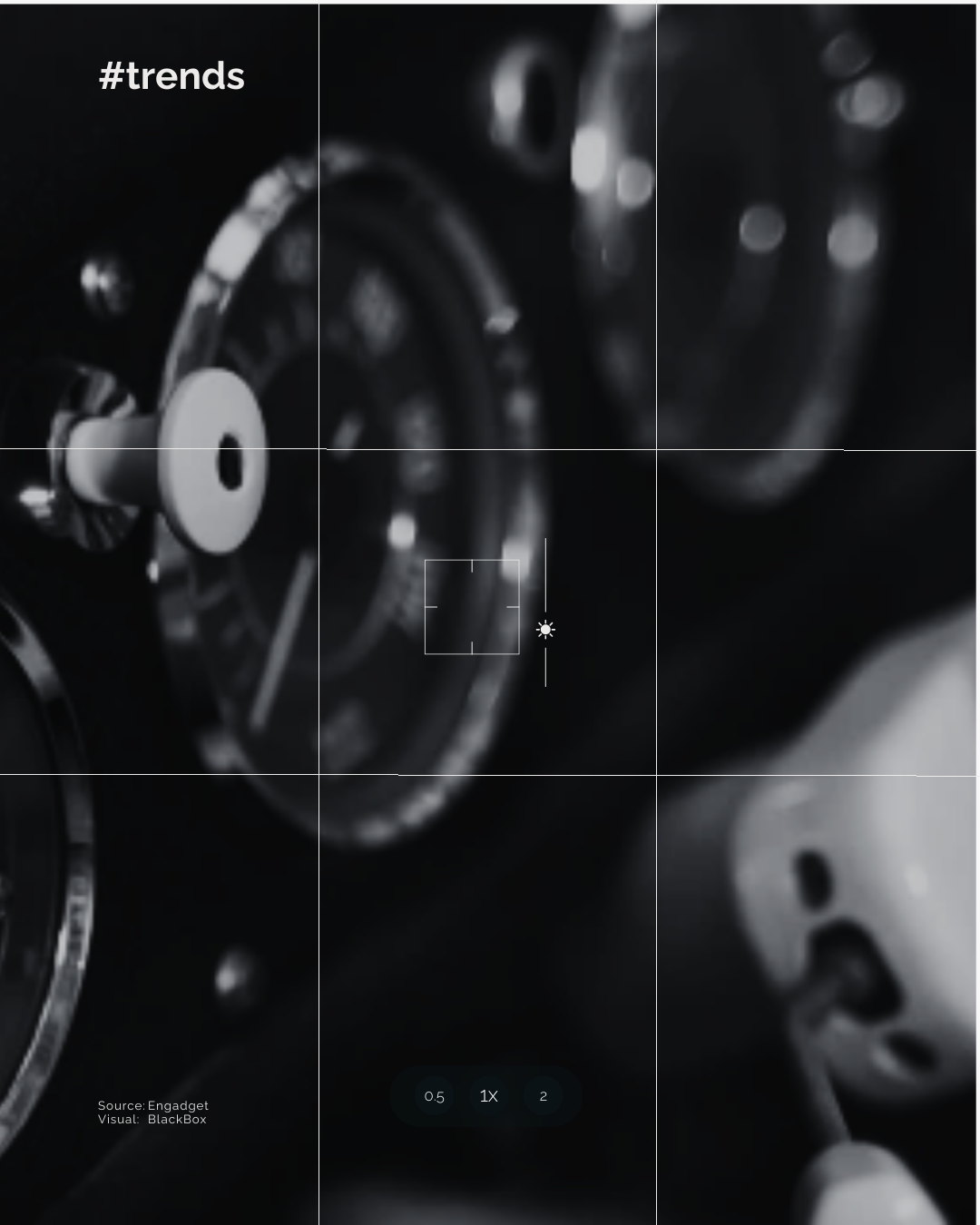
Volkswagen Brings Physical Buttons Back to EVs
Volkswagen's upcoming ID. Polo features tangible buttons beneath the infotainment display, physical switches, and an audio knob after the automaker committed to reintroducing controls "in every car we make from now on." The compact EV also includes a retro Golf I-inspired cockpit display accessible via steering wheel button. When tactile feedback returns as a selling point, does that admit touchscreens prioritised aesthetic minimalism over actual usability?