Trends & Artefacts: solar grazing edition
In this week’s edition of Trends & Artefacts, we round up the snackable trends, stats and insights from around the world, including:
Data Centres Expand into Hot Climates Despite Risks
iFixit Launches AI That Diagnoses Repairs
Butter-Dipped Ice Cream Goes Viral
Explainer: solar grazing
K-Beauty Brand Targets Melanin-Rich Skin Market
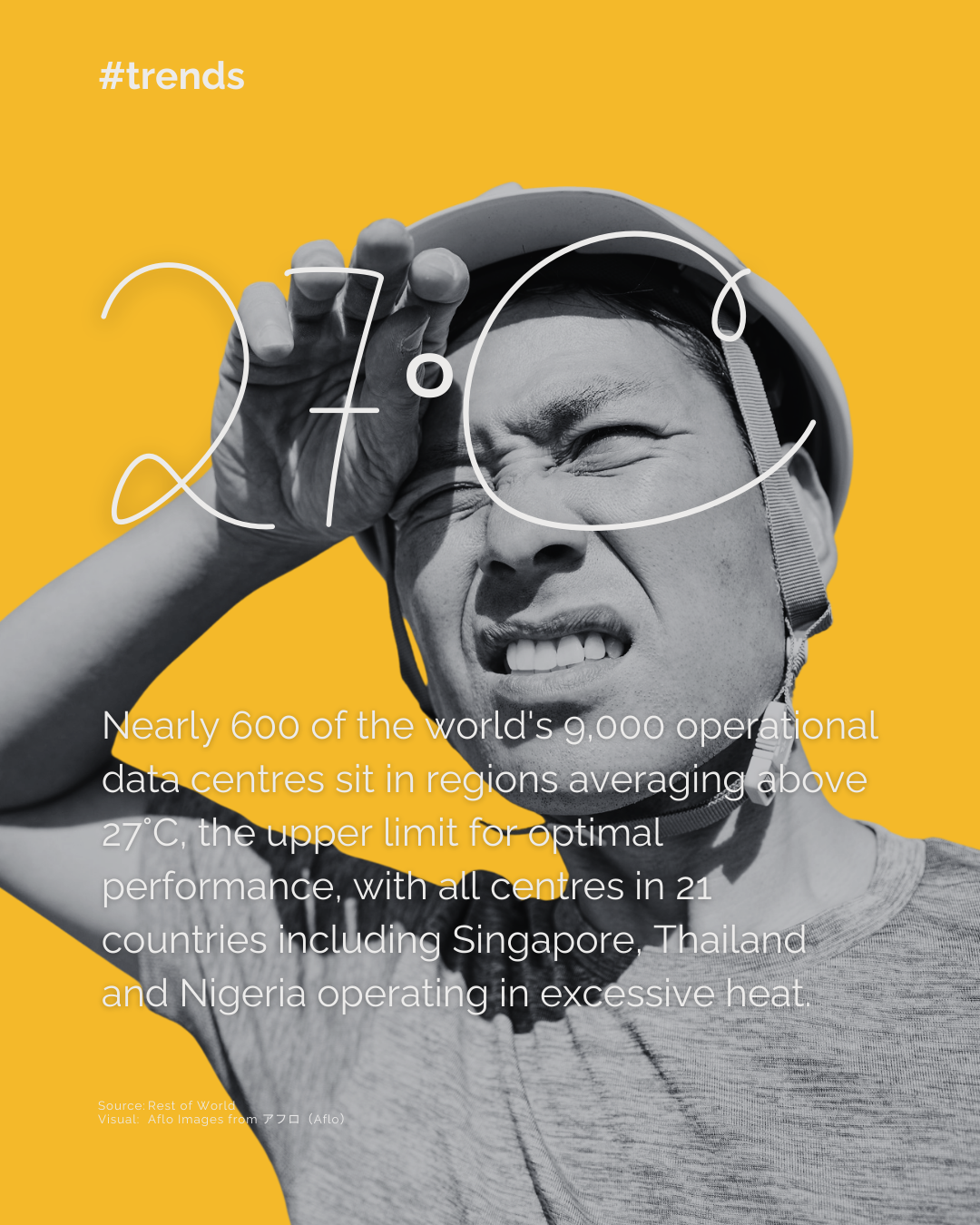
Data Centres Expand into Hot Climates Despite Risks
Nearly 600 of the world's 9,000 operational data centres sit in regions averaging above 27°C, the upper limit for optimal performance, with all centres in 21 countries including Singapore, Thailand and Nigeria operating in excessive heat. Rising AI demand and data sovereignty concerns are driving expansion in hot climates despite cooling challenges that strain power grids and raise emissions. When digital infrastructure follows geopolitics rather than efficiency, does sovereignty trump sustainability?
Streaming Diversity Declines as DEI Programs End
iFixit's FixBot uses AI to guide users through device repairs by searching millions of pages of manuals and community content, identifying parts from photos and adapting instructions in real time. The tool has divided iFixit's community, with some worried it will reduce forum activity that generates fresh knowledge, whilst others see it handling repetitive questions. When AI scales expertise, does it preserve community knowledge or just automate its decline?
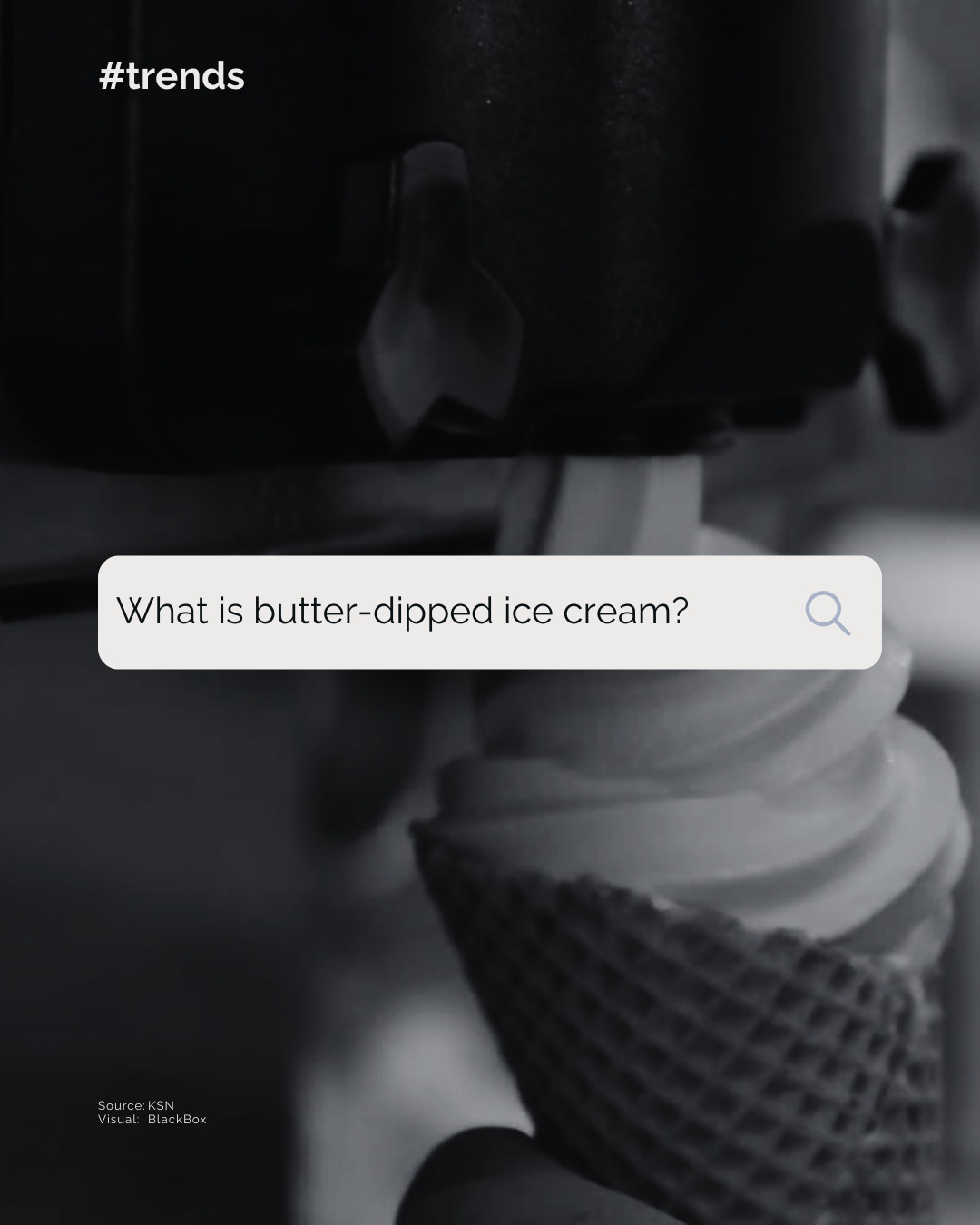
Butter-Dipped Ice Cream Goes Viral
Pastry chef Dominique Ansel's butter-dipped soft serve, introduced as a limited summer item at his New York bakery, has sparked a TikTok trend with imitators emerging across the U.S. The butter creates a frozen shell around vanilla ice cream, with reviewers describing it as everything from "sheer enjoyment" to "waxy" and "greasy." When a fleeting novelty outruns its original intent, does virality reward innovation or just accelerate imitation?
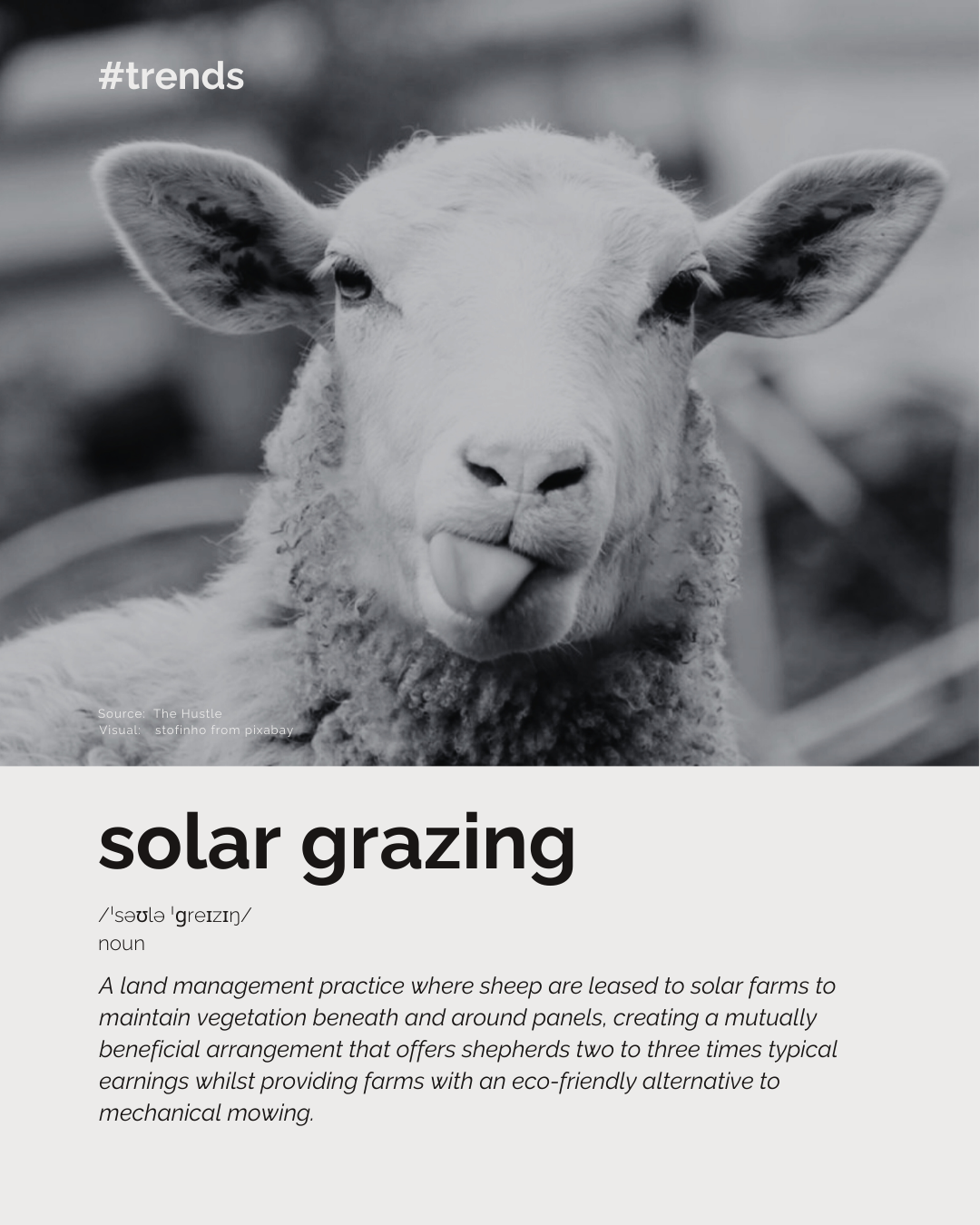
Explainer: solar grazing
Solar shepherds earn two to three times the average US sheepherder salary of $61,000 by leasing sheep to graze solar farms, where the animals maintain vegetation that could block panels whilst avoiding costly mowers and herbicides. Over 250 sites now operate across the US as solar energy expands, with one shepherd calling it the industry's biggest opportunity in generations. When renewable infrastructure creates rural income, does clean energy multiply its value beyond the grid?
K-Beauty Brand Targets Melanin-Rich Skin Market
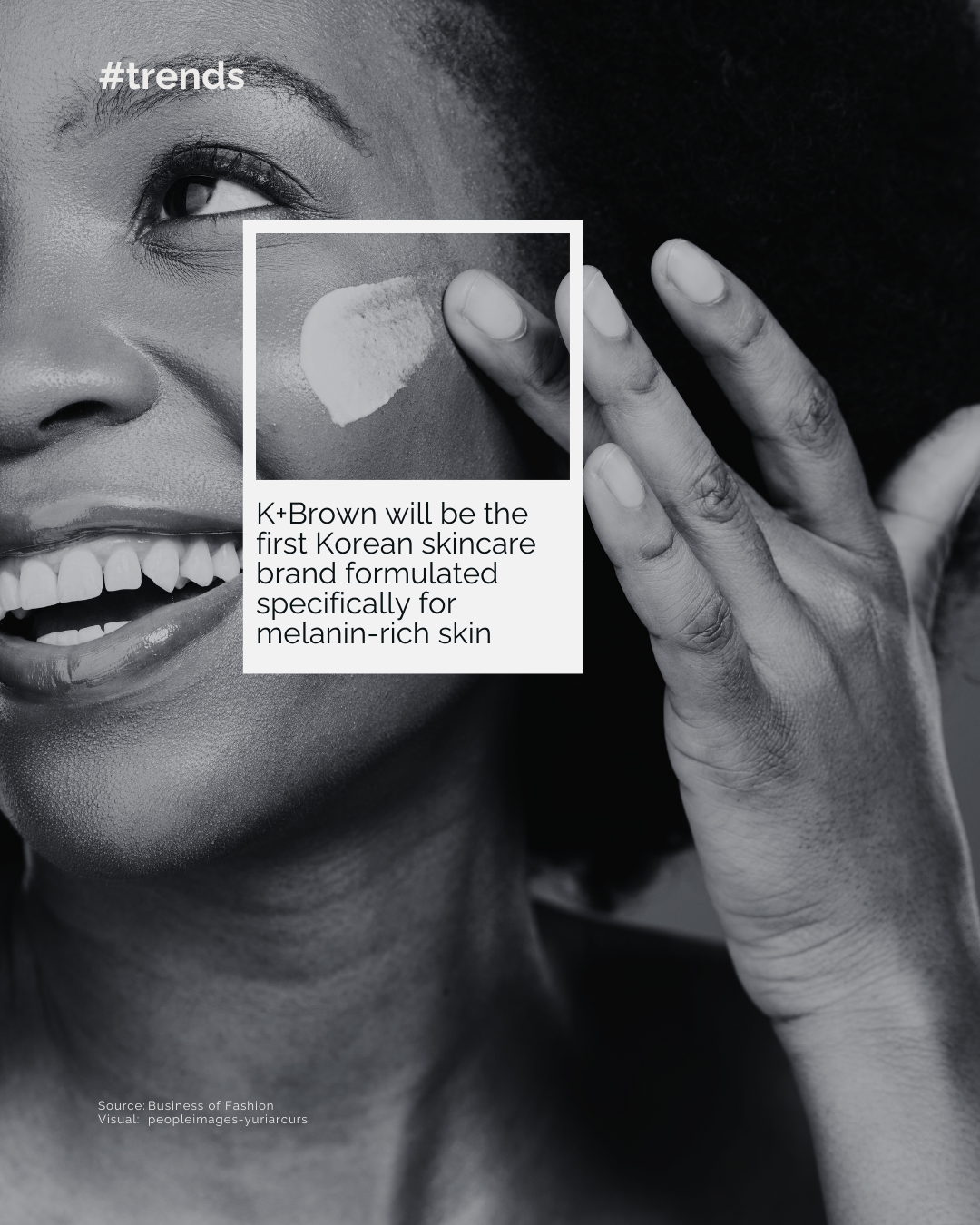
K+Brown, launching March 2026, will be the first Korean skincare brand formulated and clinically tested specifically for melanin-rich skin, despite data showing 30% of US K-beauty consumers are Black, Latino or non-white/non-East Asian. Co-founder Melissa Alfer notes fewer than 1% of beauty brands test product claims on darker skin tones, though Black women show 27% interest in K-beauty versus 19% among white consumers. When demand outpaces development, does diversity happen in marketing or formulation?