Trend Taster: 996 culture edition
In this week’s edition of the Trend Taster, we round up the snackable trends, stats and insights from around the world, including:
59% of Gen Z live paycheck to paycheck
Fifth-graders are using "old-timey" Tin Can landlines
How will the ultra-wealthy travel in 2026?
Explainer: 996 culture
Asian handbag brands are building loyal followings
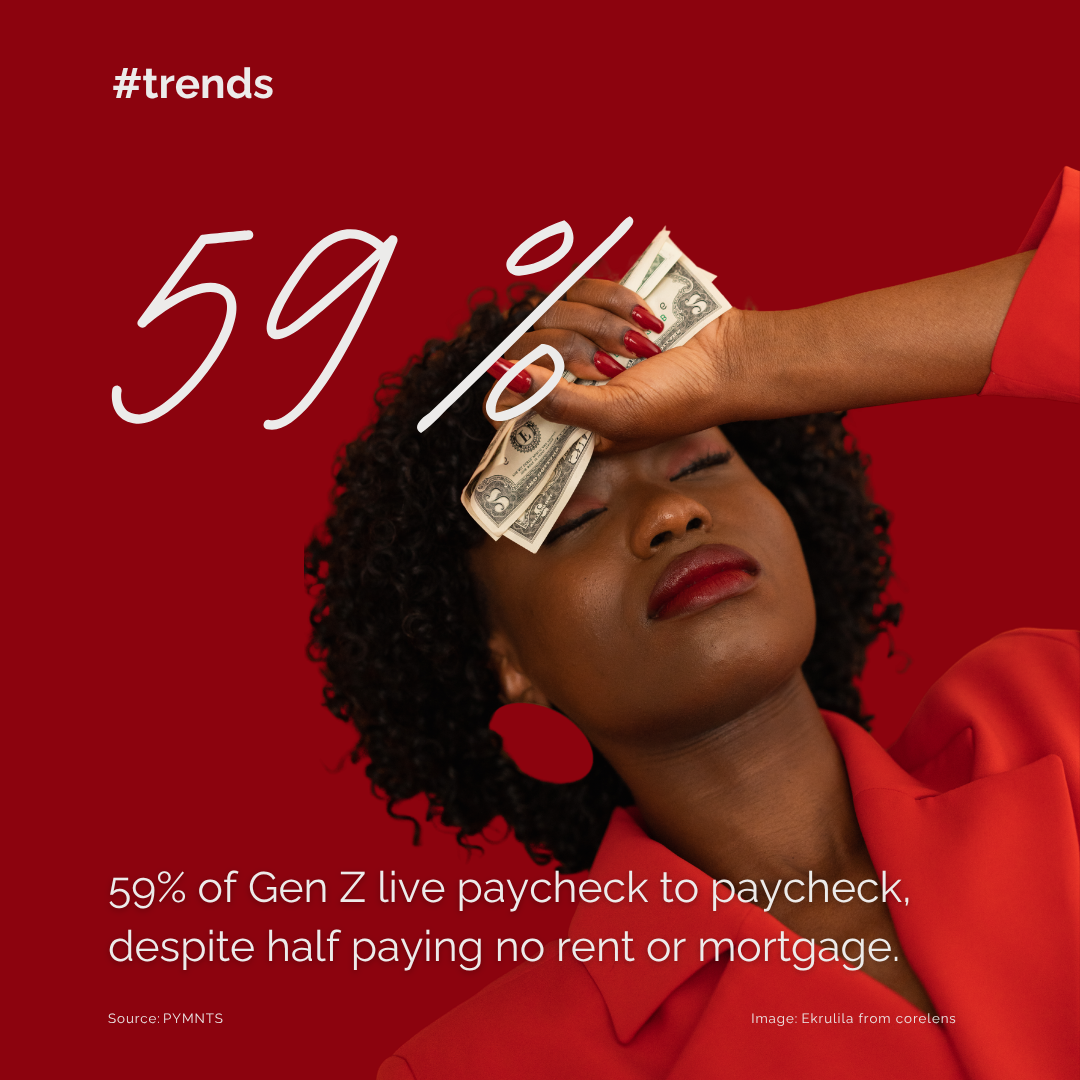
59% of Gen Z live paycheck to paycheck
59% of Gen Z live paycheck to paycheck, despite half paying no rent or mortgage. The top reason cited is splurging on nonessentials. 19% say discretionary spending is the main cause of financial strain, twice the rate of millennials. They're saving more relative to income than older generations but spending the cushion before independence arrives. Is this lifestyle inflation or just delayed financial literacy?
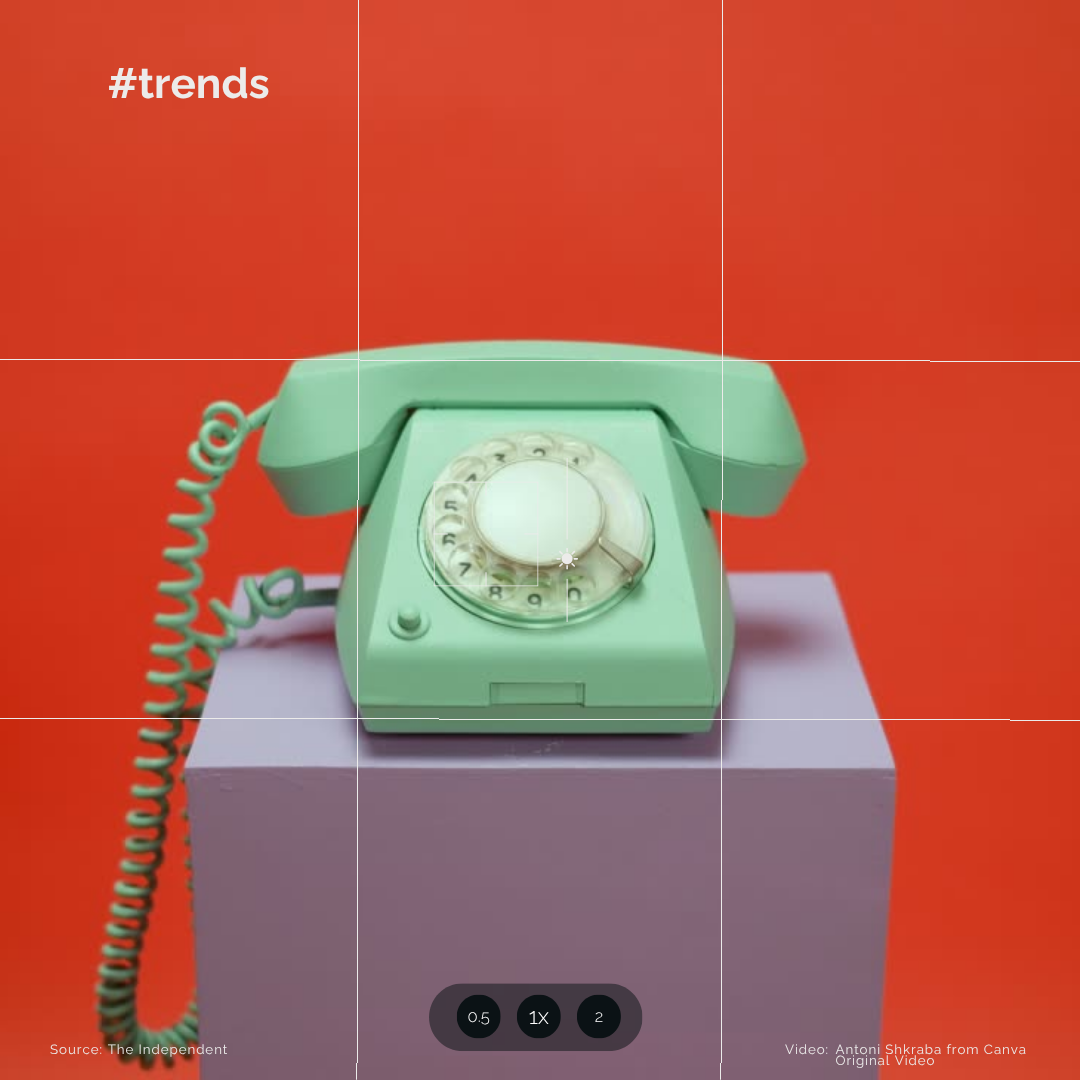
Fifth-graders are using "old-timey" Tin Can landlines
Parents are installing landlines for kids to avoid smartphone risks: Tin Can, a child-focused landline company, now has customers across all 50 US states. Fifth-graders are scribbling down phone numbers on paper, running to answer ringing handsets, and calling rotary dials "old-timey." The phones limit distraction but demand new social choreography. Are we solving for attention or just postponing the inevitable negotiation with connectivity?
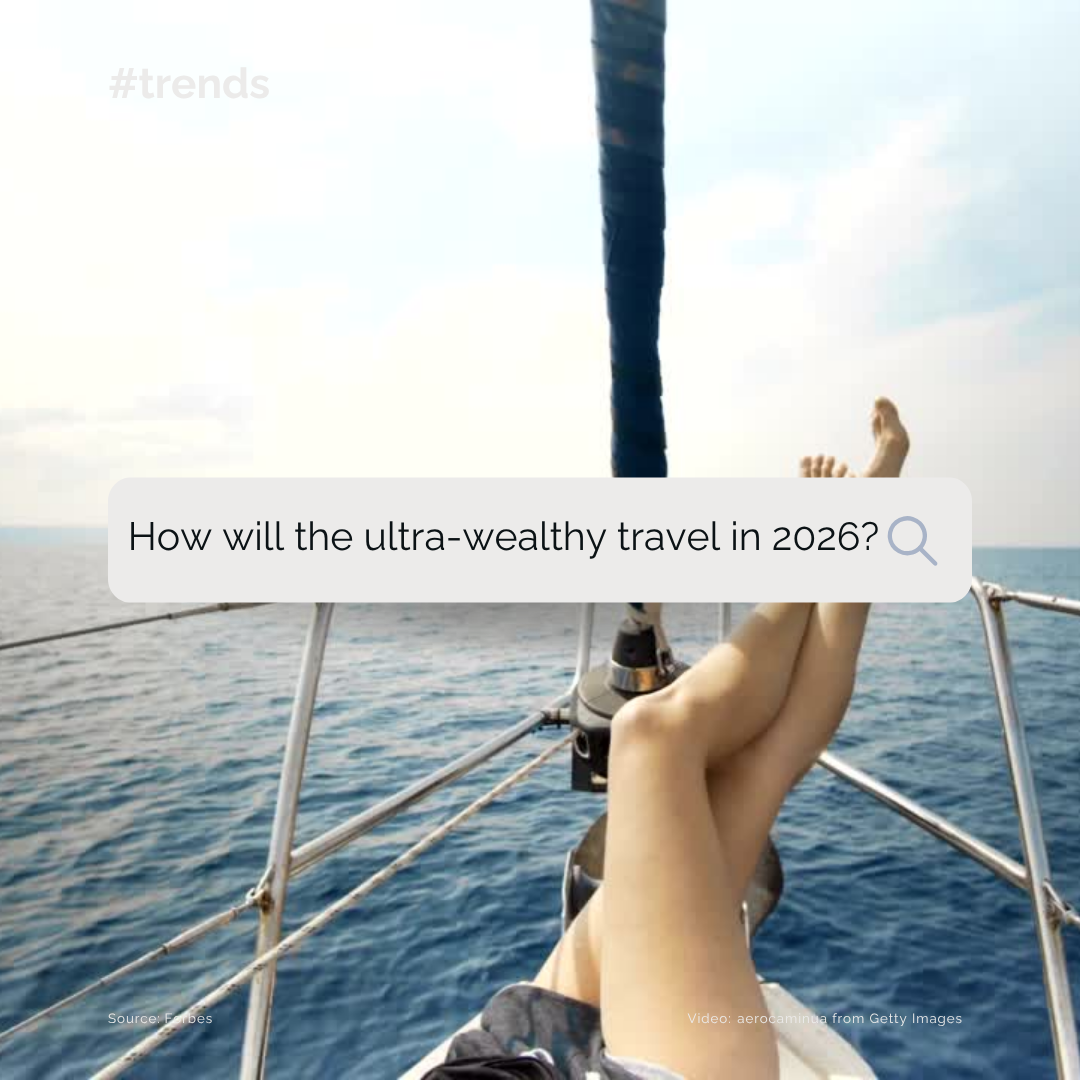
How will the ultra-wealthy travel in 2026?
The ultra-wealthy are redefining luxury travel around scarcity, not spectacle. According to Virtuoso's 2026 report, high-net-worth travellers now prioritise crowd-free destinations, slower itineraries, and all-inclusive ultraluxe packages where privacy and seamlessness matter more than logos or landmarks. If exclusivity used to mean five-star service, what does it mean when the real luxury is having nowhere else to be?
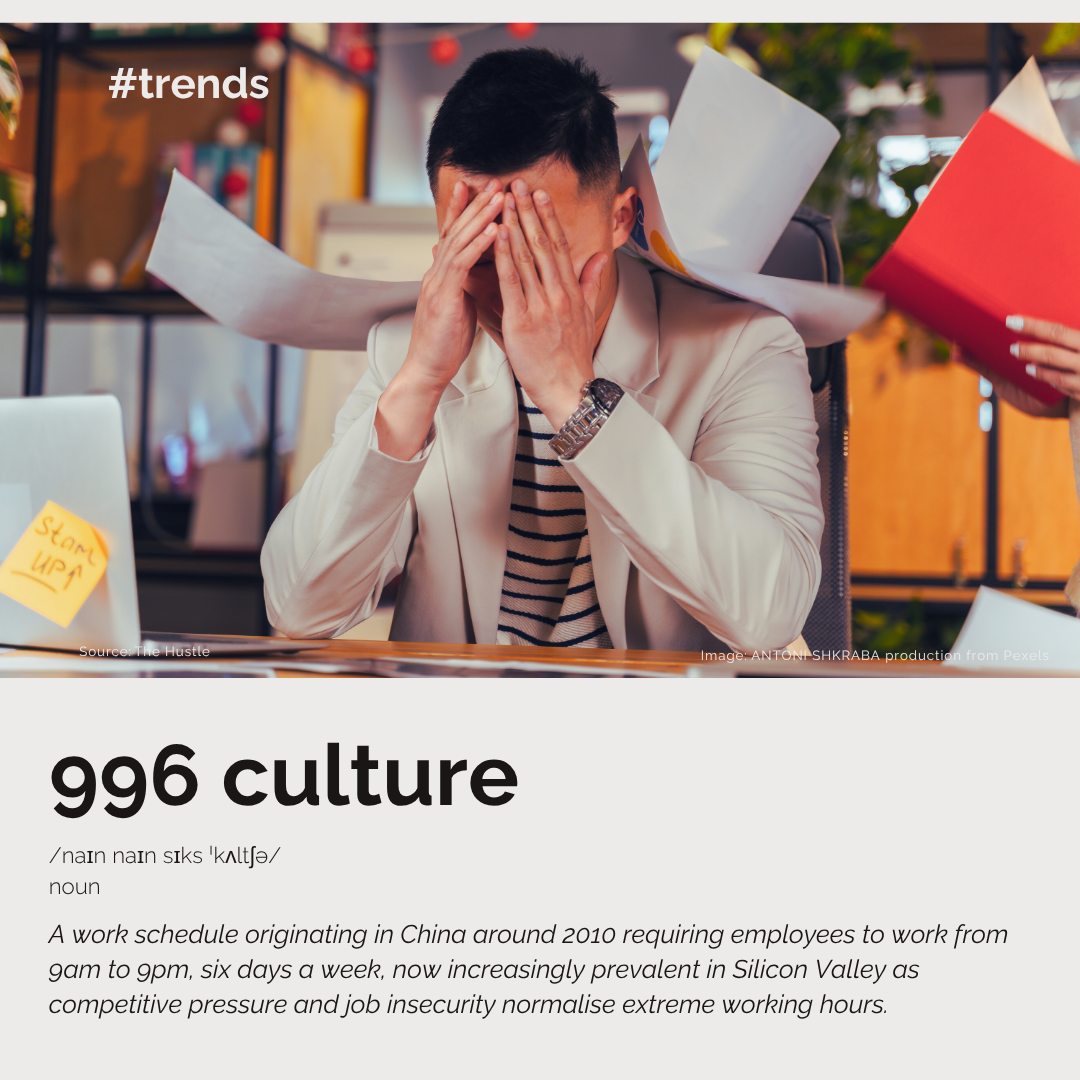
Explainer: 996 culture
Silicon Valley is normalising the 996 schedule: working 9am to 9pm, six days a week. Originally from China's tech sector, the practice has intensified in San Francisco amid the AI race, with corporate card data showing surging Saturday transactions and job listings openly demanding extreme hours. If burnout becomes a badge of honour, what happens to the companies built on it?
Asian handbag brands are building loyal followings
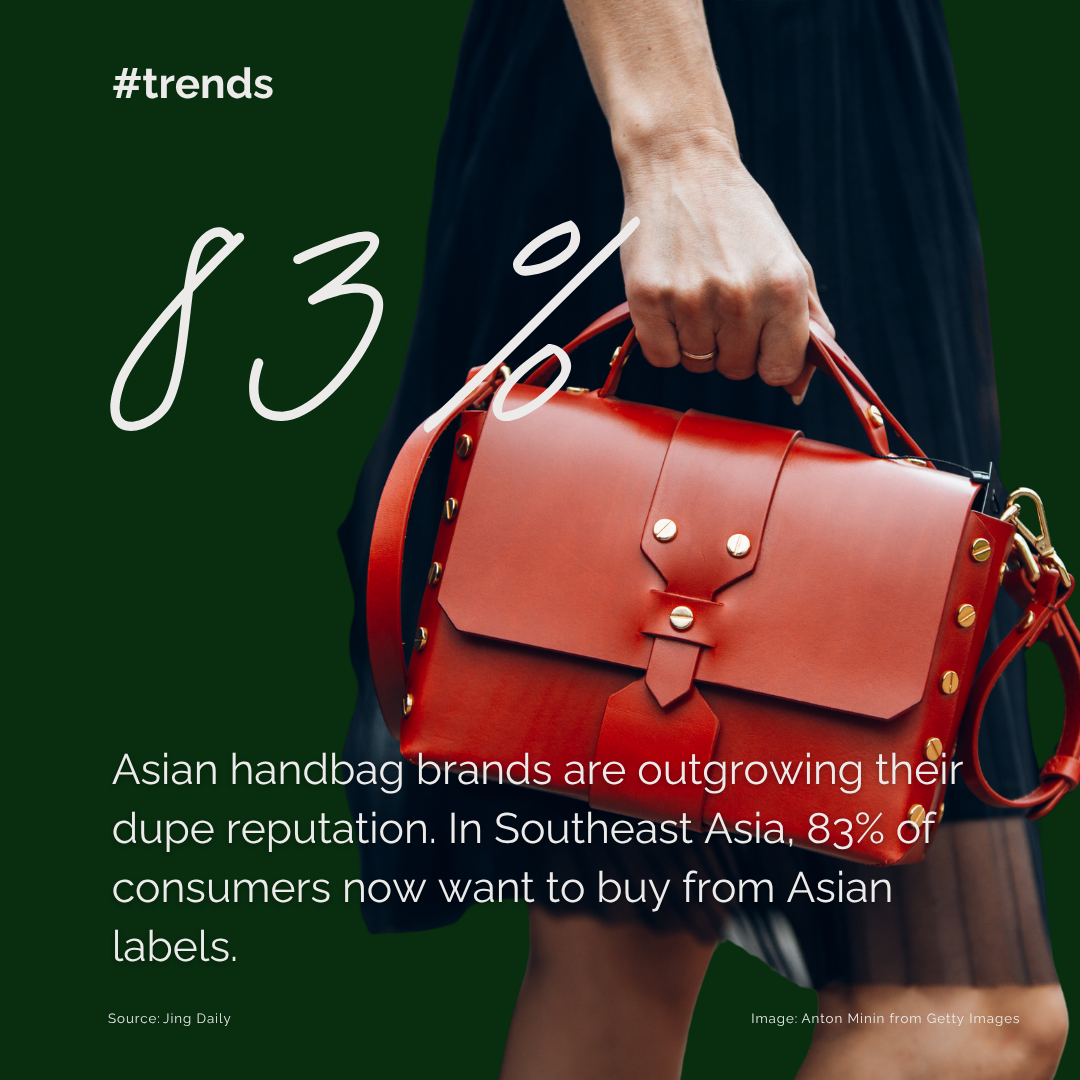
Asian handbag brands are outgrowing their dupe reputation. In Southeast Asia, 83% of consumers now want to buy from Asian labels, with South Korean brands like Osoi and Indonesian labels like Rounn building loyal followings based on quality and cultural resonance, not just affordability. When luxury stops being about logos, who gets to define what premium means?