Trend Taster: dark tourism edition
In this week’s edition of the Trend Taster, we round up the snackable trends, stats and insights from around the world, including:
Are tampons getting an engineering upgrade?
Uno is launching physical social clubs
Home meal preparation has reached its highest level since 2020
Explainer: dark tourism
Brazilians can earn money from their digital footprint
Are tampons getting an engineering upgrade?
For the first time in 80 years, the tampon is getting an engineering upgrade. Sequel, founded by elite athletes and Stanford engineers, has received FDA approval for their patented spiral design. This innovative helical shape promises more even absorption and fewer leaks, addressing a long-standing need for more dependable period products. It’s an example of how focused innovation can challenge decades of stagnant design, particularly in industries where consumer discomfort has become normalised.
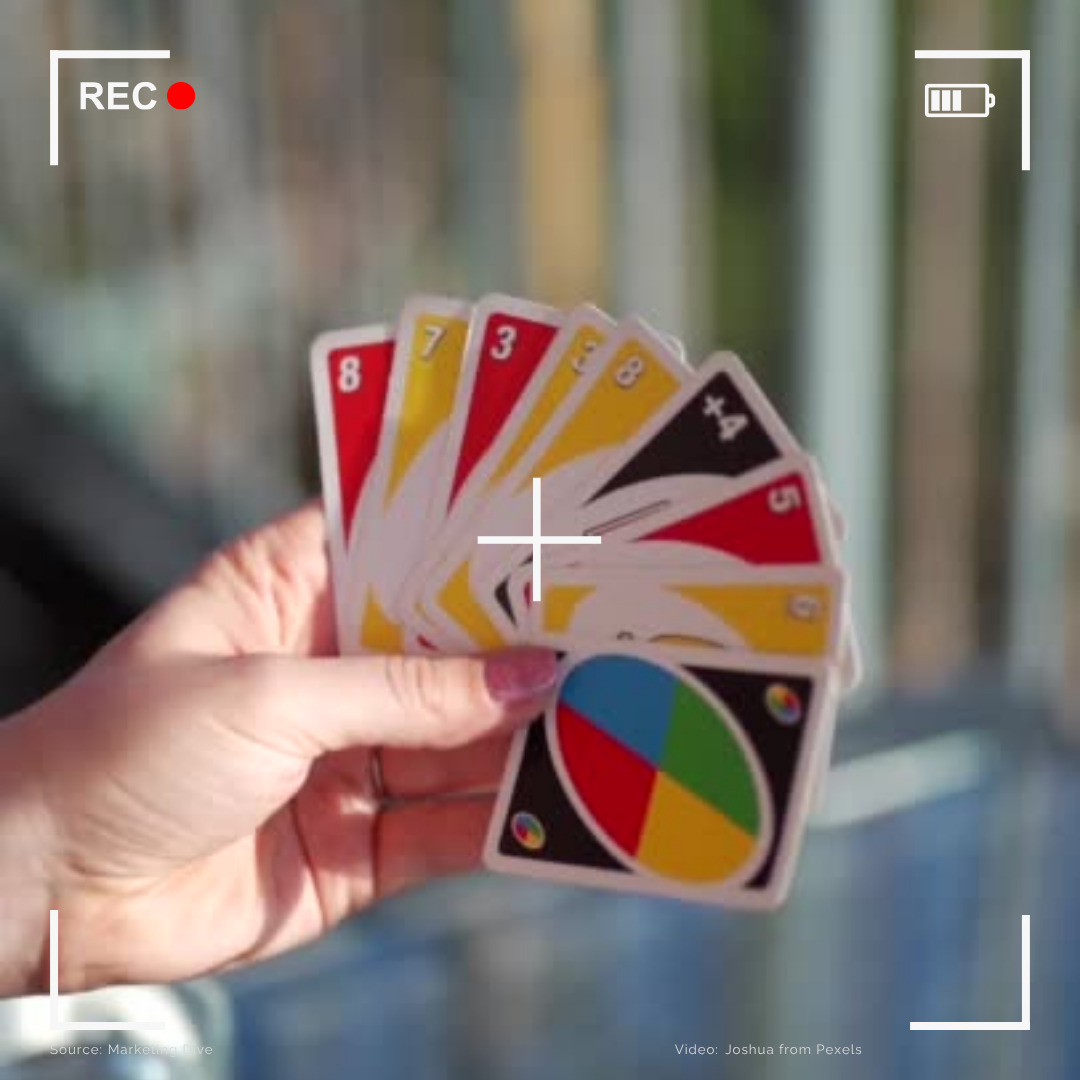
Uno is launching physical social clubs
Uno is launching physical social clubs to capitalise on the booming tabletop gaming trend. Starting with a Vegas suite in July, they're betting on face-to-face connection over digital alternatives. Smart move: the global tabletop market's set to hit $34.1bn by 2030, driven by younger consumers craving authentic social experiences. While board game cafes offer thousands of options, Uno's creating focused, branded spaces where their game takes centre stage. It's experiential marketing meeting cultural zeitgeist perfectly.
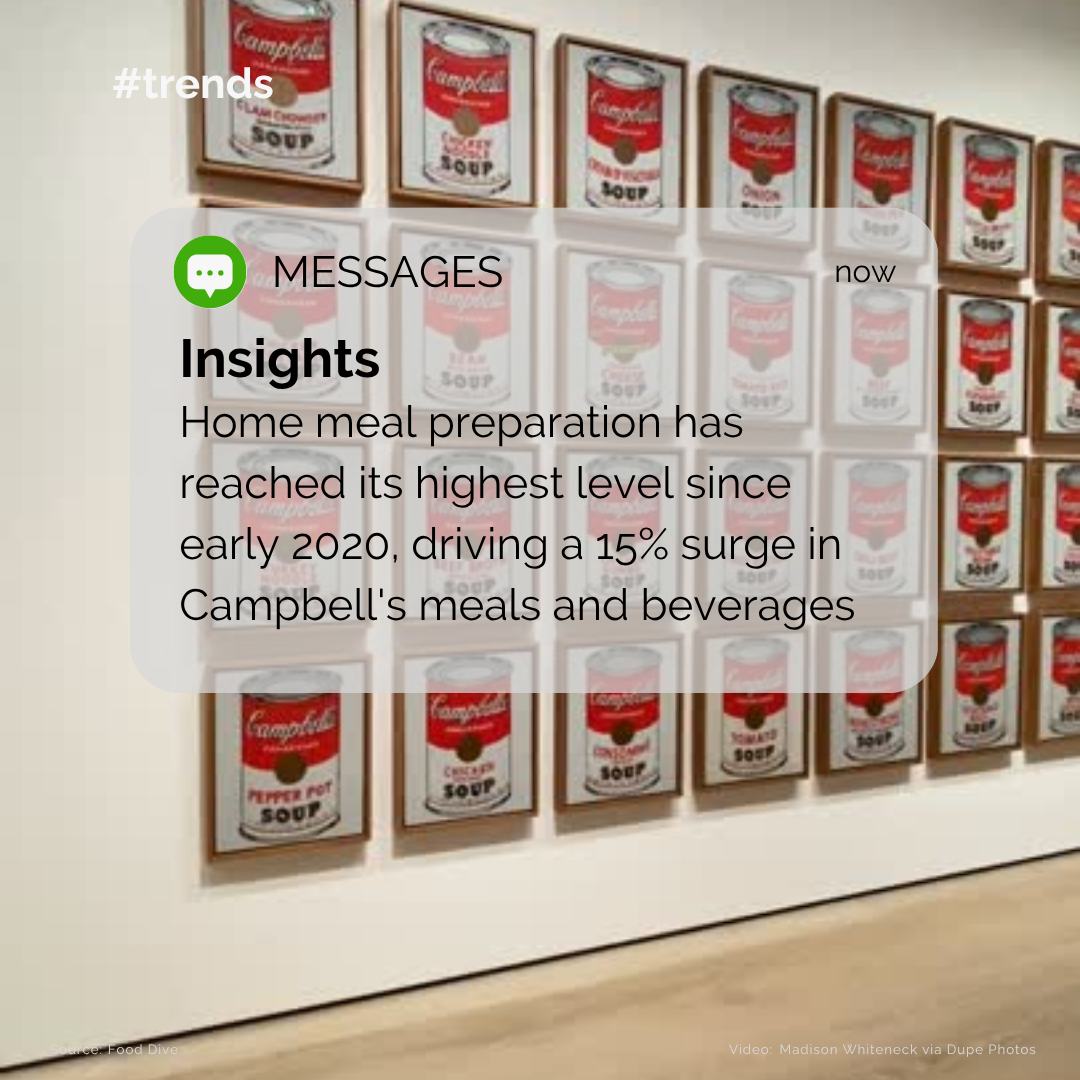
Home meal preparation has reached its highest level since 2020
Home meal preparation has reached its highest level since early 2020, driving a 15% surge in Campbell's meals and beverages segment to $1.5 billion. But there's a flip side - snacking is collapsing as tight budgets force selective eating habits. Goldfish crackers are struggling while condensed soups thrive. It's the tale of two food categories: necessity versus indulgence. When wallets tighten, consumers return to basics - stretching ingredients, cooking from scratch, choosing utility over impulse. Sometimes economic pressure creates the most authentic cultural shifts.
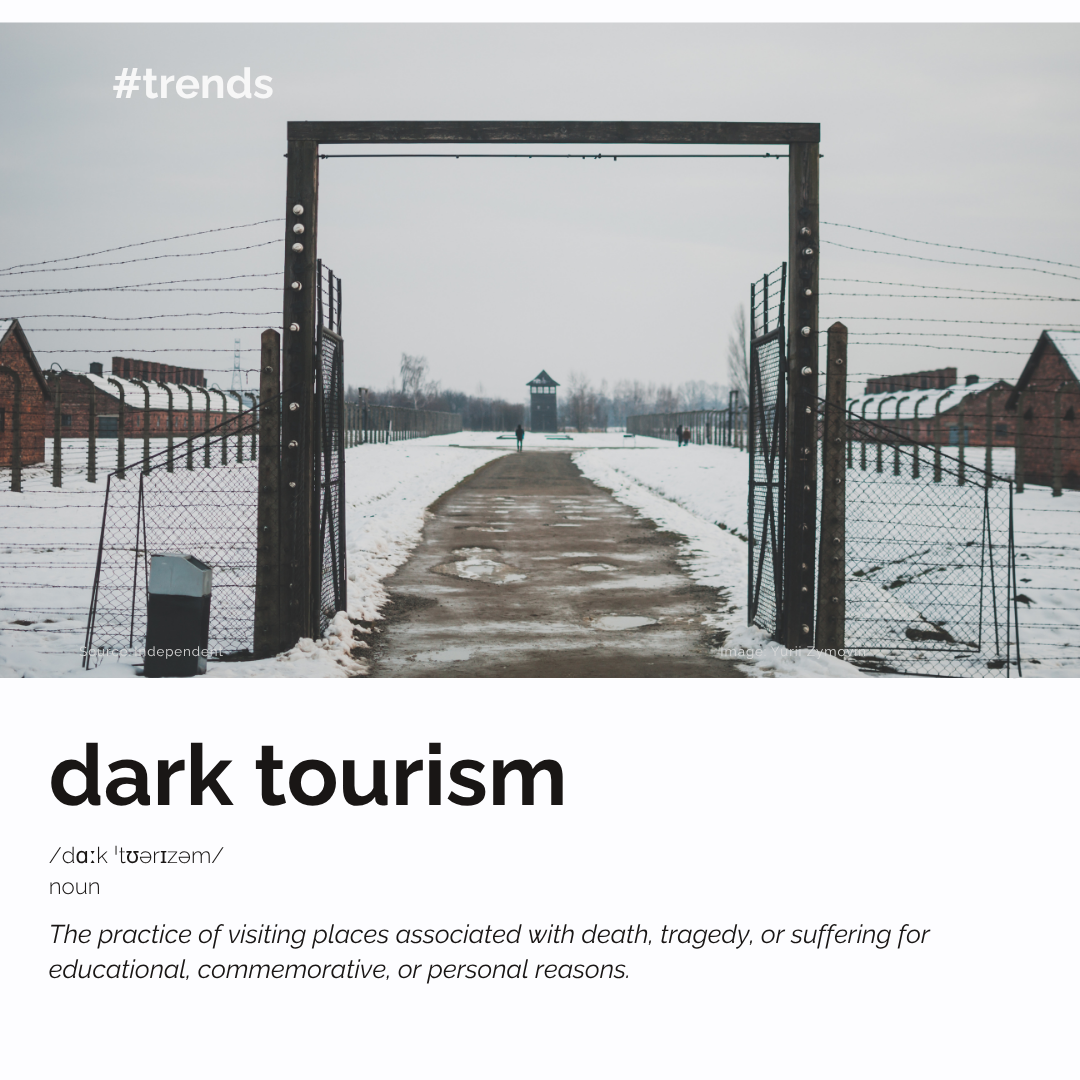
Explainer: dark tourism
The travel trend of "dark tourism" of travellers wanting to visit places with dark pasts has fascinated academics and holidaymakers for years. Despite misconceptions about morbid fascination, research shows visitors seek education, remembrance, and connection to family history rather than death obsession. From Auschwitz to 9/11 memorials, these sites serve as secular pilgrimages where confronting mortality teaches us about living. It's not about death tourism, it's about difficult heritage demanding respectful engagement with history's shadows.

Brazilians can earn money from their digital footprint
Brazil just flipped the script on data ownership. While we argue about privacy policies, they're launching dWallet, letting citizens earn money from their digital footprint. It's the world's first nationwide data monetization pilot, turning personal information into personal income. Three in ten Brazilians are functionally illiterate, yet they're being asked to price their own data. This isn't just about fair compensation, it's about whether commodifying privacy creates equity or exploits vulnerability. When data becomes currency, who really gets rich?