The Myth of the Perfect Sleep Score: Escaping the Cult of Optimisation
I have a Fitbit. It tells me the time, and that's about all I need it to do these days. I don’t wear it at night to track my sleep. I ignore the step counter. I don’t log my exercise.
It's liberating to wear a piece of technology purely for its most basic function, stripped of all its data-gathering and self-tracking it was designed for. It’s like having a smartphone and only using it to make calls. It seems ridiculous, wasteful even. And yet, it feels like actively opting out of being measured. Of not relying on numbers to make decisions. I’ve written about quantification fixation before. It’s a decision-making bias where people give more weight to the stats then how they actually feel about it.
And I’ve seen this particularly play out with sleep score. Somehow sleep has been repackaged as a performance metric that can be monetised. Somehow eight hours of unconsciousness aren’t straightforward enough and needs scores and insights delivered to your phone each morning, colour-coded and algorithmically analysed.
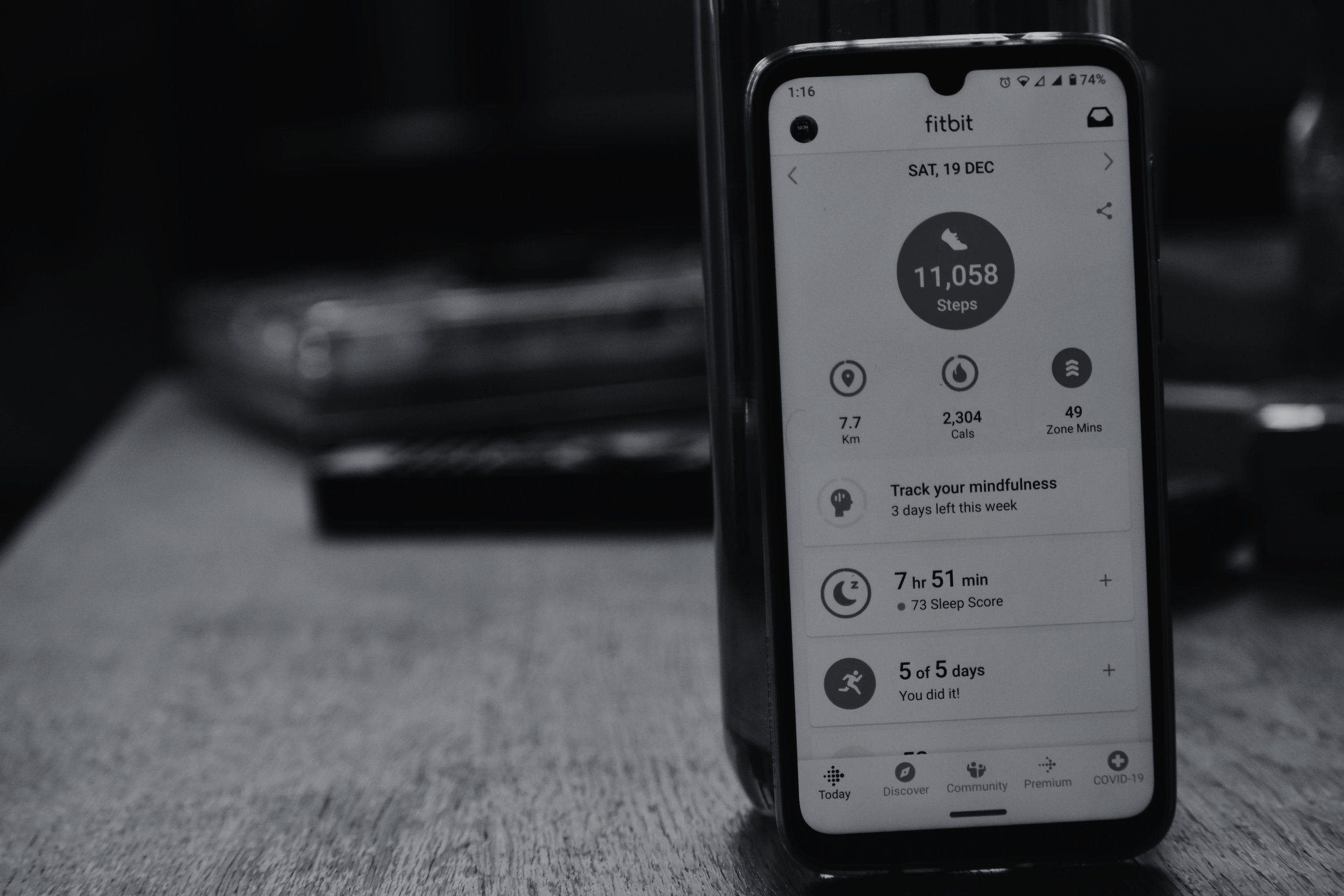
Photo by Joshua Miranda via Pexels
The market taps into this anxiety that your body, left to its own devices, will get it wrong. Smart rings that monitor your REM cycles. Mattresses embedded with sensors. Apps that wake you at precisely the right moment in your sleep cycle. Do you need technology to tell you whether you're actually tired?
What interests me about this, from a research perspective, is how perfectly it shows our relationship with data. We've become so enchanted by the ability to measure things that we've stopped questioning whether it actually matters. As William Bruce Cameron famously said in "Informal Sociology" (1963): ““Not everything that can be counted counts, and not everything that counts can be counted.”
Sleep trackers can estimate when you're asleep and when you’re awake with fair accuracy, but are less reliable for specific sleep stages. Yet people are making life decisions based on whether their device awarded them 6% or 23% deep sleep. The numbers that may be completely fictional, but they seem to have an authority because they're precise.
This is the seduction of quantification. A number, any number, feels more trustworthy than your own lived experience. You wake up feeling refreshed, energised, ready to start your day. Your tracker says you got a sleep score of 64. Suddenly, you're not sure how you feel anymore. Should you be tired? Are you lying to yourself about feeling good? Maybe have a coffee, just in case.
There's even a term for this now: orthosomnia. The pursuit of perfect sleep that actually makes your sleep worse. It's worryingly ironic. People lying awake at night, anxious about optimising their rest, creating the very insomnia they're trying to prevent. The data becomes the problem it was designed to prevent because we're outsourcing decisions over our own bodies to algorithms. Algorithms that don't actually understand sleep, because to them it is just patterns in movement and heart rate.
Sleep scores imply that with enough data and optimisation, you could achieve perfect sleep every single night. That restlessness is a problem to be solved rather than something that happens occasionally. That your body is a machine that should run identically every 24 hours, and any deviation represents failure.
And this quantification pattern goes much further than sleep. We're tracking our steps, our calories, our hydration levels, our meditation minutes, our screen time, our productivity hours. Everything must be logged, analysed, and optimised.
To me it is weird to treat the body as a system to be “hacked” or a continuous problem that needs fixing. The messy reality of being human is framed as something that technology can make more efficient. But what if there's no hack?
Of course, there are legitimate sleep disorders that benefit from monitoring. Sleep apnoea is real and can be dangerous. Clinical insomnia requires treatment. But for the majority of people using fitness trackers, the issue isn't a medical condition, it's just life. Sometimes you sleep poorly because you had coffee too late or you're stressed about work or you stayed up late watching YouTube videos.
I looked at the social listening data in YouScan to see how conversations around sleep scores cluster. And it’s complex: part motivation, part frustration, part self-awareness. Many people voice a sense of validation and control, especially when the scores confirm good nights or show progress after lifestyle changes. In return, that reinforces positive habits and a sense of accomplishment. However, there are also recurring themes of anxiety and self-doubt when people become too focused on their metrics. This emotional tension deepens when the sleep scores conflicts with how rested people actually fee. This leads to frustration or even distrust, especially when one device seems “too generous” or “too harsh.” Ultimately, sleep tracking often evolves from a simple curiosity into an emotional feedback loop, highlighting both the empowerment and the psychological burden of quantifying something as personal and variable as sleep.
This points to a growing fatigue with optimisation. The strangest part of stepping away from sleep tracking wasn't the fear that I'd somehow sleep worse without the data. It was realising how much mental energy I'd been devoting to worrying about information that told me nothing useful. I'd wake up, reach for my phone, and let an algorithm set the tone for my entire day. That's not insight. That's dependence.
I started asking myself what else I'd stopped trusting about myself. Having all the self-tracking stats available at your fingertips sounds empowering, until you realise it’s not that complicated: if you feel rested, you probably slept well. If you feel tired, you probably didn't. That's it. That's the entire system. No scores required. The Fitbit on my wrist has become more of a reminder now that I once got swept up in the cult of optimisation and found my way back out.
Sleep score tracking shows both the power and threat of data-driven decisions: people want tools that help them feel better about themselves, but they don’t want to be judged by their devices. Instead of selling precision, these devices should offer permission: to rest, to feel bad, to be imperfect. The next frontier for wellness brands is designing experiences that restore trust in ourselves. Blending empathy with technology. In a world full of metrics everywhere, brands should promote balance over optimisation, using data for reassurance rather than self-surveillance.