Are Generational Labels Actually Insightful?
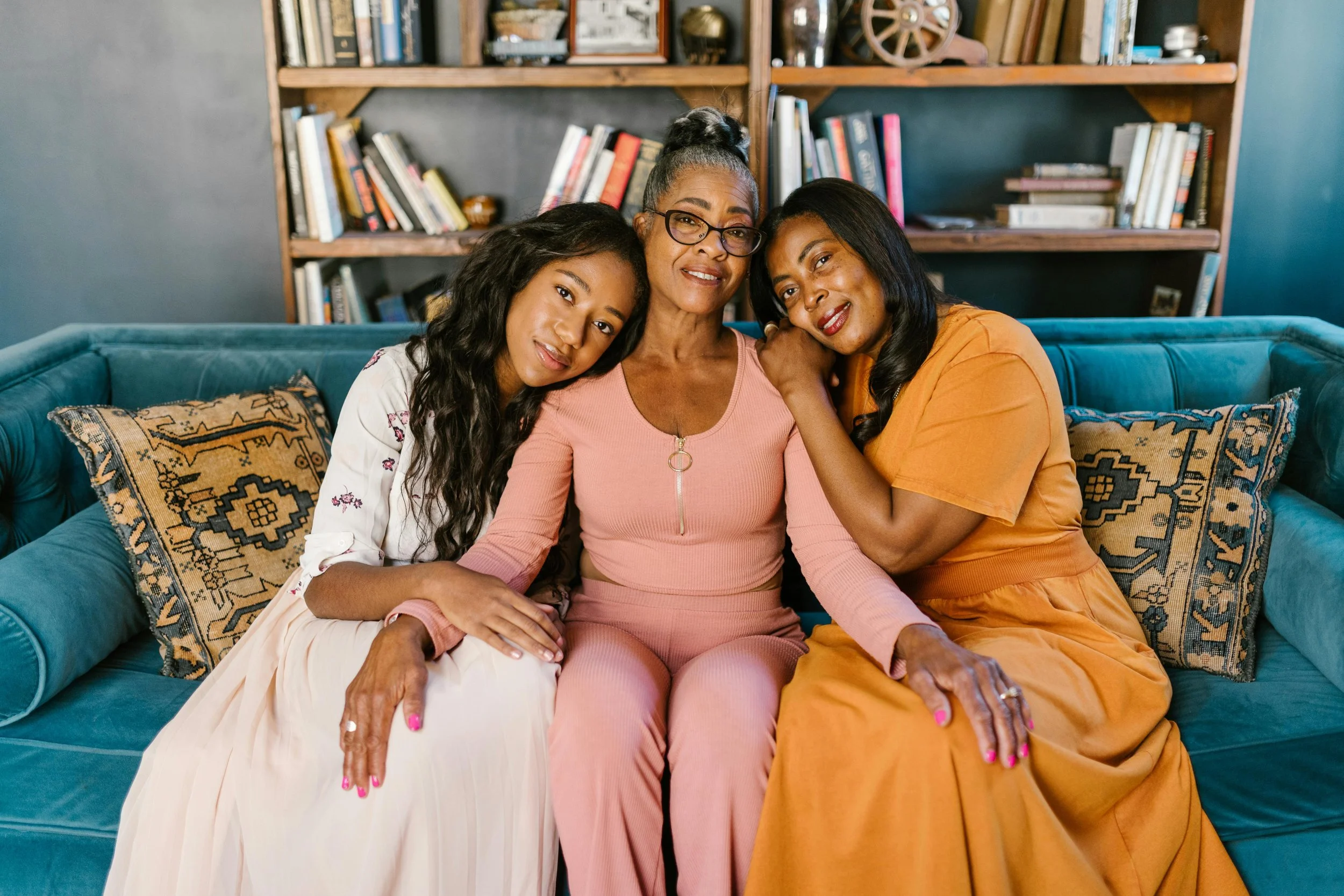
Photo by RDNE Stock project: https://www.pexels.com/photo/women-leaning-on-the-person-in-pink-long-sleeves-7951988/
Generation Beta is coming! Named by Mark McCrindle, a social researcher and demographer, the Betas will be born between 2025 and 2039. And marketers are already strategizing how to reach them years before they have any purchasing power. Prudential is leading the way with their report Generation Beta: Redefining Life, Longevity, and Retirement,
But can lumping people together into generations actually be insightful?
Generations are a Social Construct
Generations are a fuzzy but popular construct. While are generally similarities on the boundary years, there is no agreed definition. Most people won’t even know which generation they belong to.
Yet, generational labels are everywhere. And we have all fallen into the trap of using them.
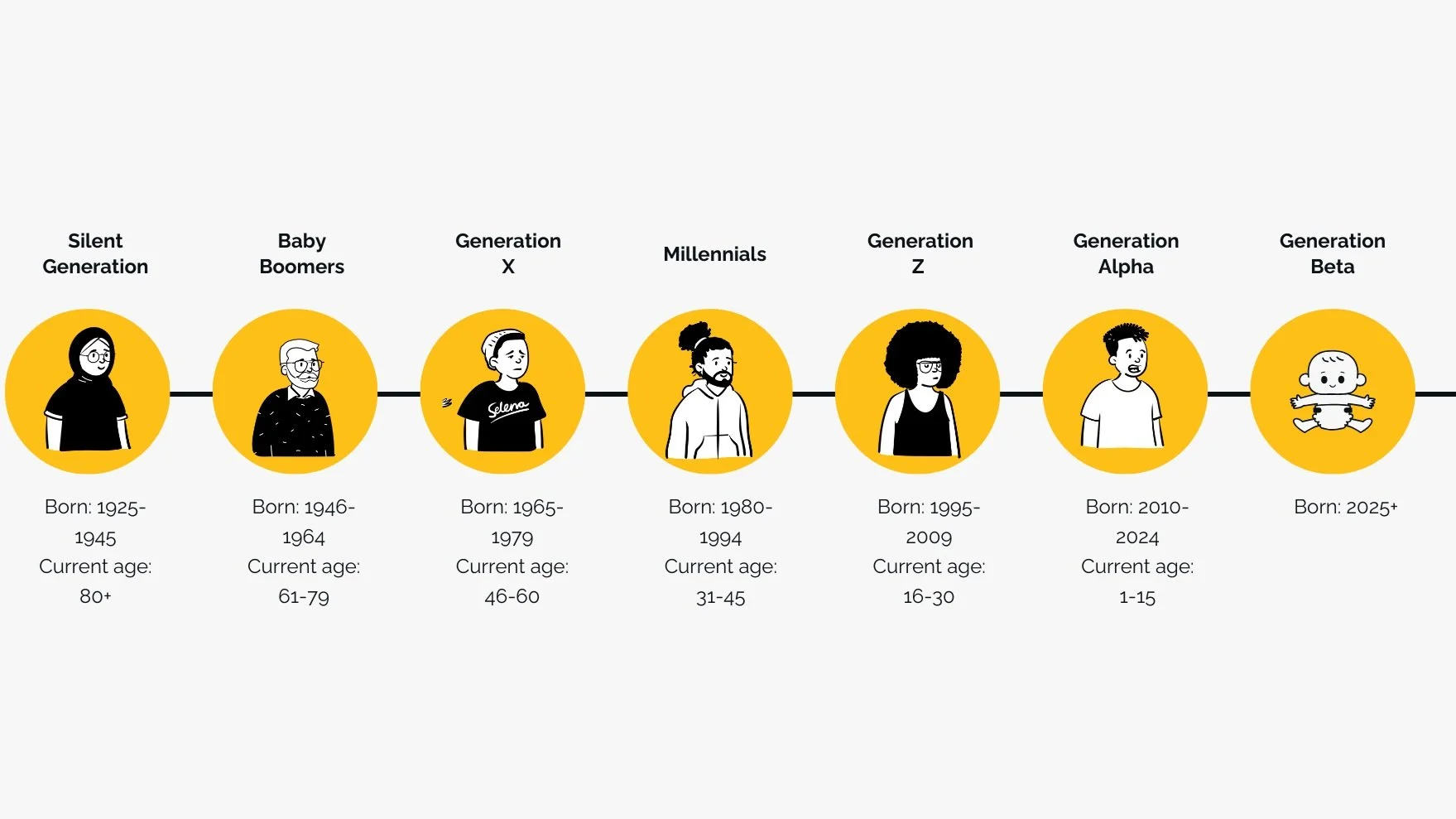
My sister and I were born 4 years apart and technically I’m Gen X while she is a millennial. But that does not mean that we fundamentally think and behave differently, just because of our birth years. We are not a monolith and there are multiple factors influencing our behaviours.
Generational labels are headline grabbers. And we get bombarded by them. While generations are a handy shortcut, there is also a real risk of promoting stereotypes and prejudices as nuances cannot be explained within a given character limit. This makes generationalism akin to astrology.
Generationalism is a Modern Form of Ageism
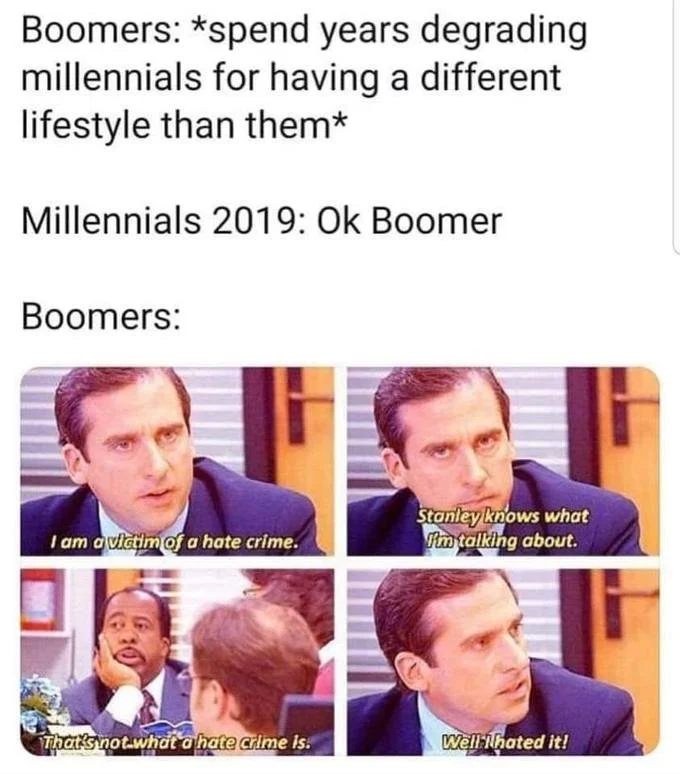
Generationalism is a modern form of ageism that normalizes discrimination by emphasizing generational differences. However, the generational divide is more nuanced than simple age-based stereotypes. Culture and generations are deeply interconnected, continually shaping and being shaped by each other.
Motivational drivers evolve with time, and technology accelerates this process by shaping our formative years, from the “iPad kids” of today to the “TV kids” of yesteryear. While technological and cultural shifts create distinctions between age groups, there is significantly more generational overlap than common discourse suggests. Rather than seeing each generation as a distinct group, we should understand them as part of a continuous cultural evolution.
Pew Research Center began phasing out its use of generational analysis around 2021 and in June 2023, they officially announced major changes to their approach regarding generational framing. They stated that moving forward, they would significantly limit their use of generational analysis and only employ it when it adds substantial value to understanding societal trends.
The decision came after a yearlong process of reassessing their approach to generational research, which included consulting with external experts and conducting methodological testing. This shift was motivated by growing criticism of generational research and concerns about oversimplification and reinforcement of stereotypes.
One alternative that Pew uses is Age-Period-Cohort analysis. APC analysis can be an alternative to traditional generational analysis, as these three factors are mathematically linked: knowing two automatically reveals the third, Period = Age + Cohort,
However, this analysis requires robust historical data to distinguish genuine generational differences from superficial trends. And these types of data sets are not easy to come by, so won’t make this a viable alternative for most researchers.

Photo by Anna Shvets
How Should We Use Generational Analysis in Quantitative Research?
Generations are a social construct, originating from sociological thought experiments, and never intended empirical research. No statistical model can clearly identify generational effects.
Looking at groups from a social constructionist perspective means understanding at how people actually create and use the idea of generations. Instead of treating generations as fixed, distinct group, this approach asks: How do people come up with the concept of different generations? Why do we keep believing in and using generational labels, even when there's evidence that suggests these labels might not be accurate?
It's about understanding the storytelling and social processes that make us think about age groups in certain ways. For example, why do we talk about "Baby Boomers" or "Millennials" as if they're completely different types of people? This research tries to uncover the social mechanisms that help us create and maintain these generational narratives, even when they might not make complete logical sense.
The key is to look at generations not as scientific facts, but as social constructs - ways that people make sense of the world around them by creating categories and stories about different age groups.
While generational explanations seem like the obvious answer, cultural shifts are not just caused by age, but other time-based sources like life stages and shared experiences.
Age is often a primary driver of social patterns. Typical milestones, like going to university, birth of a child, buying a home, and retirement, tend occur within similar age groups. These experiences create cohort effects: shared moments defined by place and time.
Therein lies the crux. It’s not one size fits all. We are a sum of our parts, and no individual can be solely defined by their generational membership. Societal changes unfold gradually with a lot more gradients. And each generation reinterprets and reimagines life differently from its predecessors.
Looking at groups from a lifespan development perspective highlights individual differences and development through biological, sociocultural, and historical contexts. By analysing generational differences through individual paths, it challenges traditional generational thinking.
The approach focuses on examining how individuals evolve over time, understanding that human development is dynamic. This perspective can provide a more nuanced understanding of generational experiences, revealing the complex ways individuals navigate and interpret social change.
Build Bridges, Not Walls
The idea of generations is not likely to go away, as they provide a useful lens. Rather than stop using the labels altogether, use them responsibly.
Instead of just highlighting what separates us, embrace the nuances within generational cohorts. Recognize that each generation brings unique assets and perspectives worth understanding and celebrating. Generational differences aren't problems to solve, but opportunities to build bridges and encourage understanding.
Approach generational discourse critically. Use generational labels as guidelines for understanding broad cultural trends and dig deeper to see the whole person beyond demographic markers.
The goal is connection, not division. Generational insights can help us appreciate our differences while recognizing our similarities.