Trends & Artefacts: stacked water edition
In this week’s edition of Trends & Artefacts, we round up the snackable trends, stats and insights from around the world, including:
Fashion Week Watch Parties Fill 2,000 Seats
Schools Are Renting Out Empty Buildings to Fund Themselves
An App That Sends You the Wrong Way on Purpose
Explainer: Stacked Water
A Dating App Built Around Mood Boards, Not Profiles
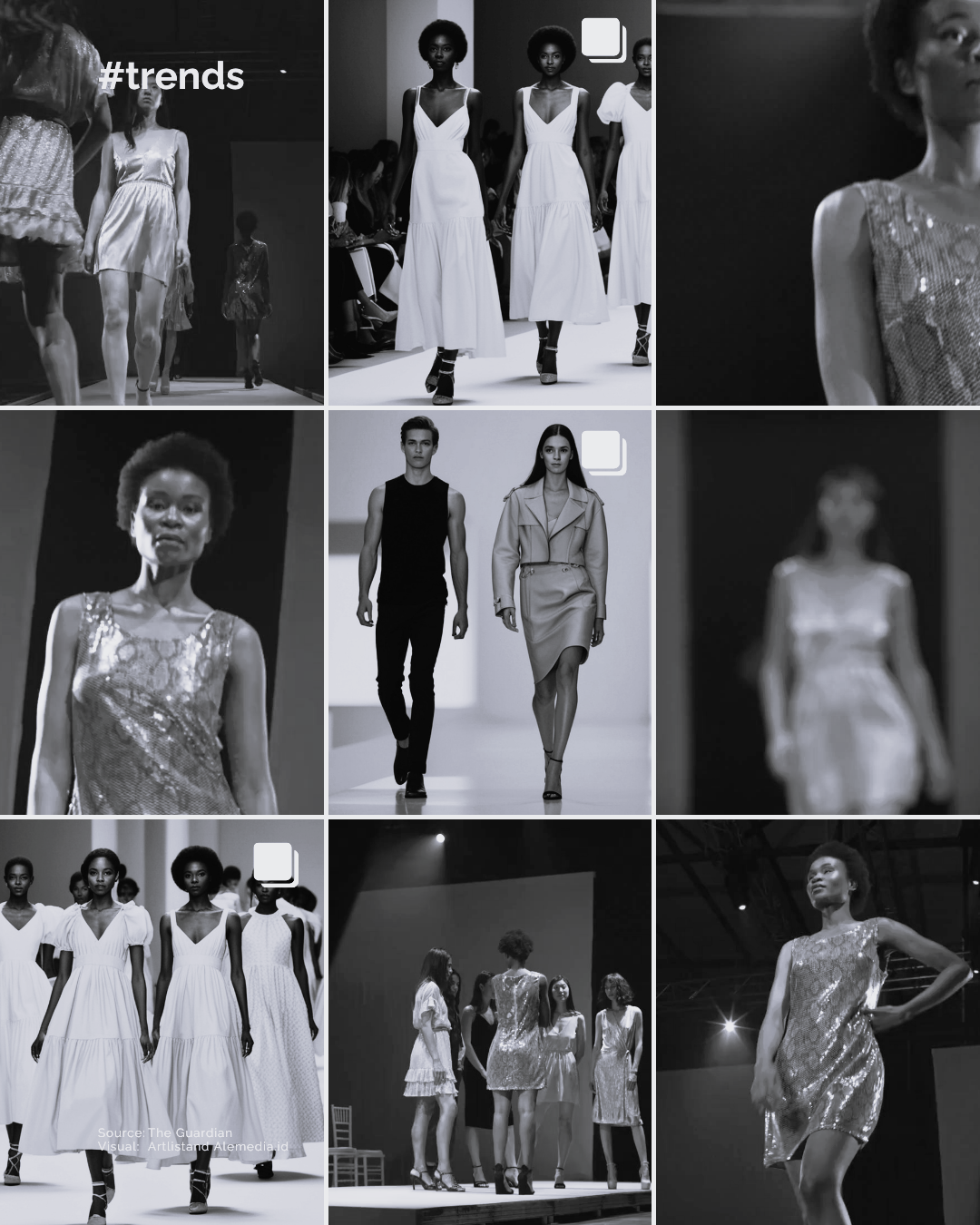
Fashion Week Watch Parties Fill 2,000 Seats
Elias Medini, known online as Lyas, has turned rejected fashion week tickets into sold-out watch parties. 2,000 people gathered at a Paris theatre to watch the Tom Ford show live on screen. What started as 20 friends and a borrowed TV, now draws crowds that spill into the street, with backing from Casio, L'Oréal and MAC. When the audience outside is louder than the one inside, who is fashion week actually for?
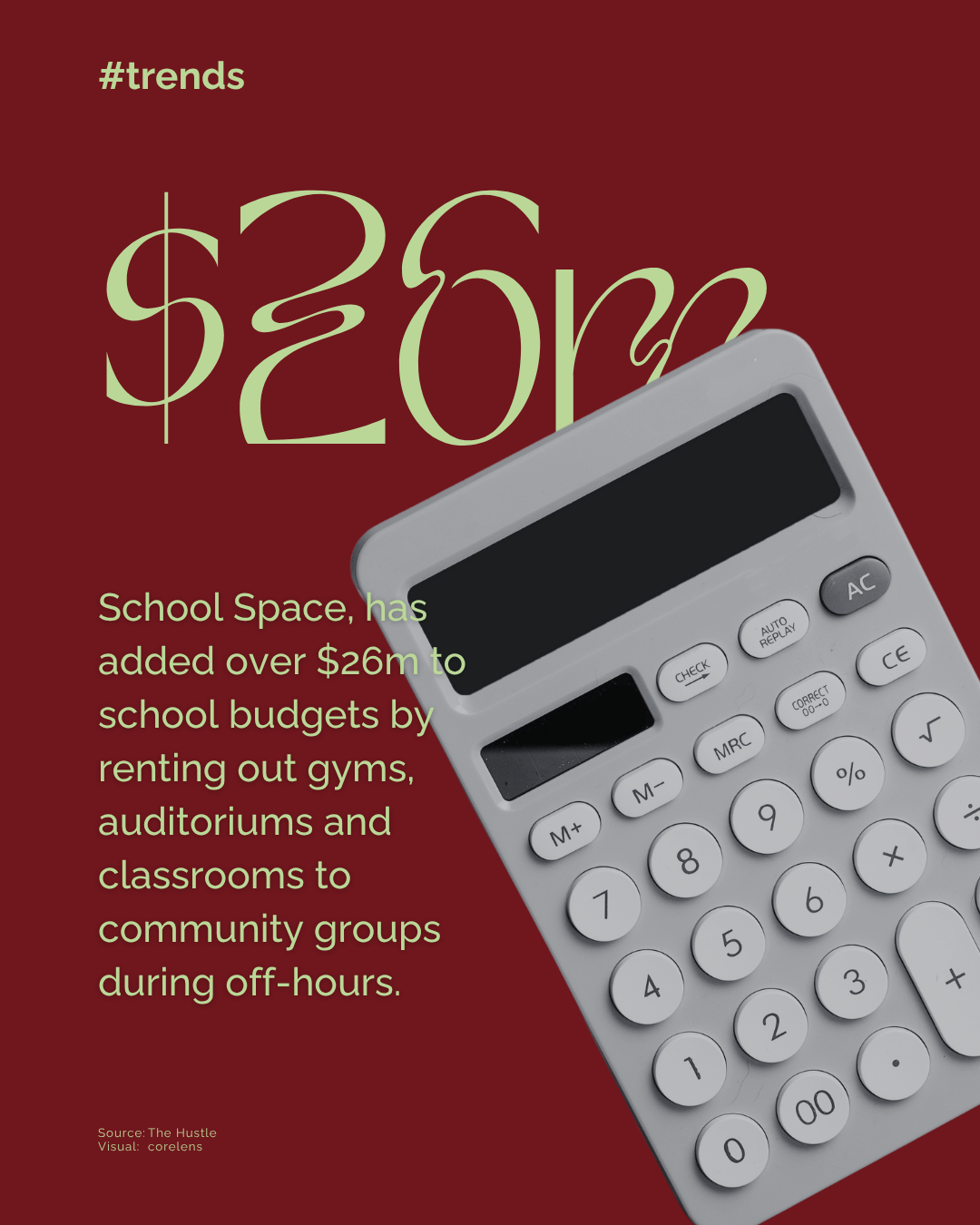
Schools Are Renting Out Empty Buildings to Fund Themselves
School Space, a UK platform often described as an Airbnb for schools, has added over $26m to school budgets by renting out gyms, auditoriums and classrooms to community groups during off-hours, with schools netting close to $150k a year on average. It's a direct response to structural underfunding: 74% of UK schools have faced budget cuts since 2010. When public institutions need a side hustle to stay afloat, what does that say about the systems meant to fund them?
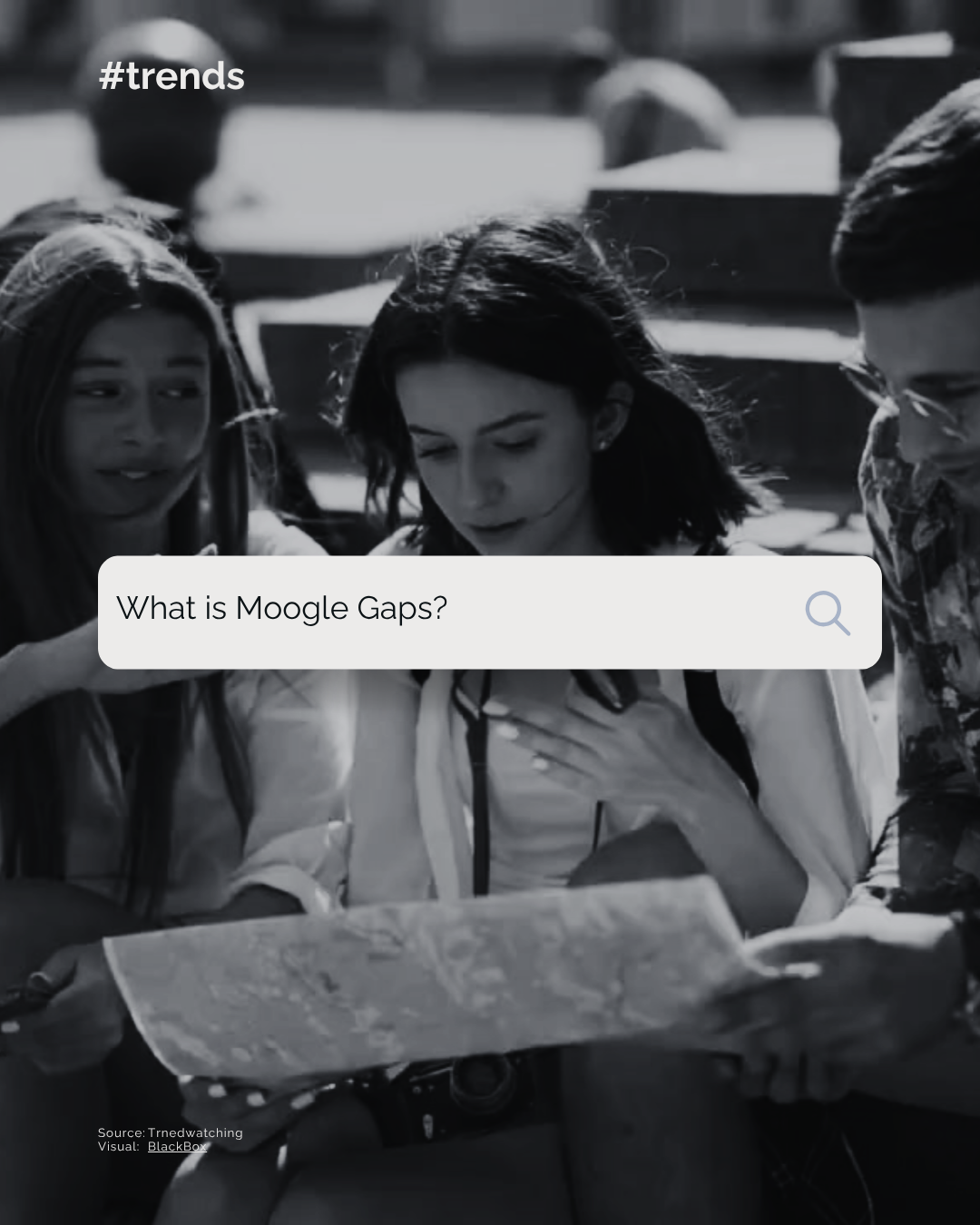
An App That Sends You the Wrong Way on Purpose
Moogle Gaps, built by two Australian creatives, is a navigation app that deliberately misdirects, swapping the fastest route for mystery bars, random restaurants, and places you'd never otherwise find. It's a small product with a pointed cultural argument: that algorithmic efficiency has quietly killed the experience of stumbling across something. When optimisation becomes the default, is deliberately bad directions actually good design?
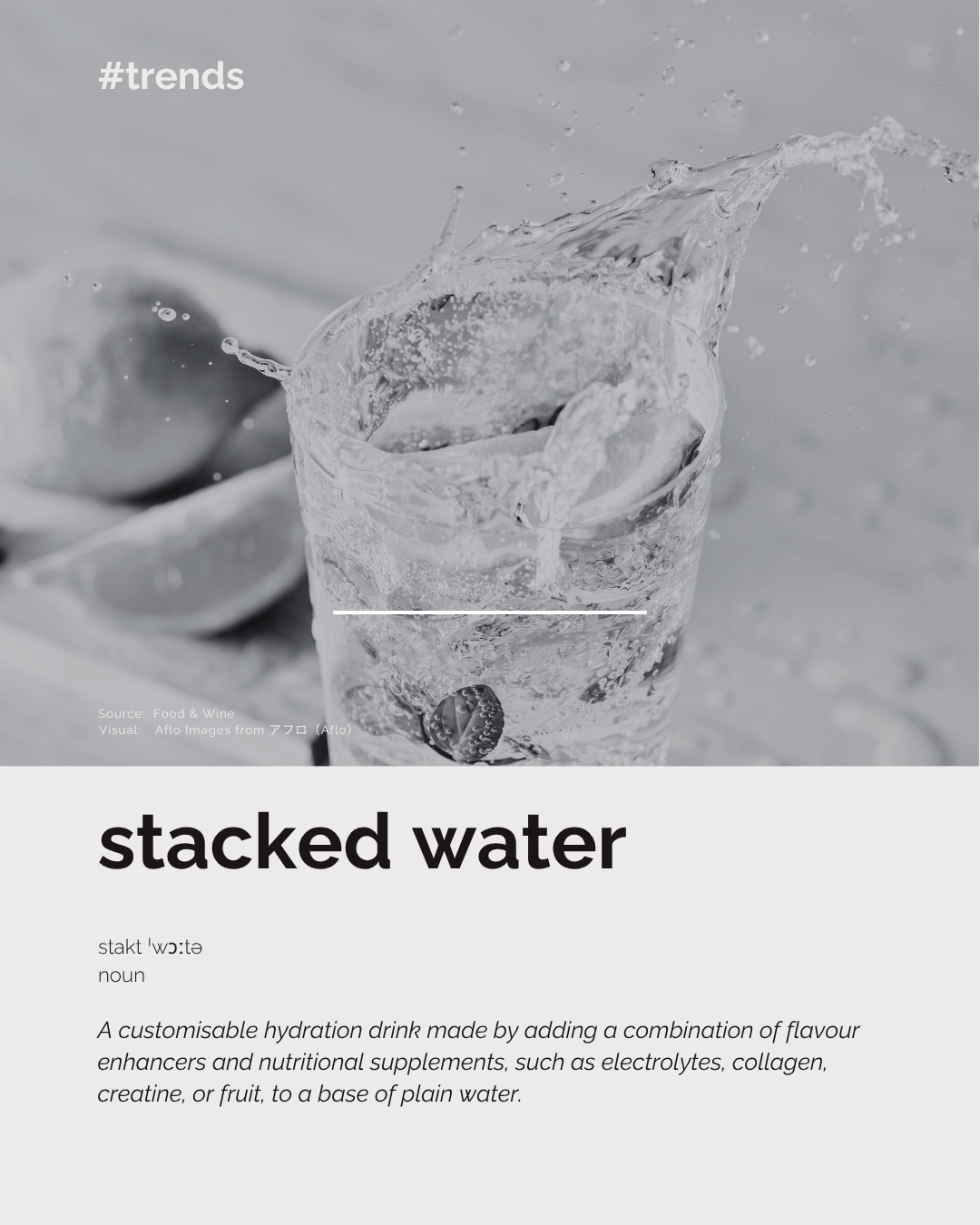
Explainer: Stacked Water
Stacked water (plain water loaded with electrolytes, collagen, creatine, or fruit) is the latest wellness trend turning a basic daily habit into a personalised routine. Nutrition experts say a handful of ingredients, particularly electrolytes and creatine, have genuine backing, but most add-ins are more vibe than science. When optimisation culture reaches the glass on your desk, is the real benefit the supplements, or just drinking more water?
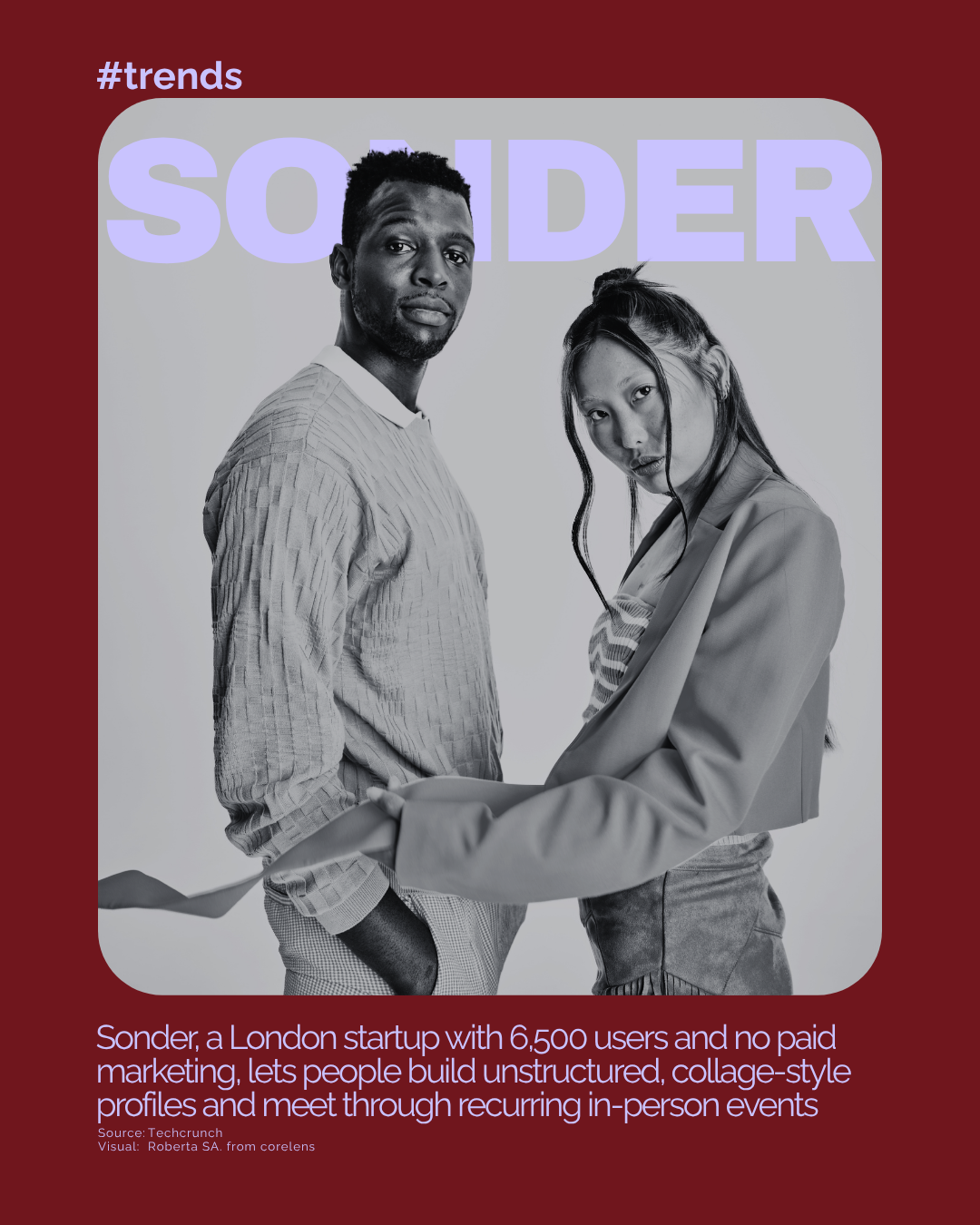
A Dating App Built Around Mood Boards, Not Profiles
Sonder, a London start-up with 6,500 users and no paid marketing, lets people build unstructured, collage-style profiles and meet through recurring in-person events like Speed Drawing nights, deliberately avoiding the CV-style format that's made mainstream dating apps feel like a chore. Its founders won't introduce AI profile generation, arguing that the effort someone puts into a profile signals the effort they'll put into a connection. When authenticity becomes the rarest feature a dating app can offer, what does that say about where the category went wrong?