Trends & Artefacts: mystic outlands edition
In this week’s edition of Trends & Artefacts, we round up the snackable trends, stats and insights from around the world, including:
Pet Collars Now Let Owners Call Their Dogs
Restaurants Are Banning Phones to Rebuild Connection
Murder Mystery Events Go Mainstream
Explainer: Mystic Outlands
Romania's Bottle Return Scheme Collects Eight Billion Containers

Pet Collars Now Let Owners Call Their Dogs
GlocalMe's PetPhone, showcased at MWC 2026, is a cellular collar attachment that lets owners place two-way voice calls to their pets, with on-device AI flagging anxiety or behavioural shifts in real time. At $90, it undercuts most smart collars with cellular connectivity. As pet tech moves from surveillance to interaction, what does it reveal about how we now think about absence, attachment, and care?
Restaurants Are Banning Phones to Rebuild Connection
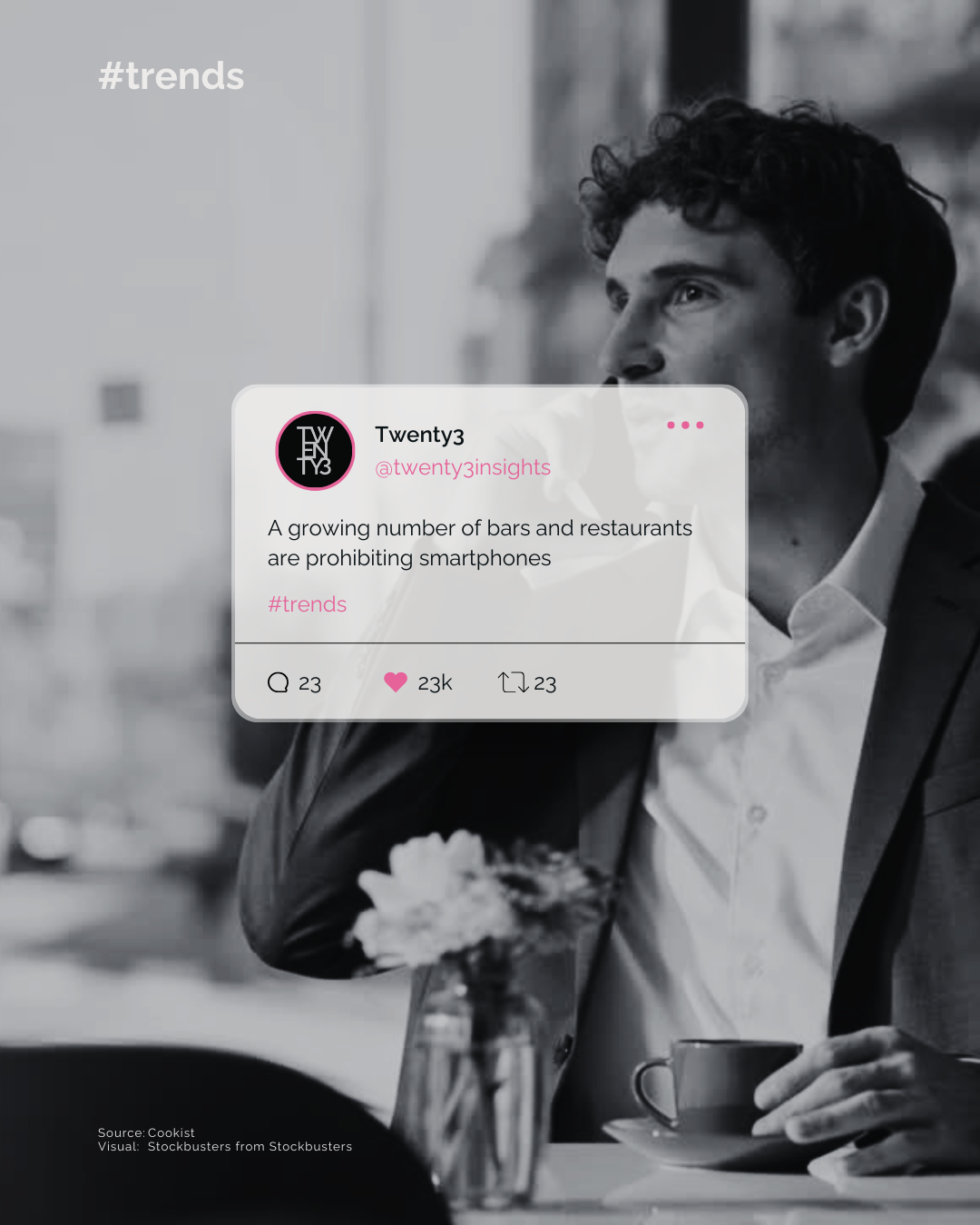
A growing number of bars and restaurants across the US and Europe are prohibiting smartphones during dining, with some sealing devices in locked pouches until the bill arrives. Washington DC's Hush Harbor and Stockholm's Punk Royale are among those betting that enforced presence is itself the draw. When a restaurant has to remove your phone to deliver a genuine experience, what does that say about how hard real connection has become to manufacture?
Murder Mystery Events Go Mainstream
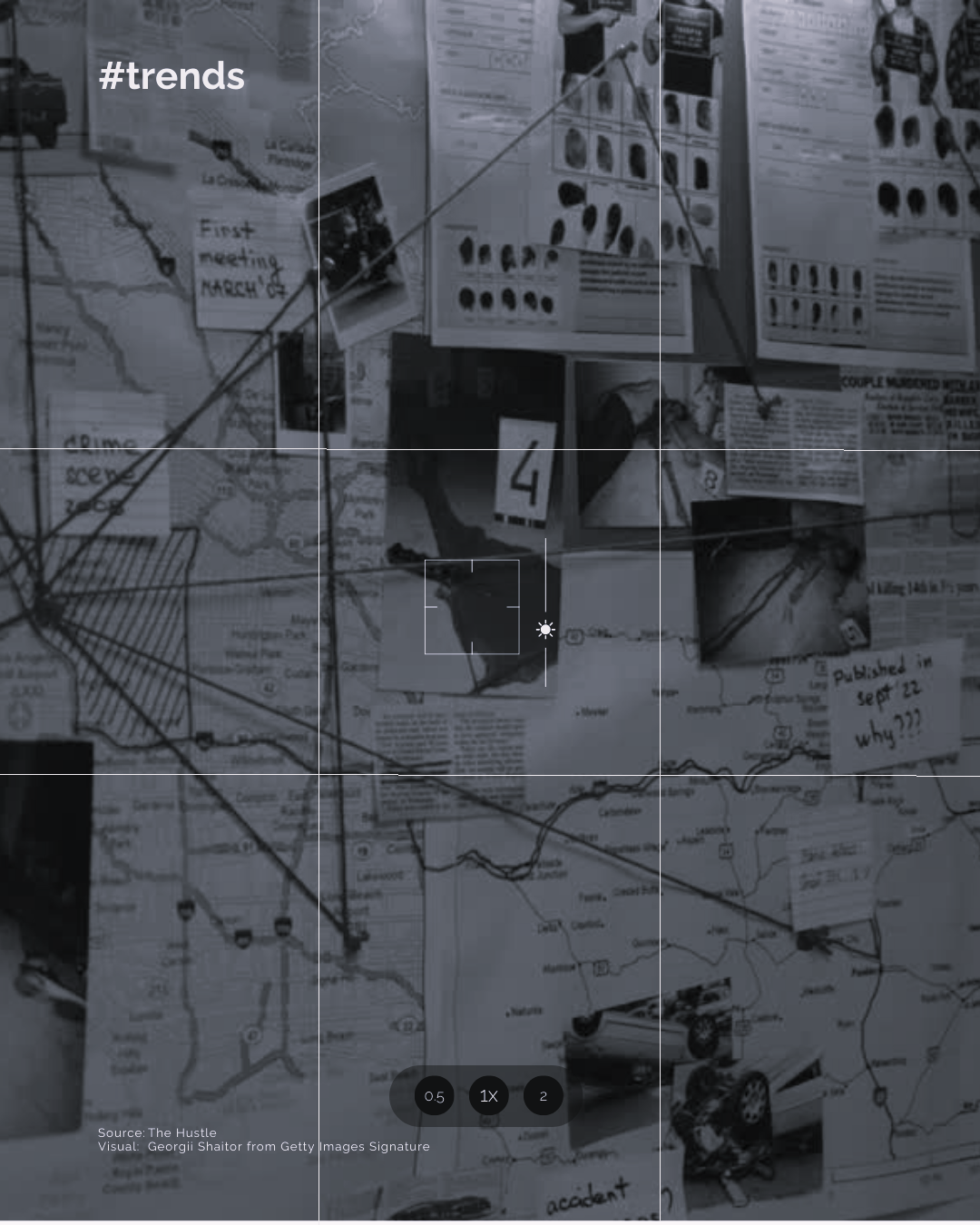
Murder mystery experiences are moving well beyond board games, with immersive whodunit events now spanning $30 hotel weekends to $1m private escapes. Bloomberg reports travel brands like Black Tomato are building White Lotus-inspired getaways for high-spending clients, while China's scripted murder genre hit $2B+ in revenue in 2021. When whodunits becomes a luxury product, what does that tell us about how people want to connect?
Explainer: Mystic Outlands
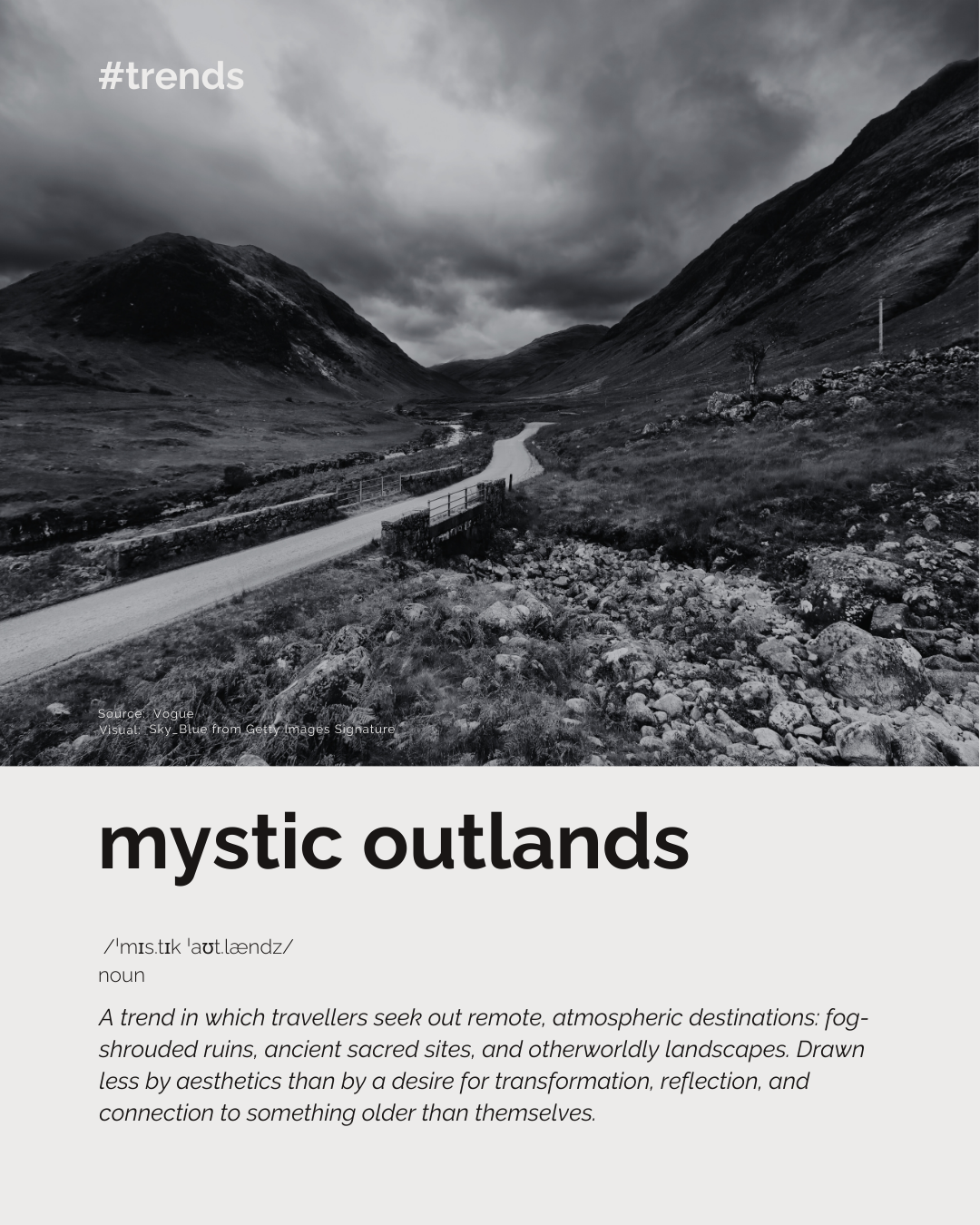
Pinterest Predicts has named "mystic outlands" a travel trend for 2026, pointing to travellers drawn to mist-covered ruins, ancient rituals, and otherworldly landscapes from the Scottish Highlands to Bolivia's salt flats. Experts suggest the appeal is less about aesthetics and more about transformation, a search for meaning and connection to living traditions. When escapism starts pointing inward, what does that tell us about what mainstream travel has stopped offering?
Romania's Bottle Return Scheme Collects Eight Billion Containers
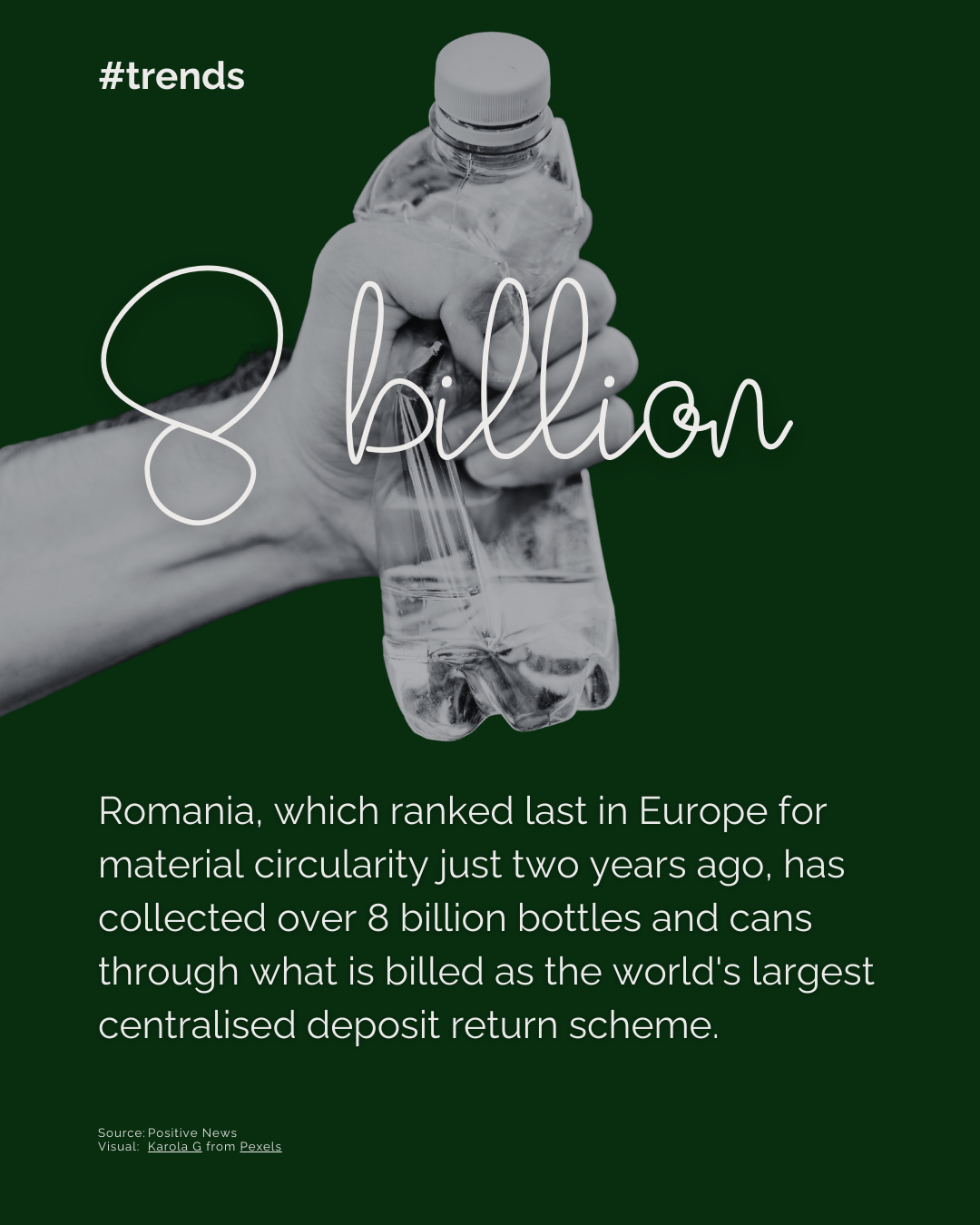
Romania, which ranked last in Europe for material circularity just two years ago, has collected over 8 billion bottles and cans through what is billed as the world's largest centralised deposit return scheme. 90% of Romanians have used it at least once, with full traceability certificates issued for every tonne sold to recyclers. As Poland, Turkey and Bulgaria look to replicate the model, does Romania's rapid turnaround suggest the main barrier to recycling has always been system design rather than public will?