Trends & Artefacts: facial harmony edition
In this week’s edition of Trends & Artefacts, we round up the snackable trends, stats and insights from around the world, including:
UK Food Inflation Falls but Prices Remain High
Local Grocers Hold Trust Edge Over National Chains
Publishers Launch Substack Newsletters to Reach New Audiences
Explainer: facial harmony trend
Bots Drive 28% of Taylor Swift Backlash
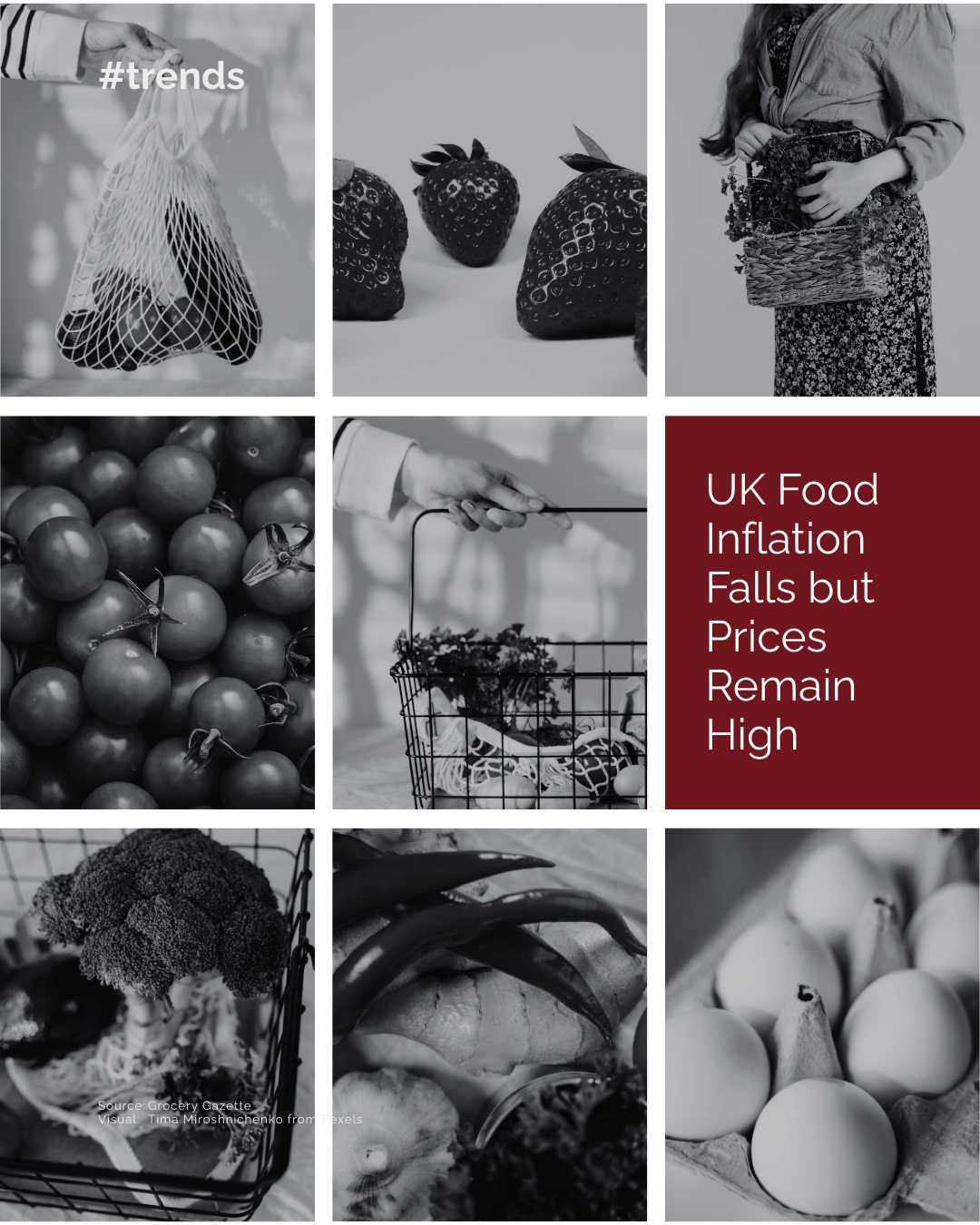
UK Food Inflation Falls but Prices Remain High
UK inflation dropped to 3.2% in November, its lowest in eight months, with falling food prices contributing to the decline, according to the Office for National Statistics. However, food prices remain higher than last year's festive season, with the Food and Drink Federation noting manufacturers face persistent cost pressures despite efforts to reduce prices. When inflation eases but prices don't drop, does relief measure progress or just slow the climb?
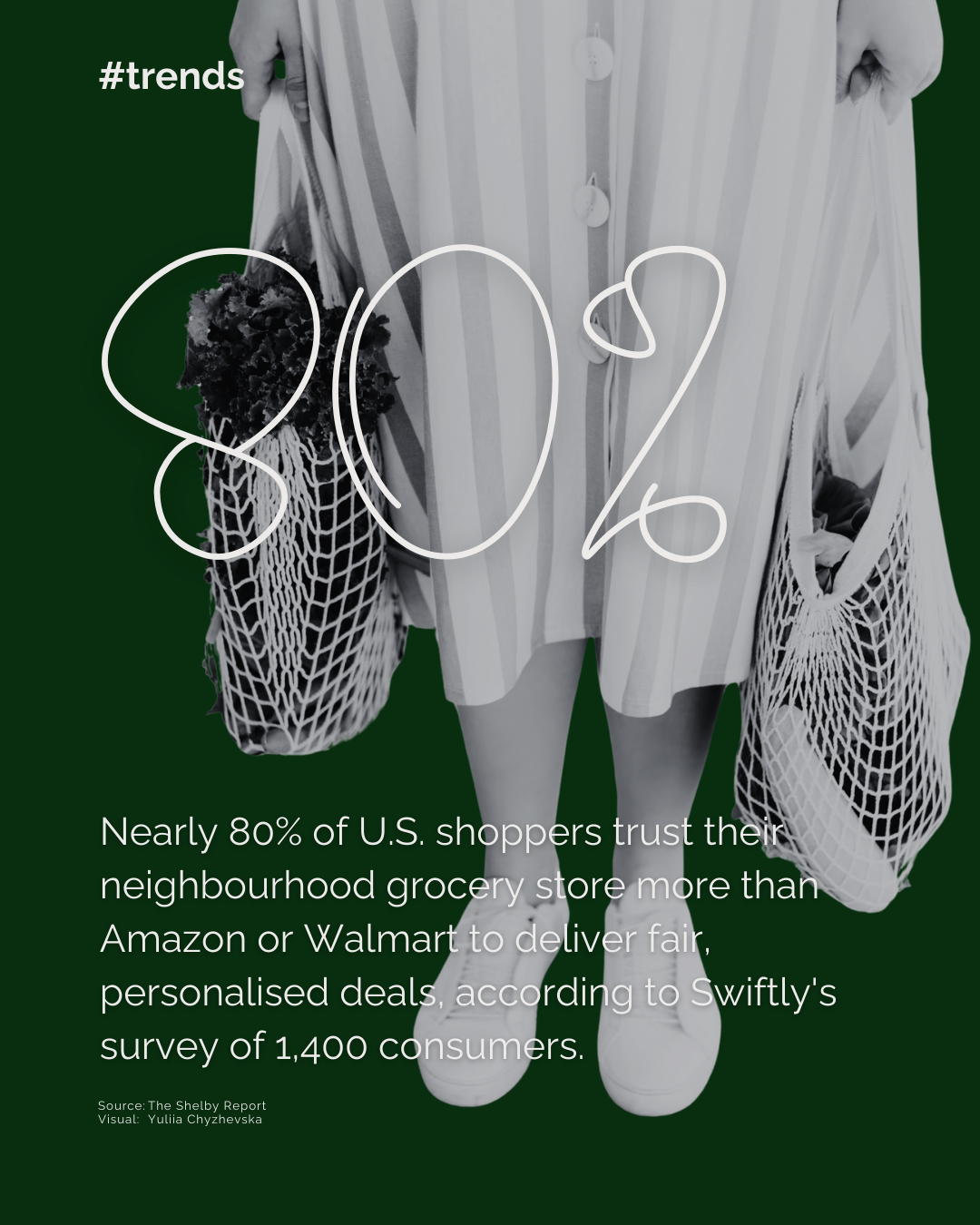
Local Grocers Hold Trust Edge Over National Chains
Nearly 80% of U.S. shoppers trust their neighbourhood grocery store more than Amazon or Walmart to deliver fair, personalised deals, according to Swiftly's survey of 1,400 consumers. The trust advantage comes as 68% struggle with grocery affordability and over half rely on discounts to guide purchases. Can local grocers convert trust into loyalty before digital convenience closes the gap?

Publishers Launch Substack Newsletters to Reach New Audiences
Major publishers including The Economist, Financial Times and New Yorker have launched Substack newsletters this year as search and social traffic declines, with Reach now running 25 newsletters on the platform. Most are free experiments testing niche topics and community building rather than driving traffic back to main sites, mirroring strategies publishers have used on Reddit and LinkedIn. When legacy media follows independent creators to new platforms, does distribution diversify or just fragment?
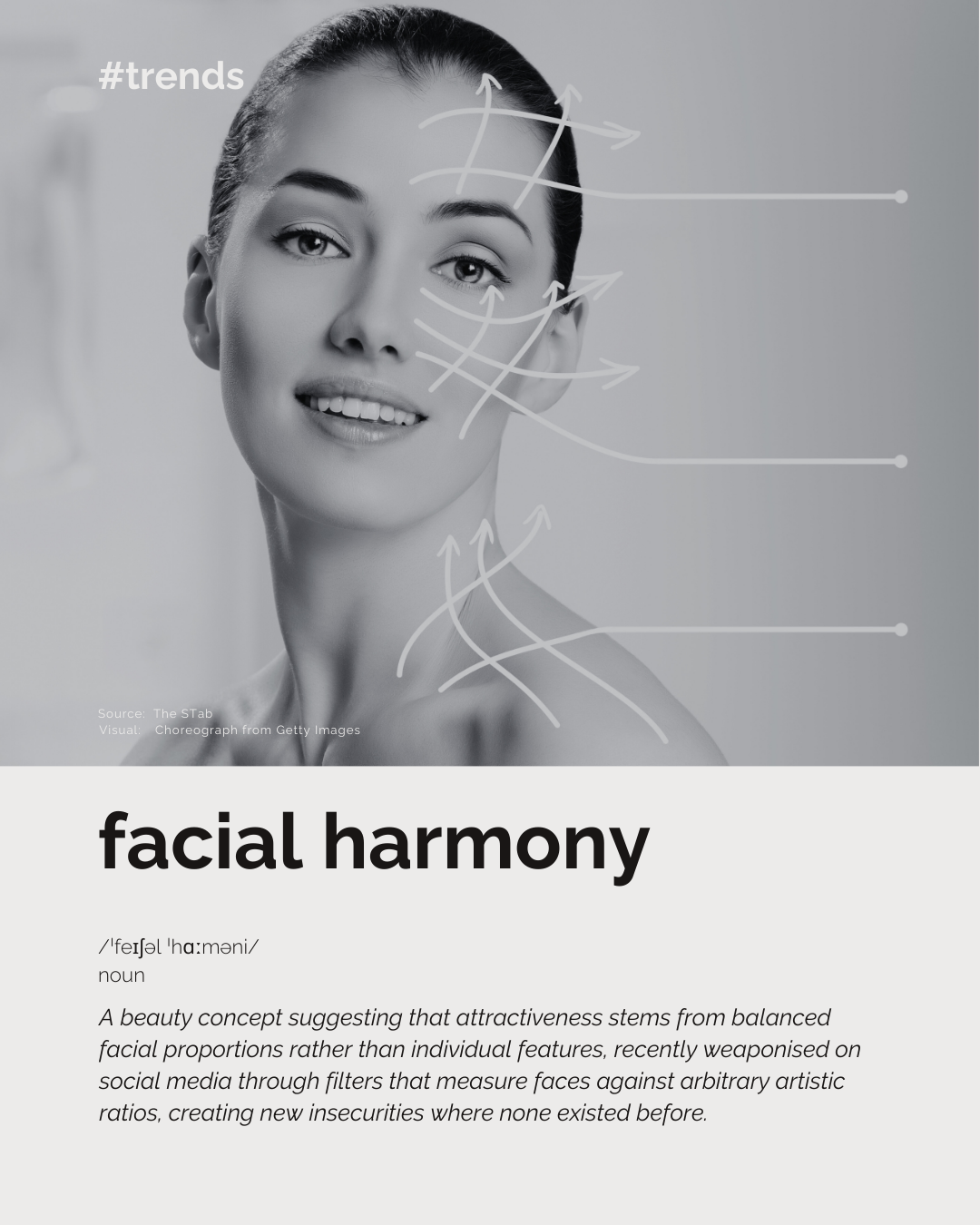
Explainer: facial harmony trend
The "facial harmony" trend has returned to TikTok, with filters dividing faces into thirds based on Renaissance art principles, not science. Users film close-ups of features, then pull back to judge whether they look "balanced" together, while creators promote makeup fixes for perceived flaws like long midfaces. When classical art ratios become self-diagnosis tools, are we measuring beauty or manufacturing insecurity?
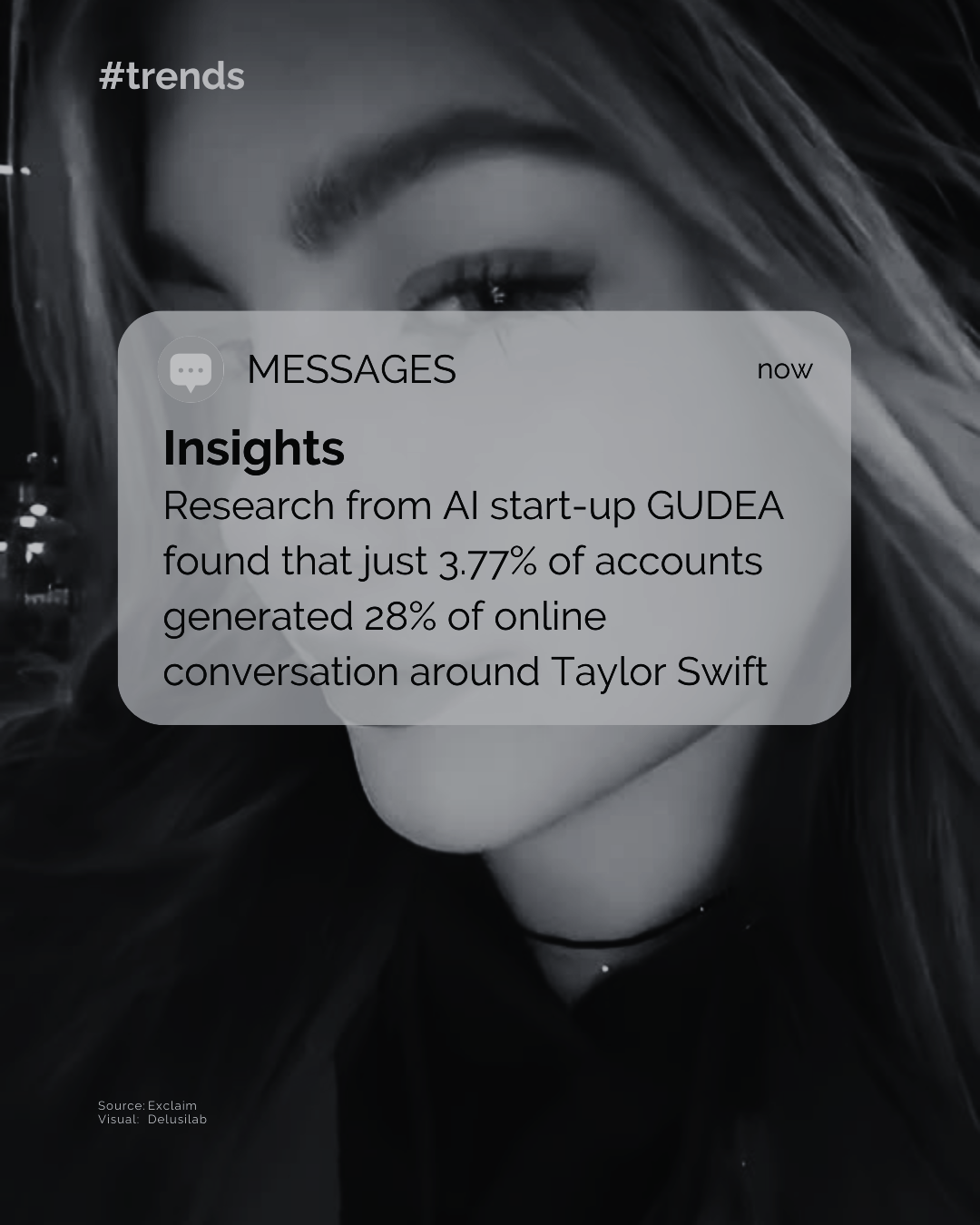
Bots Drive 28% of Taylor Swift Backlash
Research from AI start-up GUDEA found that just 3.77% of accounts generated 28% of online conversation around Taylor Swift and her latest album between 4-18 October, with much of it linking to bot networks. The analysis, published by Rolling Stone, highlights how illegitimate accounts now amplify moral outrage and cancellation attempts across social media. When bots shape public backlash, does online discourse measure genuine sentiment or just automated noise?