Trends & Artefacts: friluftsliv edition
In this week’s edition of Trends & Artefacts, we round up the snackable trends, stats and insights from around the world, including:
Filipino Coffee Shops Serve Cultural Gateway Drinks
Starbucks Tests Predictive AI Ordering
Menstrual Blood Test Detects Endometriosis
Explainer: Friluftsliv
Women Pay for Digital Intimacy in Chinese Romance Games
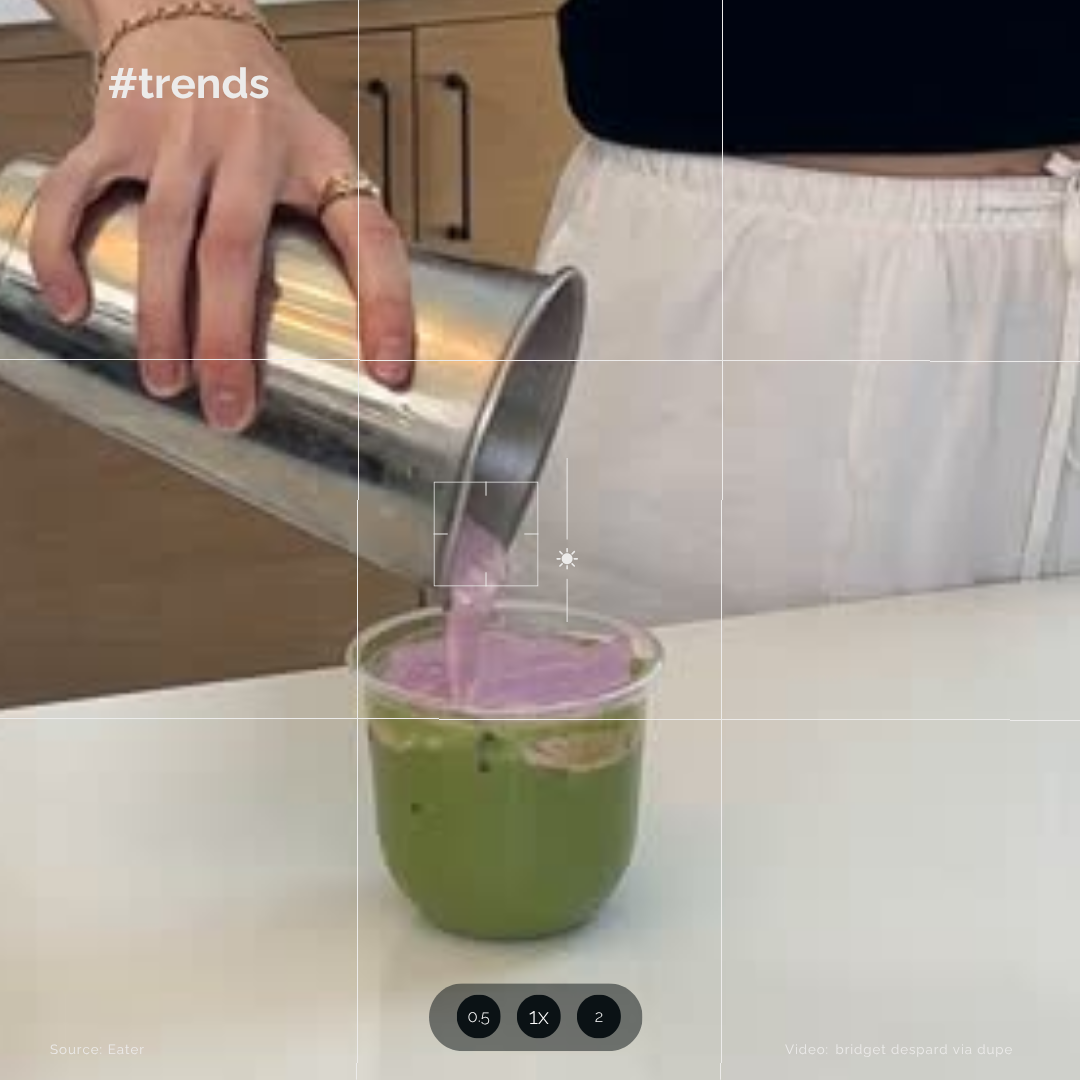
Filipino Coffee Shops Serve Cultural Gateway Drinks
Filipino coffee shops across the US are using specialty drinks flavoured with ube, pandan, calamansi, and jackfruit to introduce younger generations to Philippine cuisine, often sourcing liberica beans directly from Filipino farms. A 2025 Tastewise report found Gen Z interest in Filipino food is highest in coffee, making drinks a low-stakes cultural entry point. If a latte becomes the gateway to an entire cuisine, what else are we learning to taste through convenience?
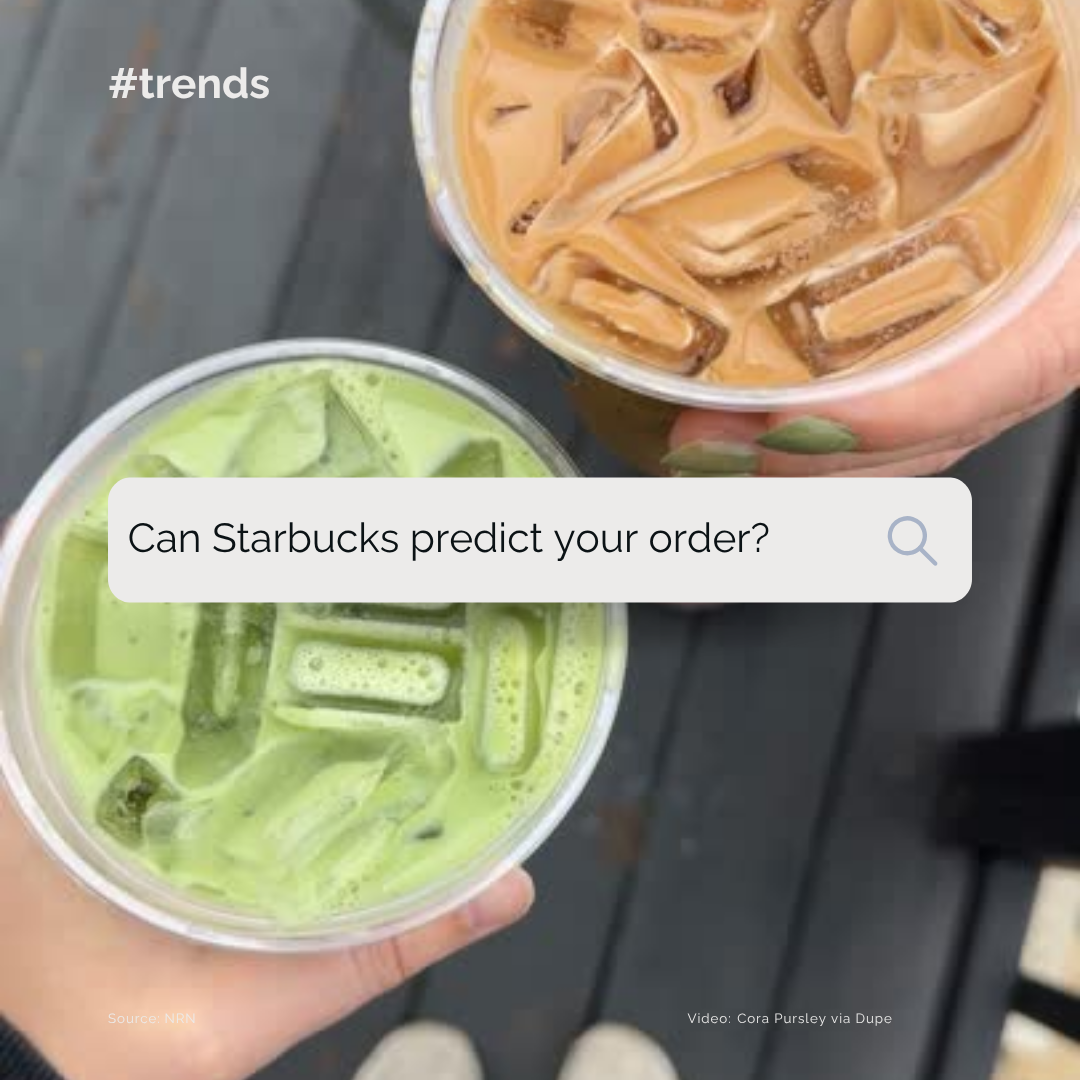
Starbucks Tests Predictive AI Ordering
Starbucks is exploring AI that could predict customer orders and enable voice ordering, building on its Green Dot Assist chatbot for baristas. The company says the technology would enhance human connection, not replace it, optimising inventory and personalisation behind the scenes. How long before convenience and anticipation start to feel indistinguishable from surveillance?
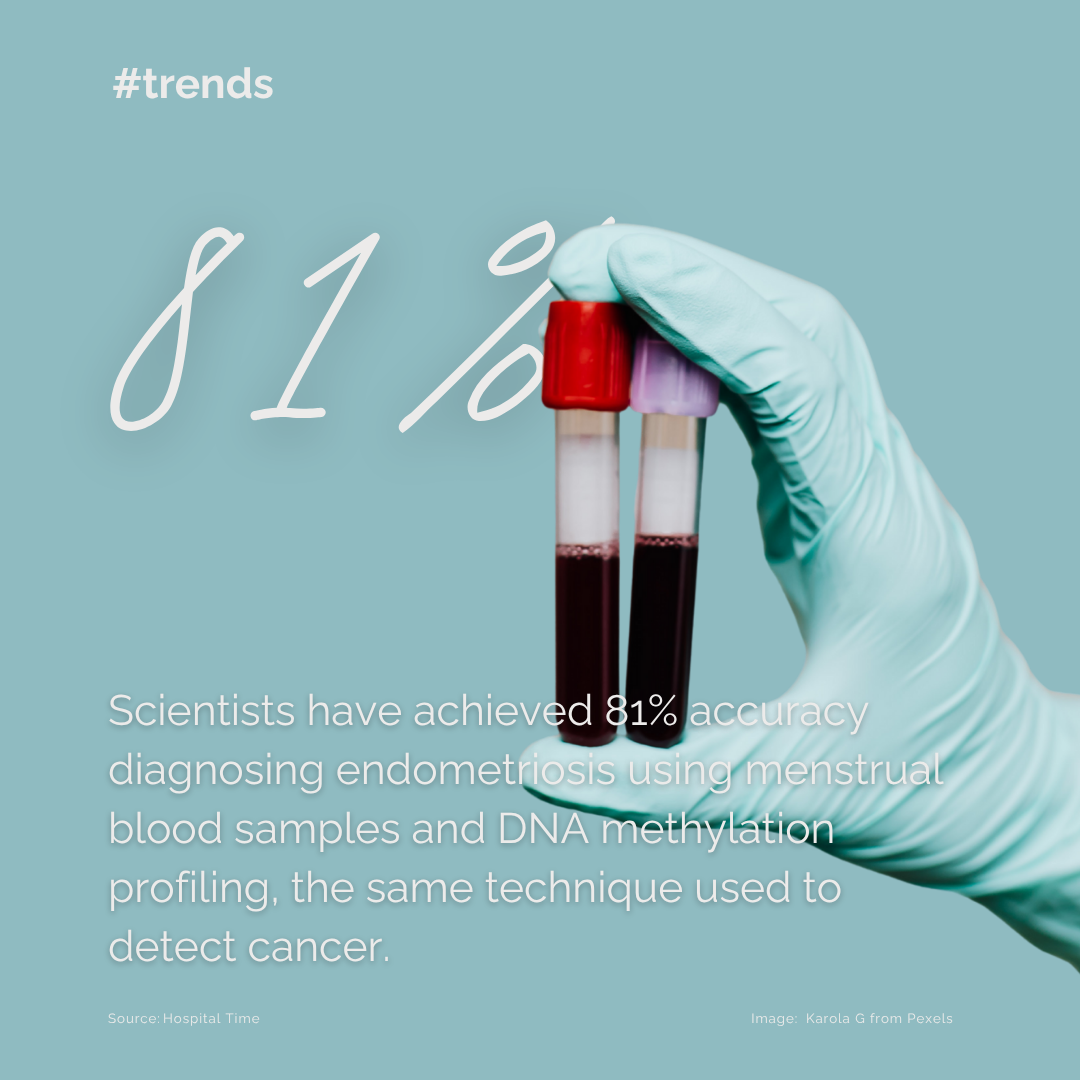
Menstrual Blood Test Detects Endometriosis
Scientists have achieved 81% accuracy diagnosing endometriosis using menstrual blood samples and DNA methylation profiling, the same technique used to detect cancer. It bypasses the current standard, a surgical biopsy that typically happens seven to ten years after symptoms begin. Could a non-invasive test finally close the gap between pain and diagnosis?
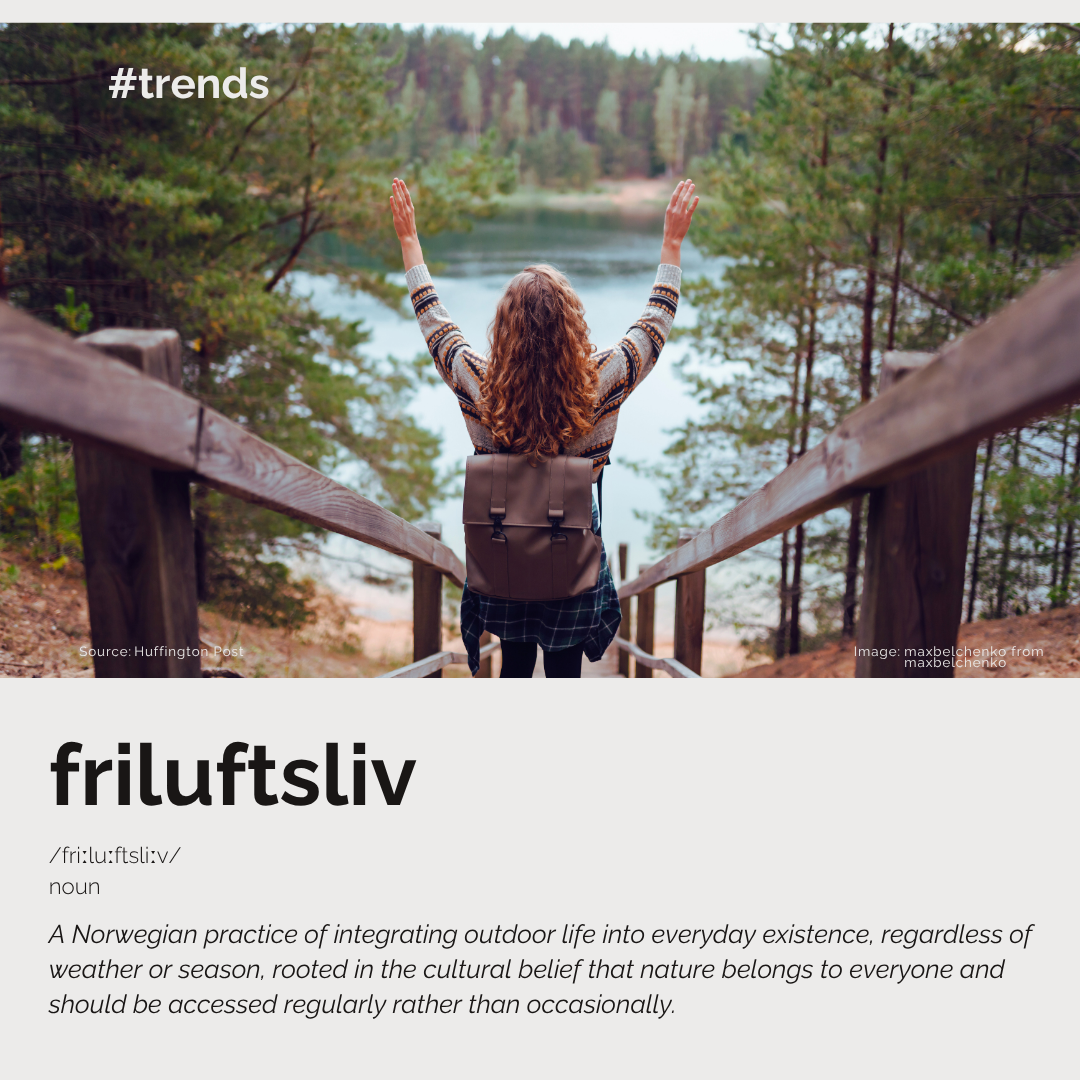
Explainer: Friluftsliv
Friluftsliv, Norway's practice of open-air living, treats outdoor connection as daily necessity rather than weekend hobby. It's backed by coursework, protected land access laws, and a cultural belief that nature belongs to everyone. When did being outside become something we schedule instead of something we simply do?
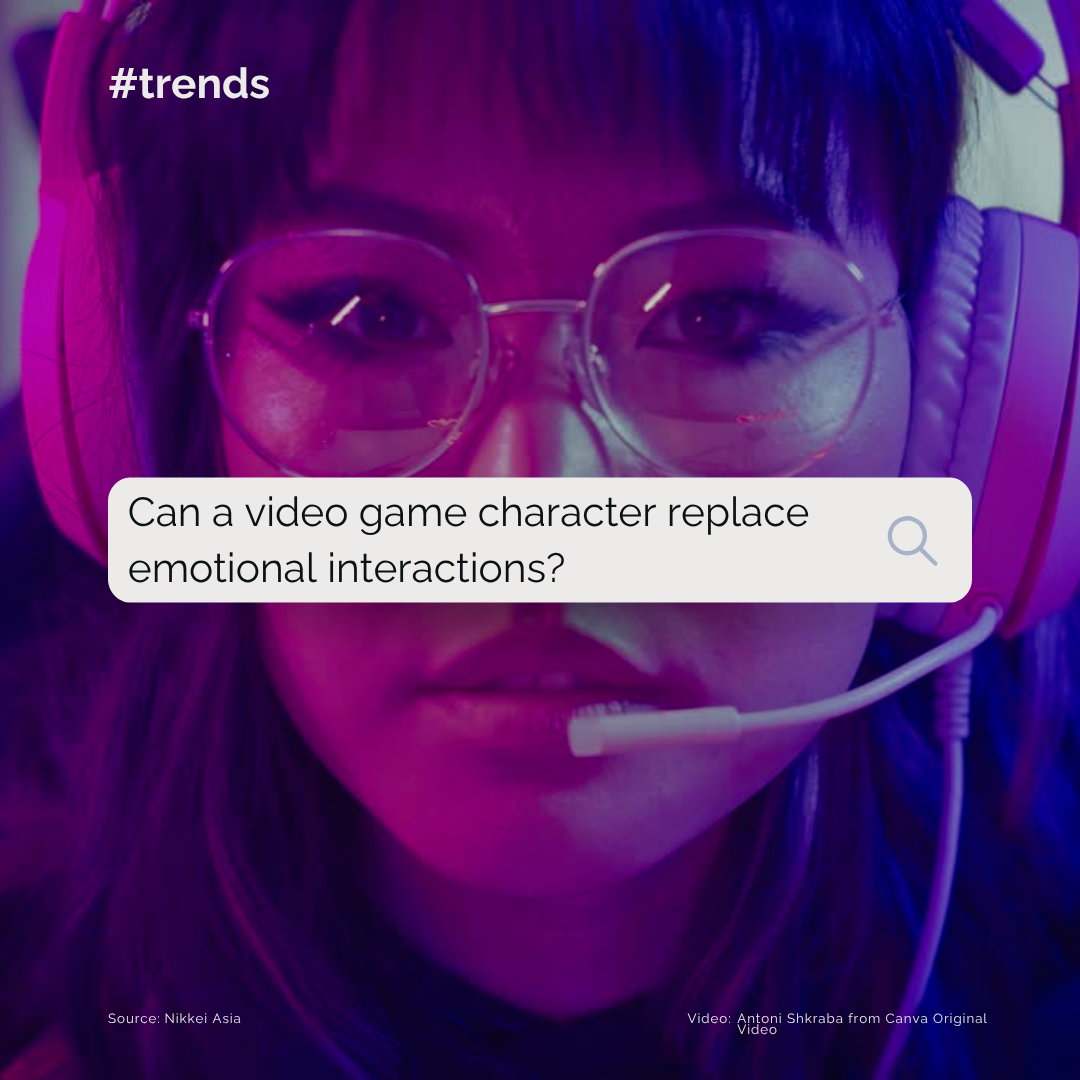
Women Pay for Digital Intimacy in Chinese Romance Games
Can a video game character replace emotional interactions? A Chinese romance game generated nearly USD $400 million in 2024, with players spending thousands on virtual relationships. Women aren't just playing, they're investing in intimacy where traditional structures have failed to deliver. What happens when digital companions become preferred emotional labour?