Trend Taster: sensory marketing edition
In this week’s edition of the Trend Taster, we round up the snackable trends, stats and insights from around the world, including:
Indian Snacks Are Conquering Western Supermarkets
MIT turns banana peels into coffee cups
New Hope for Inheritable Disease: "Mitochondrial Donation" IVF
Explainer: sensory marketing
Dior turns shopping into fortune telling at Harrods
Indian Snacks Are Conquering Western Supermarkets
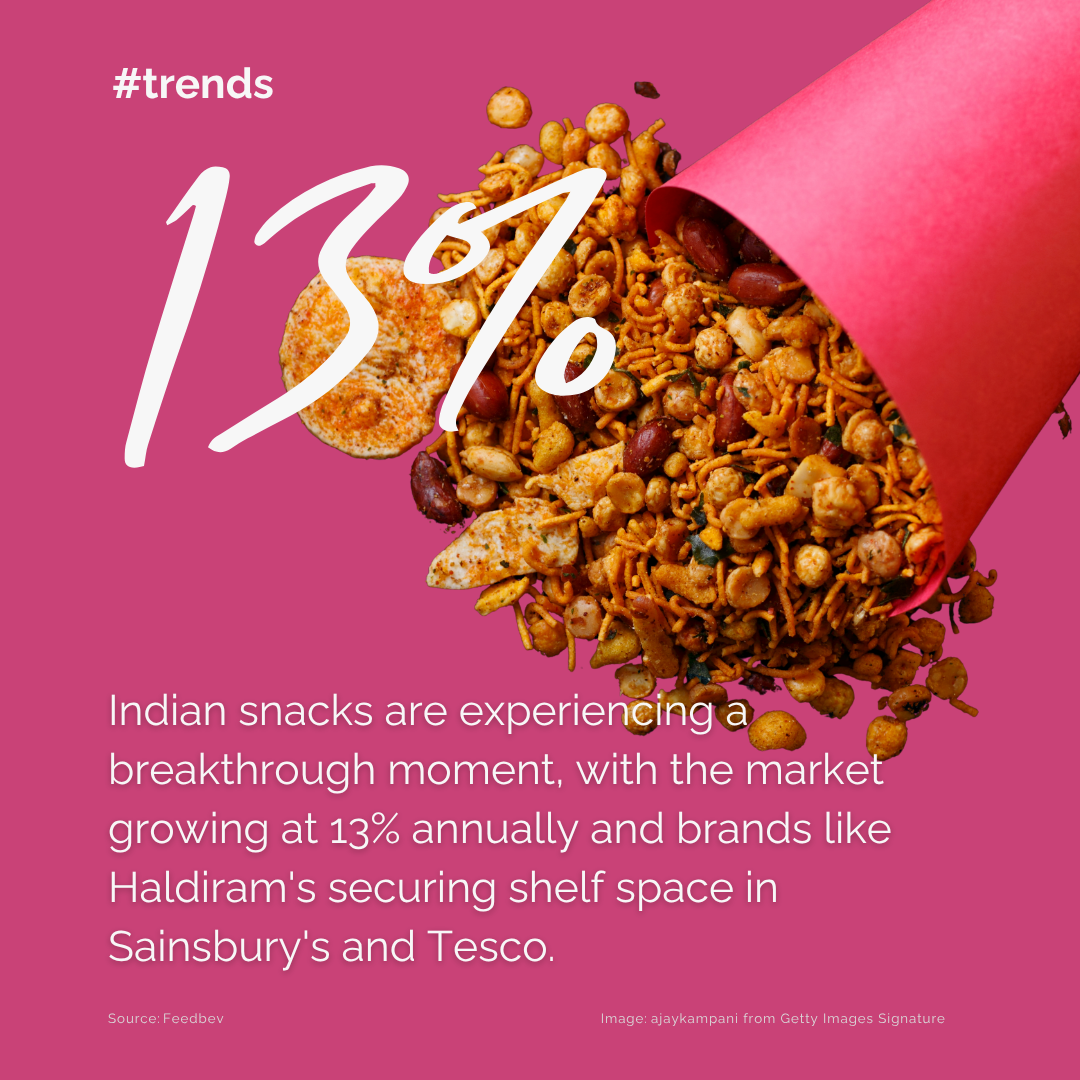
Indian snacks are experiencing a breakthrough moment, with the market growing at 13% annually and brands like Haldiram's securing shelf space in Sainsbury's and Tesco. The shift isn't just about novelty-seeking consumers. It's wellness-driven: millet-based crisps, quinoa namkeens and ragi chips offer authentic flavours with better nutrition profiles than traditional Western snacks. Social media exposure and increased travel have accelerated cultural curiosity, but the real driver is health-conscious snacking. Indian manufacturers have accidentally created the perfect storm: traditional recipes that happen to tick modern dietary boxes.
MIT turns banana peels into coffee cups
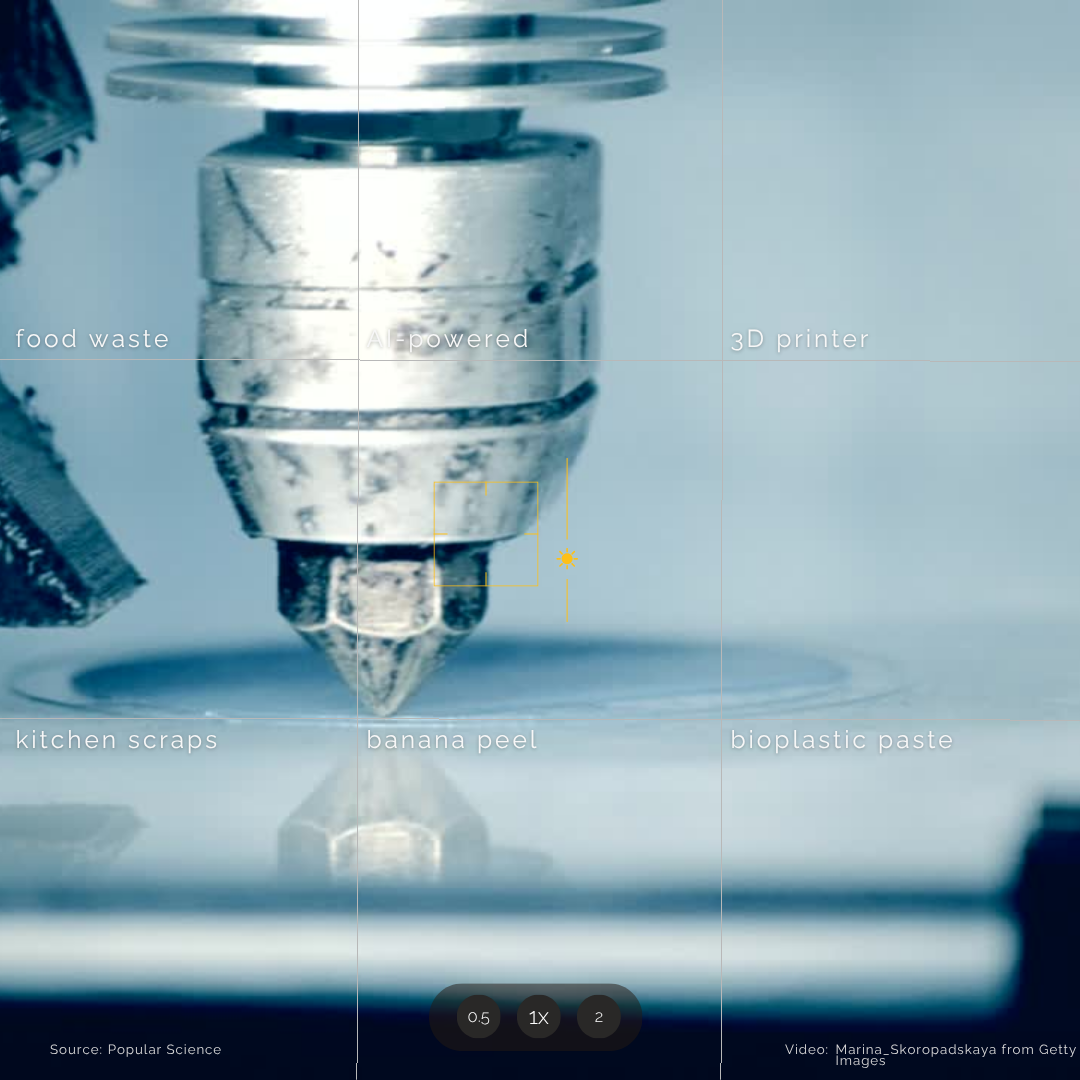
America generates 66 million tons of food waste annually, equivalent to 42 coal plants' worth of emissions. MIT researchers just cracked a different approach: an AI-powered 3D printer that transforms kitchen scraps into household items. Snap a photo of your banana peel, and the app suggests what it could become - coasters, cups, utensils. The device converts waste into bioplastic paste, then prints your chosen object with one button press. It's moving beyond traditional recycling toward hyper-local circular economies where waste becomes raw material at home.
New Hope for Inheritable Disease: "Mitochondrial Donation" IVF
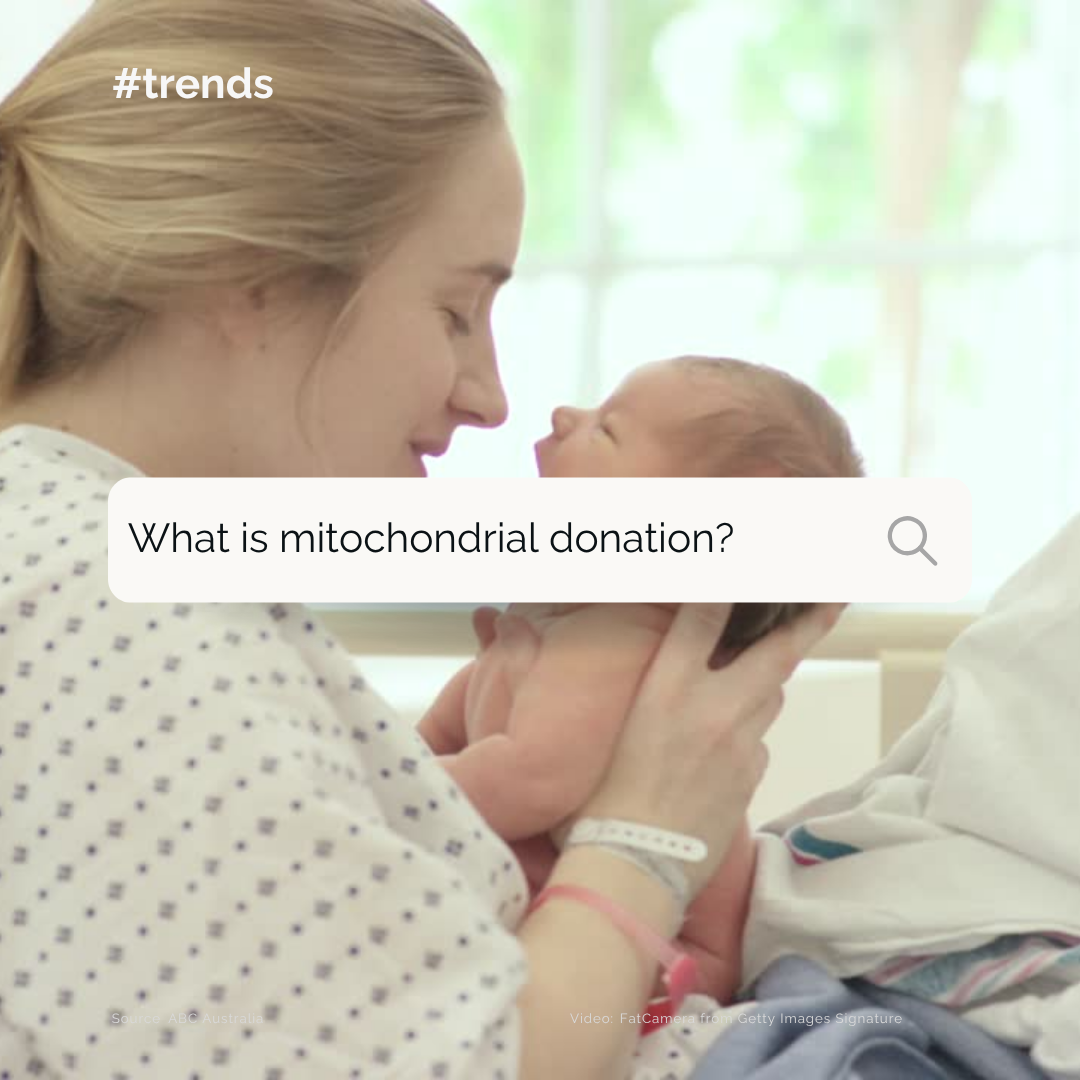
In a groundbreaking medical advancement, researchers in the UK have announced the successful birth of eight babies using an IVF technique known as mitochondrial donation. This pioneering method replaces a mother's disease-causing mitochondria with healthy ones from a donor egg, significantly reducing the risk of transmitting severe, often fatal, mitochondrial disease. This isn't "designer baby" territory; it's about preventing illness by ensuring the child inherits healthy mitochondrial DNA while retaining the parents' core genetic material. It’s a powerful example of how scientific innovation can redefine possibilities for families facing genetic challenges.
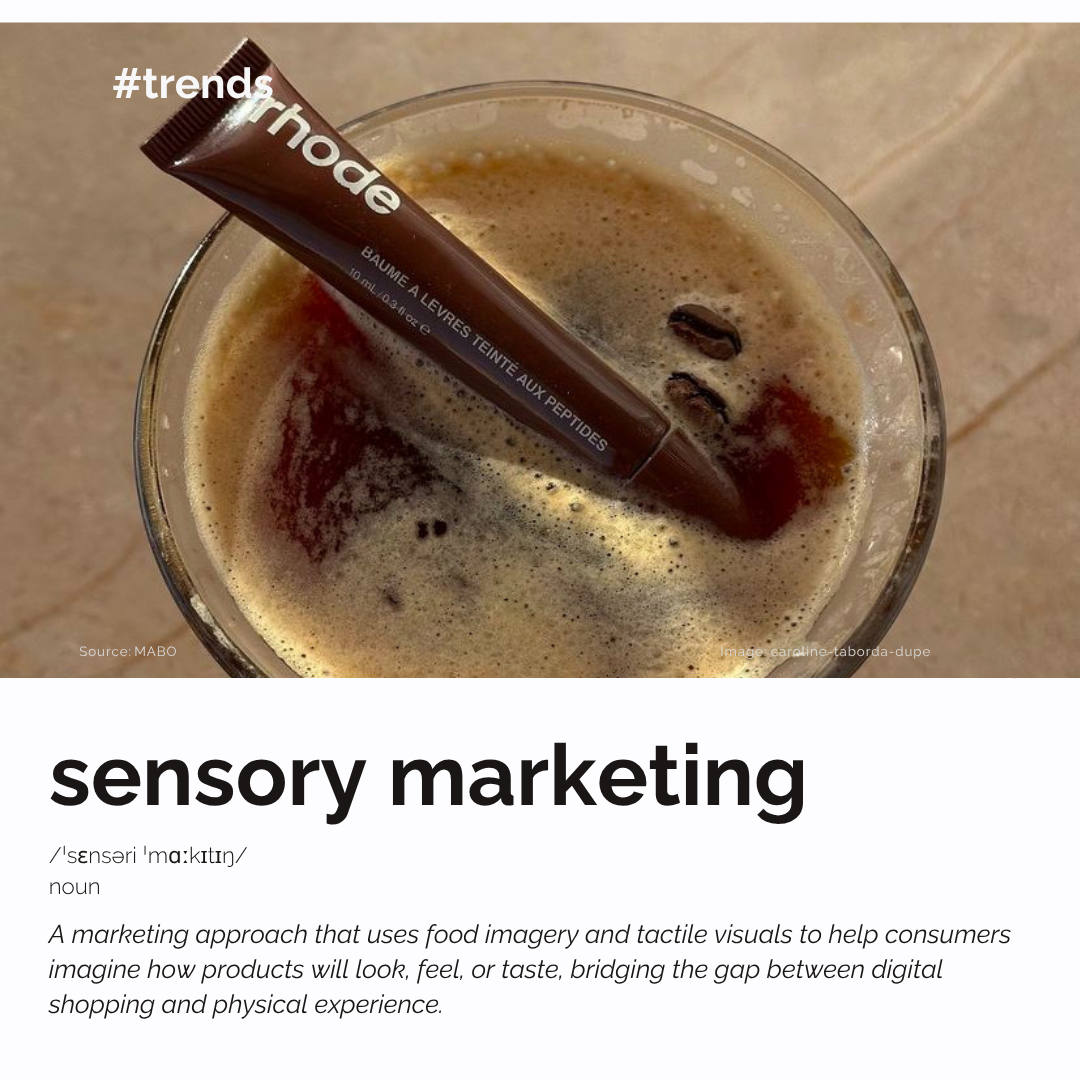
Explainer: sensory marketing
"Sensory marketing" is gaining traction, exemplified by high-fashion houses like Jacquemus and Loewe, and beauty brands like Rhode, using evocative, food-themed visuals. Think stacks of pancakes or juicy strawberries, designed to tap into physical cravings and make online products feel more real. This trend reveals a keen understanding of consumer psychology, especially as 58% of consumers are curbing luxury spending. These campaigns offer "affordable indulgences" that resonate with a desire for comfort without guilt. Human connection, even through a perfectly styled cinnamon bun or a free coffee, is the new currency.
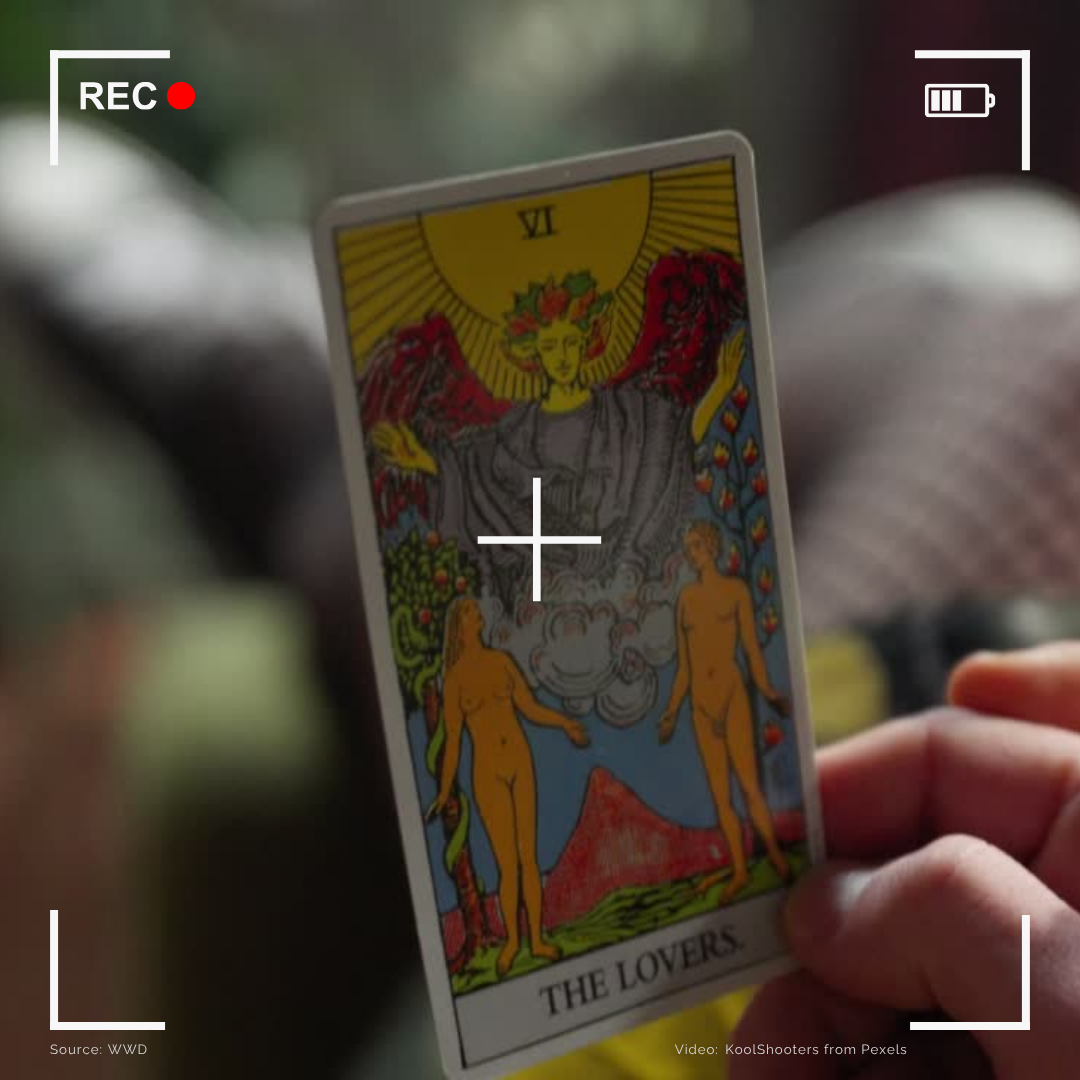
Dior turns shopping into fortune telling at Harrods
Dior just opened a Lucky collection pop-up at Harrods where customers personalise bags with tarot card leather tags, astrological charms, and tiny Eiffel Towers. The collection draws from founder Christian Dior's belief in lucky charms, especially five-point stars. There's even a Snapchat AR mirror for trying on sunglasses virtually. Meanwhile, Dior's unveiling a 5,000-square-foot permanent space with VIP suites and Versailles-style ceramic flooring. It's part of Harrods' multiyear designer floor refurbishment running until 2026. When luxury retail meets mysticism, even your handbag needs its horoscope read.