Trend Taster: tourist syndrome edition
In this week’s edition of the Trend Taster, we round up the snackable trends, stats and insights from around the world, including:
Making Invisible Labour Visible
Gen Z's Booze-Free Lifestyle Changes
You’ve got mail!
Explainer: Tourist Syndrome
Aspiring Luxury Travellers
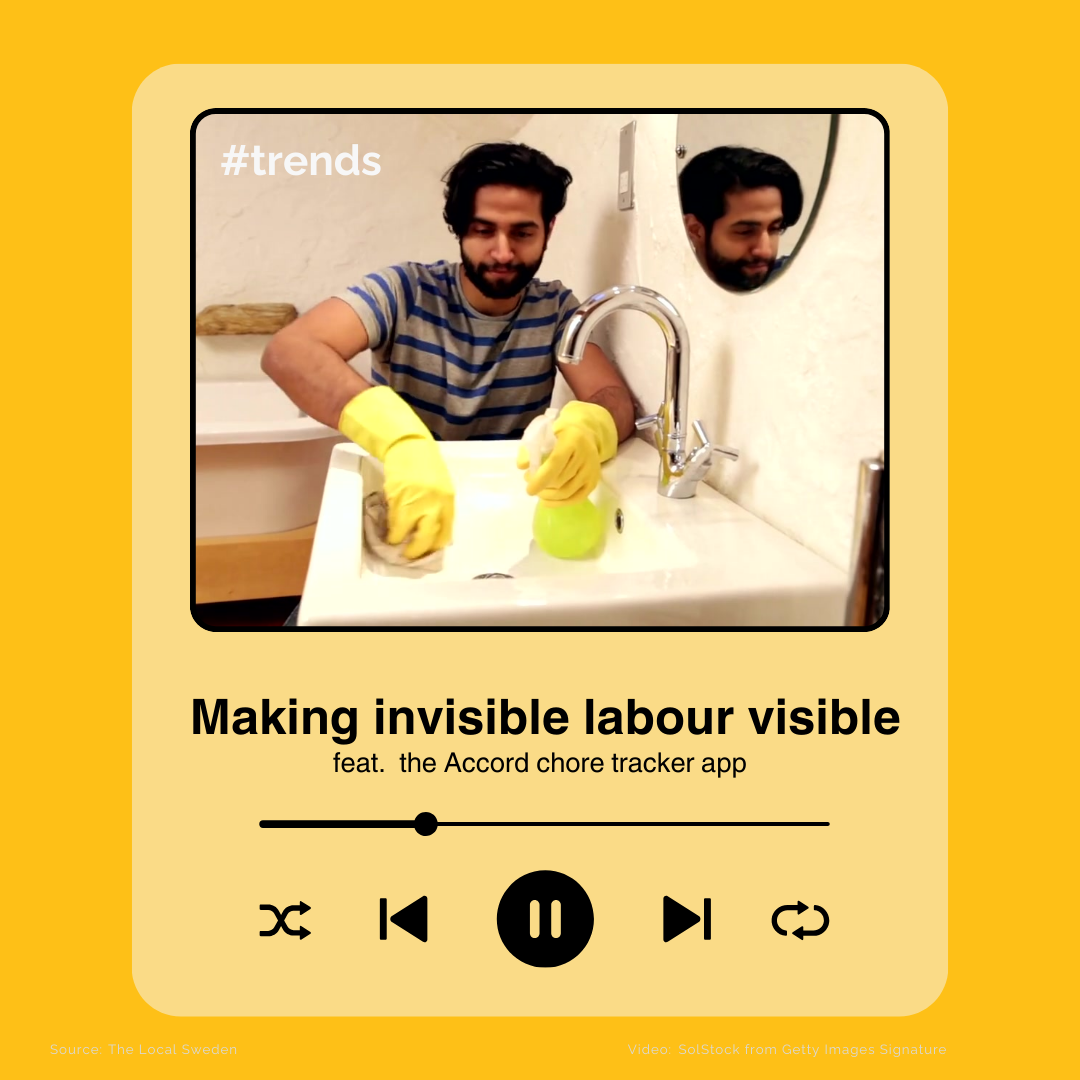
Making Invisible Labour Visible
The Swedish app Accord is turning the invisible labour of housework into trackable data, with more than 10,000 users already testing how tech can tackle domestic inequality. What makes this app different from traditional chore trackers is its focus on making invisible labour visible through real-time task tracking, appreciation features, and family-wide accountability. As younger generations start families, they're bringing start-up-style solutions to age-old domestic challenges, gamifying household management while addressing gender imbalances.
Gen Z's Booze-Free Lifestyle Changes
Recent Gallup data shows drinking among 18 to 34-year-olds has hit record lows, while the global non-alcoholic beverage market has surged to $13 billion. This shift isn't just about sobriety but reflects broader lifestyle changes, with young people trading traditional bars for pottery studios, climbing gyms, and board game cafes. This isn't just about avoiding hangovers; it's a fundamental reimagining of how a generation chooses to spend both their time and money.
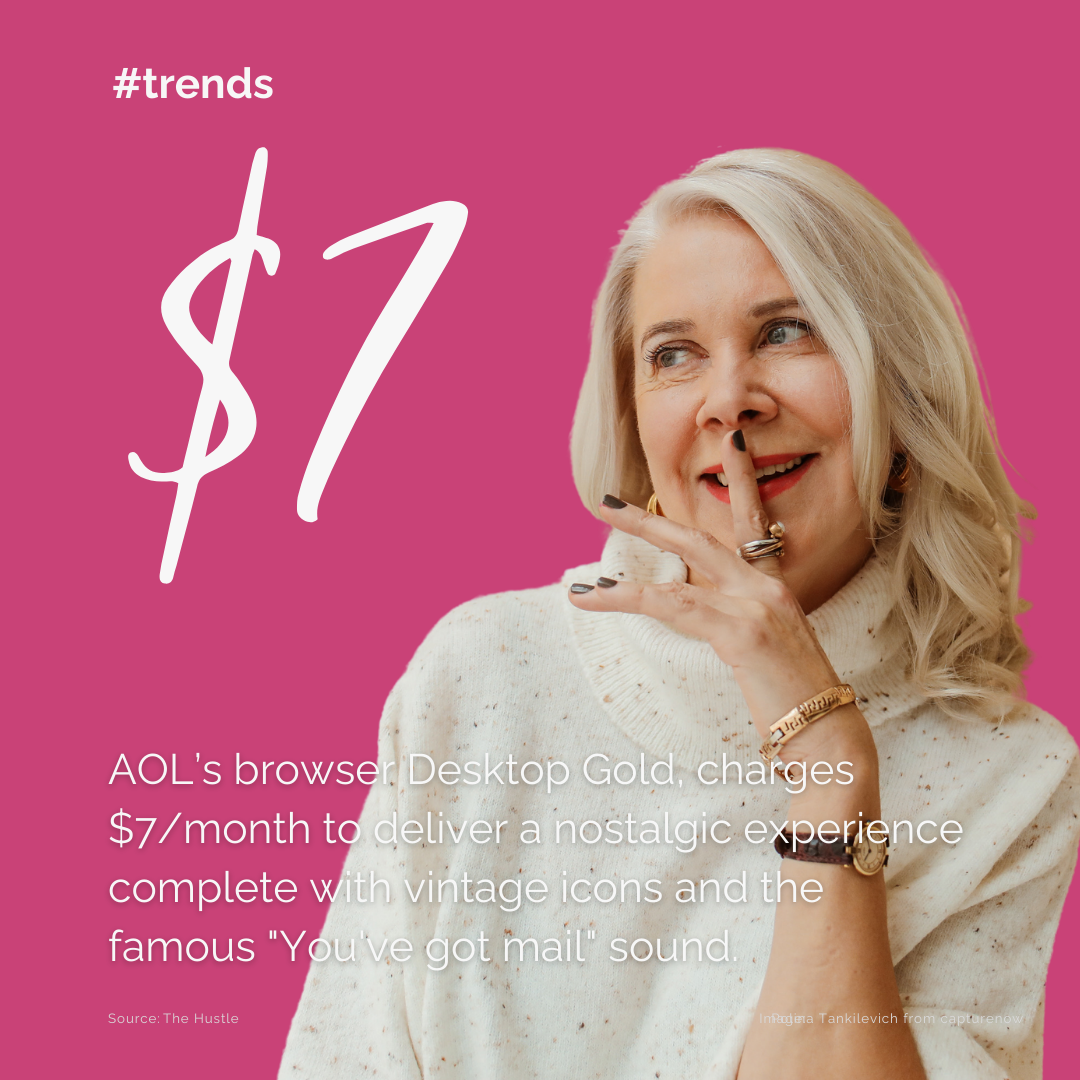
You’ve got mail!
In 2025, AOL is still clinging to life with a product that feels like a time capsule from the '90s internet. Their desktop browser, AOL Desktop Gold, charges $7/month to deliver a nostalgic experience complete with vintage icons and the famous "You've got mail" sound. While AOL once dominated with 18m+ subscribers in 1999, they've seen a dramatic decline: from 2.1m dial-up users in 2015 to just "low thousands" by 2021. The browser seems designed for users who learned the internet through AOL and never wanted to change.
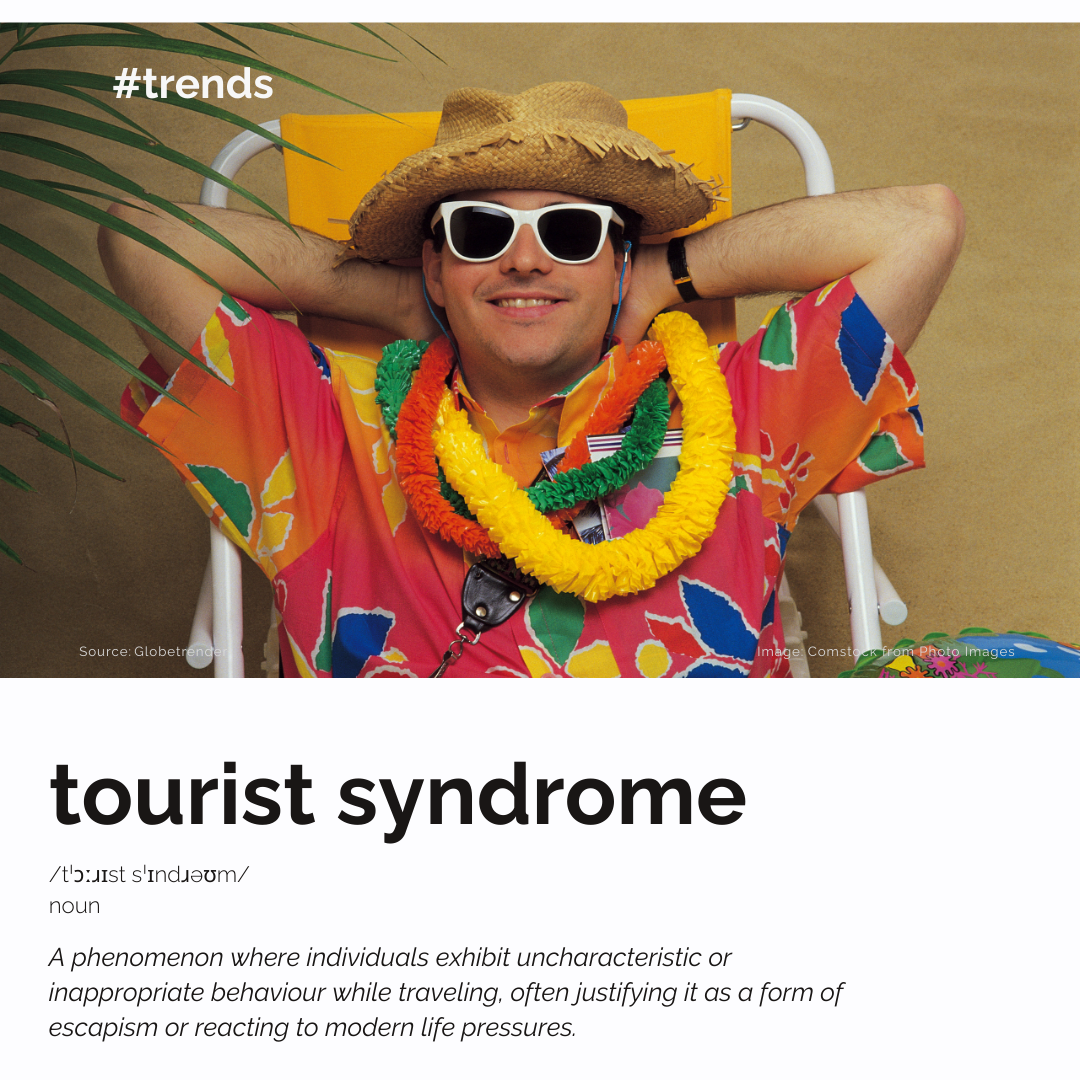
Explainer: Tourist Syndrome
New research reveals an eye-opening "tourist syndrome" sweeping across generations. A study of 1,231 Americans found that 57% admit to acting out of character while traveling, with 43% confessing to breaking laws abroad. Most telling is the generational divide in this behaviour: 66% of Gen Z would claim ignorance of local customs versus just 17% of baby boomers. Despite their own actions, 61% support stricter punishment for tourist misconduct, while 49% blame social media for encouraging worse behaviour abroad. These findings emerge as cities like Copenhagen and Amsterdam implement new measures to combat disruptive tourism.
Aspiring Luxury Travellers
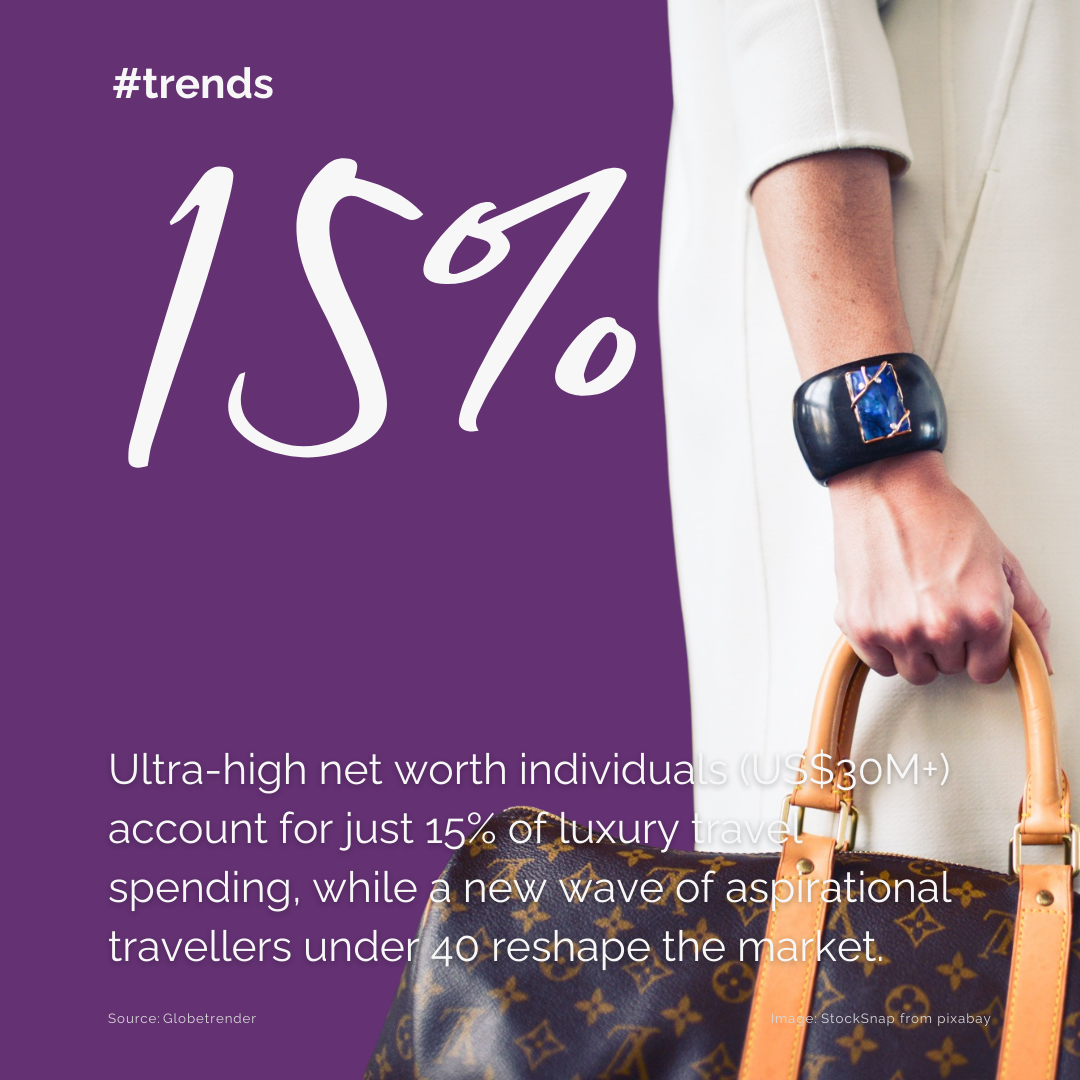
The US$239 billion luxury travel market is witnessing a dramatic shift as non-millionaires now drive over one-third of spending, according to new McKinsey analysis. Ultra-high net worth individuals (US$30M+) account for just 15% of luxury travel spending, while a new wave of aspirational travellers under 40, many from emerging Asian economies, reshape the market. The numbers tell the story: 96% of luxury travellers now use travel agents to maximize premium experiences, 89% of traditional luxury travellers plan to increase spending, and 33% of all consumers rank travel as their third priority for splurging. Even "set-jetting" is trending, with 10% of luxury travellers booking TV and film-inspired trips. This democratization of luxury travel comes as emerging markets like India and Southeast Asia show rapid growth in outbound tourism.